
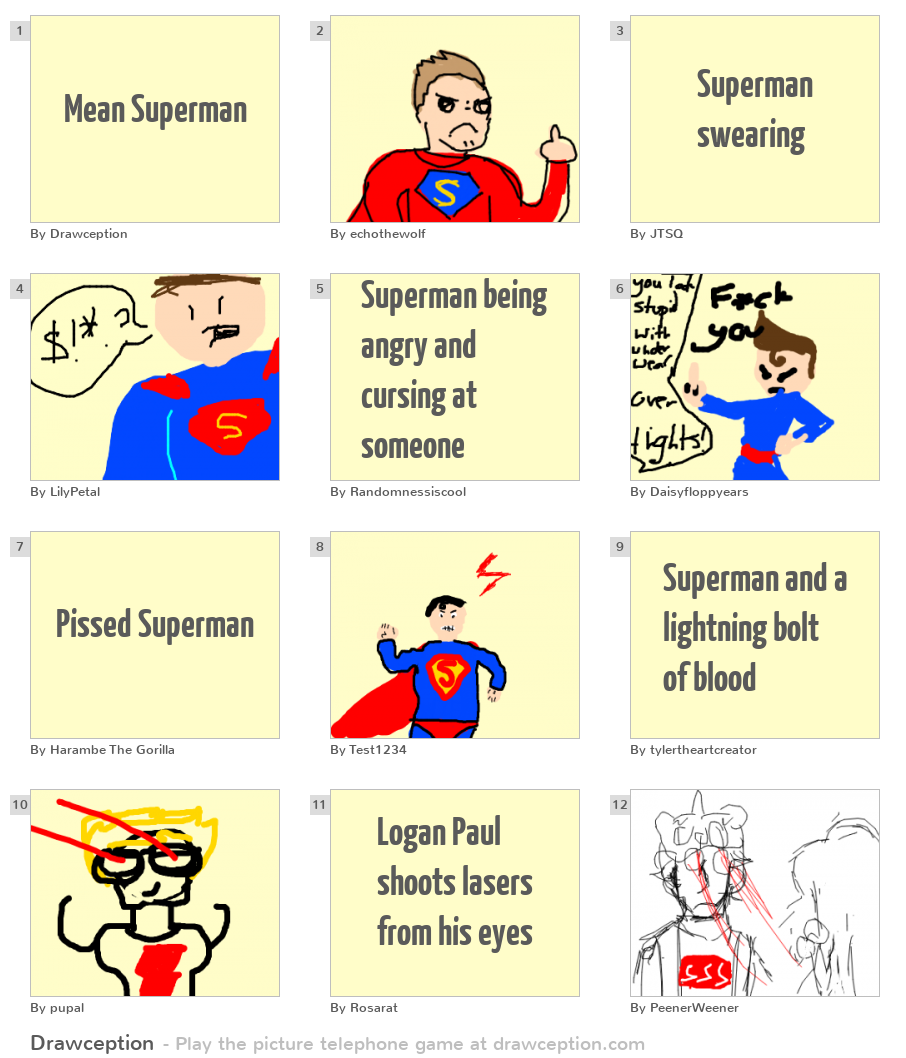
In the modern era of communication, slang words and phrases often emerge from cultural phenomena, reflecting the zeitgeist of society. One such phrase that has grabbed attention on various social media platforms is “Superman That Ho.” Understanding this term requires a dive into its origins, its implications in a contemporary context, and how it resonates with audiences today. This examination promises not just clarity, but also an intriguing shift in perspective regarding the cultural lexicon we navigate daily.
The Genesis of “Superman That Ho”
The phrase took flight in the early 2000s, born from the vibrant world of hip-hop culture. It was popularized by a track from the Charlotte-based rapper, Soulja Boy Tell ‘Em. The song, which encapsulated the exuberance and recklessness of youth, catapulted the term into the mainstream, subsequently embedding it into the fabric of pop culture. At its core, “Superman That Ho” serves as a euphemism that interlaces themes of empowerment, bravado, and casual romantic encounters.
Decoding the Semantics
To fully grasp the essence of “Superman That Ho,” one must dissect its components. “Superman,” as used in this context, signifies exceptionalism or superior capabilities. In comic book lore, Superman embodies strength and resilience, acting as a protector. Conversely, the latter half of the phrase, “That Ho,” reflects a nonchalant attitude towards romantic partners, often diminishing personal connection in favor of an impersonal, transactional vibe.
The juxtaposition of these elements creates a striking dichotomy. On one hand, there’s an elevation of status, while on the other, a stark objectification of individuals, particularly women. This duality invites a critical examination of the phrase as it has been appropriated and variously interpreted across different social strata.
The Cultural Context
The term gained traction at a time when hip-hop was experiencing an evolution, transitioning from raw narratives to more polished productions. As it permeated popular culture, “Superman That Ho” became synonymous with a hedonistic lifestyle often celebrated in rap lyrics. Now, viewers may find themselves ambivalent; the phrase elicits both nostalgia for carefree youth and a recognition of the problematic urban vernacular that can perpetuate misogyny.
Critics argue that such terms shape societal attitudes towards masculinity and femininity. Yet, it is also essential to acknowledge the community’s cultural relevance; for many, it represents empowerment, liberation, and a form of agency within a male-dominated narrative. The reappropriation of such phrases can act as both a form of rebellion and a method for forging identity.
Social Media and Linguistic Evolution
As language is inherently fluid, social media acts as a conduit for the rapid evolution of slang. Platforms like Twitter, TikTok, and Instagram have allowed “Superman That Ho” to be dissected, parodied, and redefined, fostering a conversation around its implications. Memes that juxtapose the phrase with various imagery often either glorify or critique the lifestyle it encapsulates, perpetuating its reach in an inherently ironic manner.
This reach raises questions regarding the accountability of language in the realms of gender and sexuality. Are we, as a society, merely spectators, or do we contribute to the ongoing narrative surrounding phrases that depict objectification? The dialogue surrounding such terms becomes imperative, as it can facilitate societal change and elevate discussions regarding the ethics of slang usage.
Contemporary Resonance and Reinterpretation
Fast forward to today, as cultural enthusiasts dissect this phrase within the broader spectrum of language and identity politics. Listeners may see it flourishing in contexts that defy its original derogatory connotations. The phrase is being reinterpreted as a lens through which young people negotiate their relationships amid evolving gender norms and expectations, effectively turning the phrase into a symbol of irony and self-awareness.
Furthermore, as society becomes increasingly cognizant of the power of words, “Superman That Ho” can also serve as a barometer for change. The conversation surrounding it reveals the growing sensitivity toward language, particularly in depicting empowerment versus objectification. In the current cultural milieu, influencers and creators are using their platforms to challenge the status quo, sparking conversations that ignite critical awareness around the implications of such slang.
The Impact on Relationships
Scratch beneath the surface and one uncovers how “Superman That Ho” resonates through contemporary relationships. The phrase elicits an appeal to a more carefree attitude towards dating, eschewing emotional entanglement for fleeting experiences. But is this fleeting attitude sustainable? For many, it acts as a critique against a generation characterized by digital interactions and casual encounters, searching for deeper connections yet often caught in a cycle of superficiality.
This ongoing dialogue introduces a paradox: as young people romanticize this slang, aligning it with independence and choice, they concurrently challenge the implications of objectification and emotional disengagement. It forces an introspective approach to romantic relations that calls for balance between autonomy and vulnerability.
Conclusion
Delving into “Superman That Ho” unveils not just a phrase, but a tapestry woven with cultural significance, complexity, and varying interpretations. It encapsulates the essence of modern communication, where the evolution of language reflects societal shifts, challenges, and internal conflicts. To understand its connotations is not merely to appreciate the phrase itself; it is to engage in a robust dialogue about the narratives that shape our lives. Whether viewed as a herald of liberation or a catalyst for critique, “Superman That Ho” will undoubtedly continue to resonate, inviting curiosity and introspection in its wake.












