
The number two has an intriguing and multifaceted significance in biblical texts. Famously known for its association with duality, this numeral extends far beyond mere mathematics; it encapsulates notions of unity, division, and relational dynamics. As we delve into the implications of the number two, one might ponder: what challenges might proliferate when two forces collide, or conversely, when two forces harmonize? Can two indeed foster a greater whole, or create greater disunity? This exploration of the meaning of the number two unfolds a rich tapestry of biblical themes worthy of thoughtful consideration.
To embark on this journey, it is vital to acknowledge that the essence of the number two in the Bible often revolves around dichotomies—light and darkness, faith and doubt, flesh and spirit. The very first act of separation in the Genesis creation narrative reveals God’s intention for pairs: He created light and distinguished it from darkness. This act resonates throughout scripture as a foundational illustration of duality, establishing the groundwork for understanding the implications of the number two.
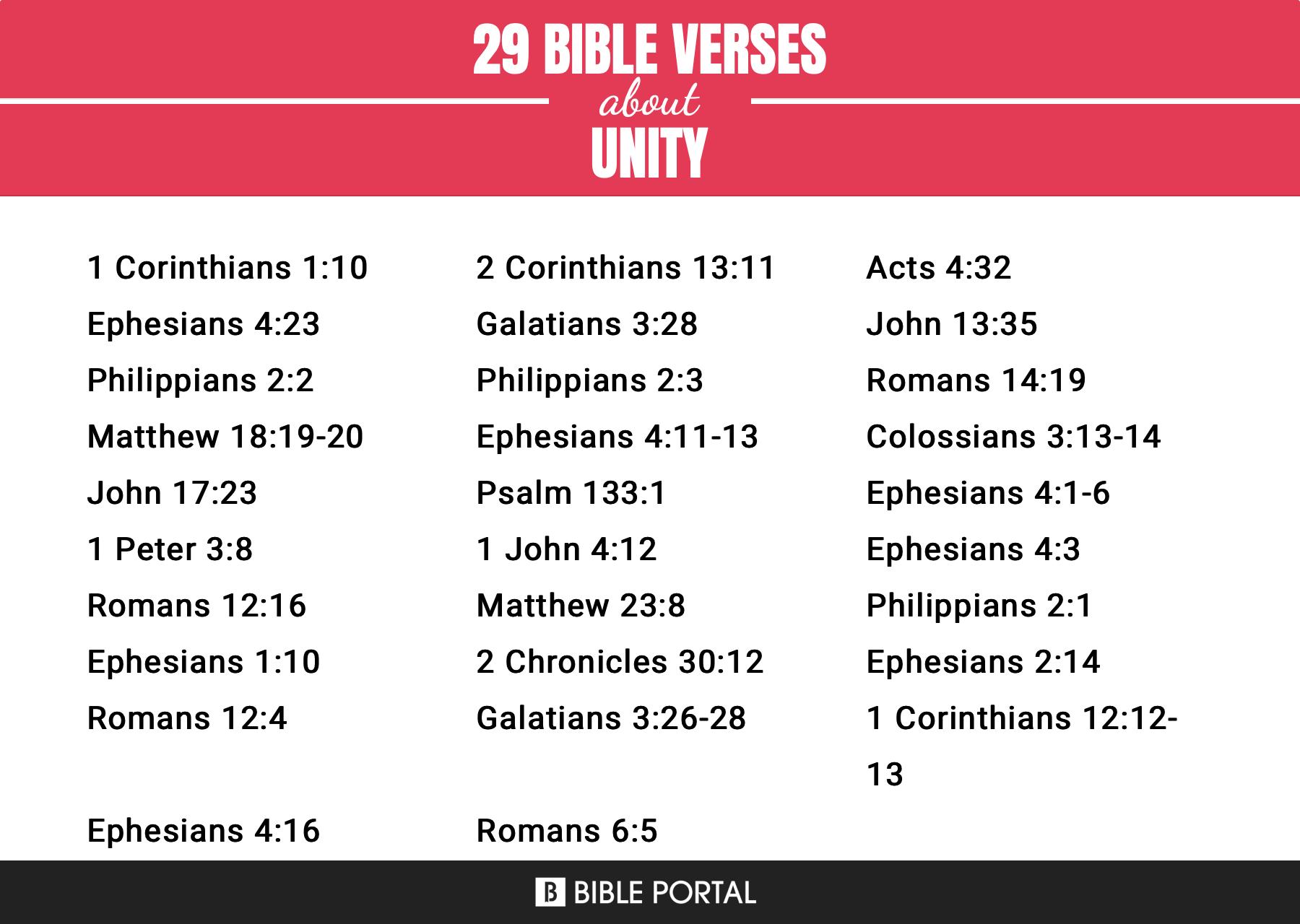
Furthermore, the concept of duality within the biblical framework is often linked with the theme of unity. The idea of two entities coming together serves as a testament to collaboration and synergy. In Matthew 18:20, “For where two or three gather in my name, there am I with them,” underscores this principle. Spiritual gatherings harnessing the power of numbers encourage believers to recognize that while one can indeed dwell in solitude, the collective experience—particularly among two—cultivates a divine presence, enriching the communal spiritual journey.
Yet, the interplay of unity and division attributed to the number two is far from simplistic. Consider the profound relationship between Adam and Eve. In the Genesis narrative, the creation of Eve from Adam’s rib is not merely an illustration of companionship but a profound symbol of interdependence. Genesis 2:24 articulates, “Therefore a man shall leave his father and mother and be joined to his wife, and they shall become one flesh.” This intimate union exemplifies the notion of unity achieved through the convergence of distinct individuals, suggesting that true oneness encompasses shared purpose, mutual respect, and harmonized objectives.
Diving deeper, the notion of unity inherent in the number two also traverses into the spiritual realm. Throughout the New Testament, the pairing of believers emerges as a critical theme, emphasizing the importance of companionship in spiritual growth and accountability. Ecclesiastes 4:9-10 states, “Two are better than one; because they have a good reward for their labor. For if they fall, the one will lift up his fellow.” Here, the scripture posits that in unity there is strength, a mutual upliftment that transcends individual capability. It serves as a timely reminder that fellowship is not merely beneficial but essential for navigating life’s challenges.
However, while examining the idyllic representation of duality, it’s crucial to explore the complexities inherent in human relationships. The Bible is replete with narratives that illustrate the friction that can arise when two paths intersect, as seen in the tales of Cain and Abel or the divide between Paul and Barnabas. Their split in Acts 15 epitomizes the potential disunity that can stem from differing perspectives and disagreements. Such accounts highlight that while two may represent companionship, they can also serve as a harbinger of conflict and strife, showcasing the delicate balance between unity and division.
Moreover, metaphysical considerations surface when engaging with the number two. The universal duality expressed in concepts like light and shadow, joy and sorrow, or love and hate has profound ethical implications. For instance, the parables told by Jesus often juxtapose contrasting elements to impart moral lessons—showing that clarity often emerges from the collision of two opposing forces. These contrasts implore believers to reconcile seemingly divergent paths in their lives, fostering a more profound understanding of the divine will.
So, how does one navigate this intricate tapestry woven together by dualistic threads? Embracing the power of the number two mandates an understanding that unity does not negate individuality. Rather, it recognizes that distinctiveness is essential to the fabric of collaborative engagement. Authentic partnerships thrive when each participant remains true to themselves, enhancing the collective strength that arises from plurality. Each person’s unique attributes—when brought together—form a richer narrative than any single entity could conjure alone.
Ultimately, the biblical notion of the number two—while rich with positive implications—also presents challenges that compel believers to assess their relationships and interactions. As it prompts self-reflection and discourse, the number two serves as both a mirror and a catalyst for growth. Embracing unity amidst differences not only affirms human relationships but also nurtures a deeper connection with the divine. In this light, one may conclude with an open-ended question: what journeys await when we courageously engage the dual paths before us, fostering collaboration, understanding, and ultimately, a transcendent unity? The answers may lie within the sacred scriptures themselves, waiting to be unearthed.












