
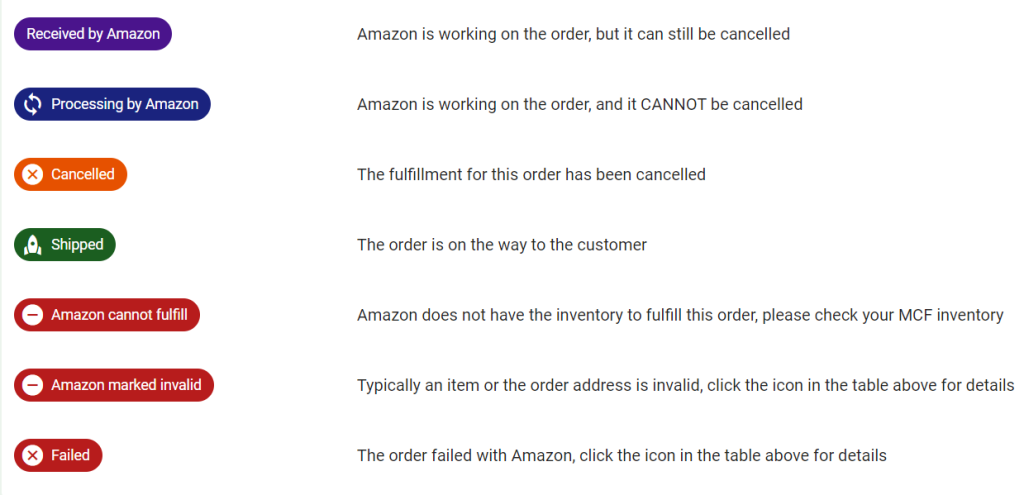
The online shopping ecosystem is a vibrant tapestry of transactions that often intertwine speed with customer satisfaction. Amidst this dynamic environment, terms like “unfulfilled order” can stir confusion or concern among consumers. Understanding what an unfulfilled order signifies is vital for navigating the digital marketplace effectively. This article aims to elucidate the concept, unpack its implications, and explore scenarios that lead to such a status.
At its core, an unfulfilled order denotes that a customer’s purchase has not yet been completed with delivery or shipment. This status emerges when the retailer has received the order but has not dispatched the items to the customer. While this might seem straightforward, the nuances behind unfulfilled orders offer rich insights into the broader shopping experience.
One might ponder, what causes the occurrence of unfulfilled orders? Various factors can contribute to this status, ranging from inventory challenges to payment processing issues:
- Inventory Shortages: Retailers often face circumstances where demand outstrips supply. This common predicament can arise from unexpected surges in popularity or logistical difficulties. As a result, products can go out of stock, leading to delays in order fulfillment.
- Payment Processing Delay: Occasionally, orders may remain unfulfilled due to complications in payment verification. Fraud detection systems might hinder the confirmation process, resulting in an order labeled as unfulfilled until the payment is resolved.
- Shipping Issues: Even after the order is confirmed, shipping discrepancies can rear their heads. This can involve a multitude of factors, including carrier delays stemming from weather events, logistical challenges, or even mislabeling of packages.
- Returns and Cancellations: If a customer subsequently initiates a return or cancellation before fulfillment occurs, the order status can also reflect as unfulfilled. This is particularly prevalent in platforms that allow customers to manage their orders intuitively.
Each circumstance that contributes to an unfulfilled order creates a ripple effect, impacting not just the customer but also retailers and logistics providers. For customers, this status can elicit a sense of uncertainty. They may wonder if the product is lost or whether their money will be refunded in case of cancellation. A retailer’s reputation is also at stake; delayed shipments can foster frustration among consumers and potentially erode trust.
Yet, not all unfulfilled orders spell doom. In fact, understanding this shopping status can empower consumers to navigate the online shopping world with greater efficacy:
- Proactivity: Customers can take proactive steps in cases of unfulfilled orders. Most e-commerce platforms provide tracking mechanisms that allow customers to monitor their orders. By keeping their eyes on delivery windows and shipping notifications, customers can stay informed about any potential delays.
- Communication: Engaging with customer service can clarify uncertainties. Should an order remain unfulfilled beyond expected timelines, reaching out to the retailer often yields information regarding the cause. Retailers capable of transparent communication frequently foster stronger relationships with their clientele.
- Awareness: Consumers who understand the common causes of unfulfilled orders are better equipped to approach shopping with realistic expectations. Awareness of factors such as inventory levels during peak seasons enhances the overall shopping experience.
Moreover, the implications of unfulfilled orders extend to e-commerce strategies and retailer operations. Businesses must deftly navigate the fine line between customer satisfaction and logistical realities. Here are several strategic considerations:
- Inventory Management Systems: Sophisticated inventory management systems enable retailers to maintain optimal stock levels and to project future demand effectively. This proactive approach can significantly minimize instances of unfulfilled orders.
- Enhanced Communication Protocols: Establishing clear communication channels can assuage consumer anxiety. Retailers can update customers regarding their order status through email notifications or SMS updates, creating a sense of connection and transparency.
- Return Policy Optimization: Crafting a customer-friendly return policy not only enhances customer satisfaction but can also streamline order fulfillment. Flexibility in this area can encourage buyers to proceed with their purchases, even in the face of potential delays.
In light of these insights, it is clear that unfulfilled orders necessitate a multidimensional approach from both consumers and retailers. Customers benefit from developing an understanding of the intricacies that underlie their shopping experiences, enhancing both their patience and online savvy. On the flipside, retailers are challenged to refine their operations continually, ensuring they can meet consumer demand even in fluctuating market conditions.
Ultimately, while unfulfilled orders may initially appear as hurdles in the e-commerce journey, they also present opportunities for growth, innovation, and deeper customer engagement. As the digital marketplace continues to evolve, grappling with these statuses becomes an integral part of crafting successful and sustainable online shopping experiences for all stakeholders involved.












