
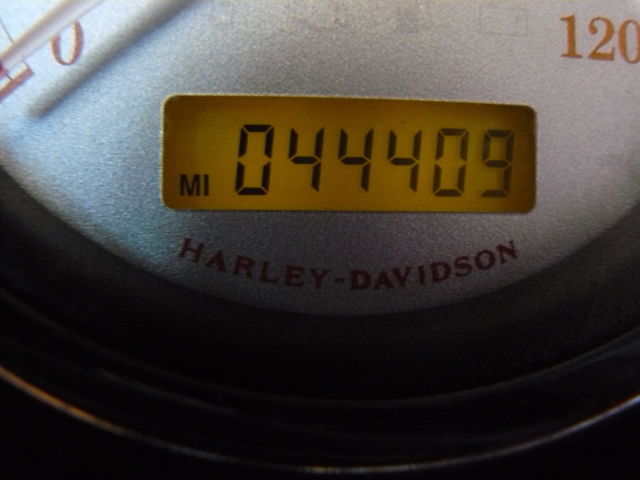
The 2009 Harley-Davidson Ultra Classic is a masterpiece of engineering, evoking nostalgia while offering the performance expected from modern motorcycles. One aspect of this majestic machine that captures the attention of riders and enthusiasts alike is its array of gauges. These instruments serve not only as functional monitors of the bike’s performance but also as vital communicators of information essential for an enjoyable and safe riding experience. This article delves into the gauges on the 2009 Ultra Classic, elucidating their meanings and significance in the context of motorcycle operation.
1. Speedometer: The Velocity Gauge
At the forefront of the gauge cluster sits the speedometer, a quintessential feature for any vehicle. On the Ultra Classic, this analog-like gauge displays the current speed in miles per hour (MPH). Understanding its readings is crucial for compliance with traffic laws and regulating your riding experience. The speedometer not merely indicates velocity but also entails a sense of control, letting you gauge your pace in bustling traffic or on open highways. Riders should be vigilant, as maintaining the appropriate speed enhances safety and contributes to overall road awareness.
2. Tachometer: The Rotational Indicator
Next to the speedometer lies the tachometer, a gauge that measures the engine’s revolutions per minute (RPM). This vital instrument assists riders in understanding their engine’s performance, allowing for optimal gear shifting. For instance, maintaining RPM within an ideal range enhances fuel efficiency and prolongs engine life. The tacho also serves as a warning sign; if the needle moves into the red zone, it’s a blatant signal that the engine is at risk of over-revving, which could lead to detrimental consequences. Knowing when to shift gears not only fosters a smoother ride but also heightens the enjoyment of the motorcycle’s power band.
3. Fuel Gauge: The Lifeline Meter
Navigating the roads necessitates a keen awareness of fuel levels, and that’s where the fuel gauge comes into play. This particular gauge indicates the amount of gasoline in the tank, typically marked with a “Full” and “Empty” scale. A preemptive glance at the fuel gauge can prevent the dreaded experience of running out of gas in the middle of nowhere. For long-distance riders, understanding this gauge can make the difference between a well-planned trip and an unforeseen detour in search of the next gas station.
4. Oil Pressure Gauge: The Lubrication Sentinel
The oil pressure gauge is perhaps one of the most critical components within the motorcycle’s gauge assembly. It measures the health of engine lubrication, signifying whether the oil is flowing effectively to safeguard engine components. A drop in oil pressure may signal inadequate oil levels or a failing oil pump, both of which demand immediate attention. Monitoring this gauge prevents engine wear and tear, ensuring that your ride remains smooth and reliable.
5. Voltage Gauge: The Electrical Arbiter
The voltage gauge serves as an indicator of the electrical system’s health. A well-functioning motorcycle relies on a stable voltage supply; fluctuations can spell trouble, leading to electrical failures or battery issues. This gauge typically displays the voltage level within the system, allowing riders to ensure that the battery remains adequately charged. Understanding the electrical health of the motorcycle is paramount; it keeps all the lights on and the systems functioning, especially during night rides or inclement weather conditions.
6. Temperature Gauge: The Thermal Sentinel
Thermal management plays a pivotal role in any engine’s performance. The temperature gauge in the Ultra Classic monitors the engine’s operating temperature, warning riders if the engine begins to overheat. This can be particularly crucial during long rides or in stop-and-go traffic where engine temperatures are susceptible to spikes. Staying vigilant with this gauge helps prevent catastrophic engine failures, ensuring the longevity of the bike.
7. Warning Lights: The Immediate Alerts
In addition to the traditional gauges, the Ultra Classic is equipped with numerous warning lights that offer immediate alerts regarding various systems. These lights might indicate issues such as low fuel, engine overheating, or brake system malfunctions. Each warning light serves as an acute reminder of potential problems, enabling the rider to take swift actions. Ignoring even the most benign warning light can lead to more severe mechanical issues down the line.
8. Navigation and Other Features: Modern Conveniences
Today’s Harley-Davidson models, including the Ultra Classic, often come equipped with advanced features like GPS and Bluetooth connectivity, providing navigational aids and multimedia functionality. Though technically not gauges, these features have become an integral part of the riding experience. The ability to receive navigation instructions or control music through handlebar controls enhances the journey without requiring riders to take their eyes off the road. This infusion of modern technology into classic design signifies the balance of tradition and innovation that Harley-Davidson epitomizes.
Conclusion: Understanding Your Dashboard for a Safer Ride
In conclusion, the gauges on the 2009 Harley-Davidson Ultra Classic are not mere adornments of the dashboard; they are instrumental in providing the rider with real-time information critical for a safe and enjoyable riding experience. From the speedometer to the oil pressure gauge, each component plays its role in maintaining the motorcycle’s performance and reliability. By nurturing a thorough understanding of these gauges, riders can forge a deeper connection with their machines, ensuring they harness the full potential of this iconic bike. With knowledge of their meaning, riders can embark on their journeys with confidence, knowing they are well-informed stewards of their Harley-Davidson Ultra Classic.












