
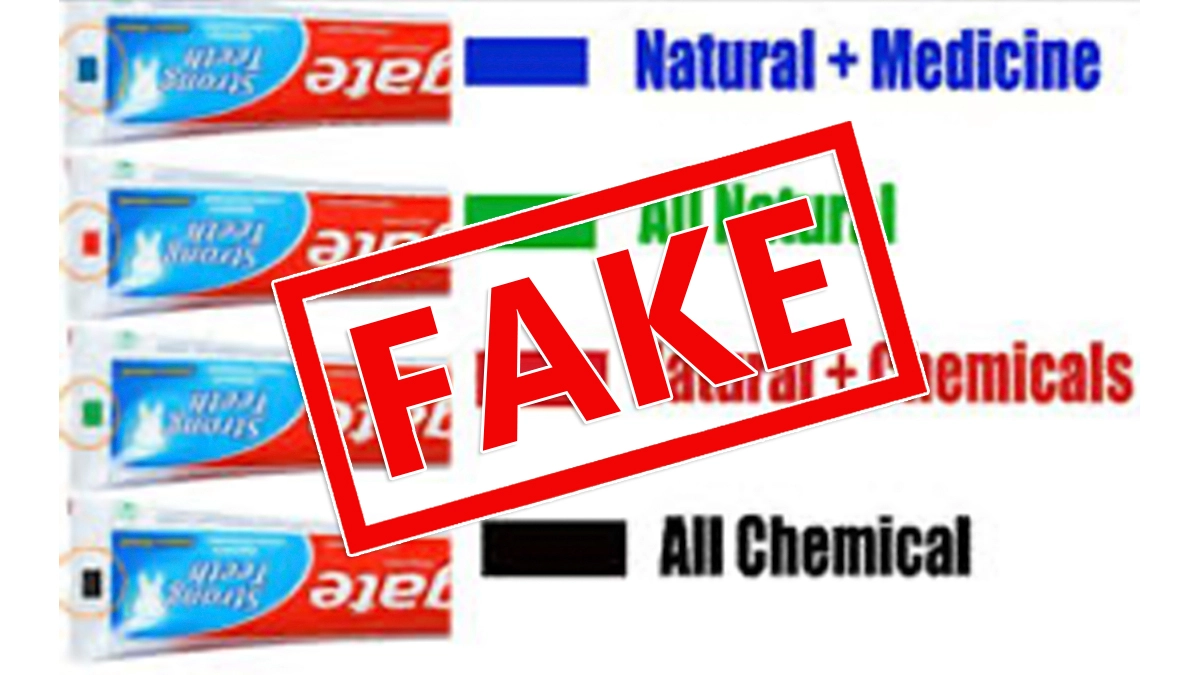
Toothpaste, that ubiquitous minty concoction that resides in nearly every bathroom across the globe, often comes with a peculiar feature that piques curiosity—the colored marks positioned at the end of the tube. These enigmatic decals capture the attention of both the casual user and the vigilant observer. What secrets do these marks hold? Are they an indication of hidden ingredients, or do they serve an entirely different purpose? This article endeavors to unravel the enigma surrounding colored marks on toothpaste tubes, separating myth from reality and shedding light on the underlying reasons for this phenomenon.
The Origin of the Colored Marks
Colored marks on toothpaste tubes have become a subject of intrigue and speculation. Originating as a part of the manufacturing process, these marks serve a practical purpose. Manufacturers utilize color coding to facilitate the production process, ensuring that various ingredients are properly mixed and that the tubes are filled correctly. Colors such as red, blue, green, and black are primarily employed to indicate the contents and intended formulation of the toothpaste, aiding in the categorization of different varieties.
However, this straightforward explanation is often clouded by a plethora of myths. The most prevalent misconception suggests that these marks can inform consumers about the chemical composition of the toothpaste—hinting at whether it contains natural or artificial ingredients, for example. Such beliefs frequently propagate in casual conversations and on social media, creating an aura of mystery around something that is, in reality, purely utilitarian.
Decoding the Myths
In the quest to demystify the colored marks, one must first examine the myriad of myths surrounding them. A widely circulated notion is that the color of the mark corresponds to the toothpaste’s ingredients. For instance, some assert that a green mark signifies a natural toothpaste formulation, while blue suggests a mix, and red denotes chemical compounds. This simplistic interpretation, however, is misleading. The colors do not correlate with any specific ingredient classification; rather, they are used internally by manufacturers for logistical reasons.
Moreover, another popular myth posits that these colored indicators can foretell the “quality” of the toothpaste, implying that a particular color might suggest superiority over others. Such assertions, while captivating, hold no substantiated merit. Toothpaste efficacy, safety, and overall quality are determined through rigorous testing and adherence to regulatory standards, not the hues emblazoned on the packaging.
The Science Behind the Seeming Simplicity
While decoupling the fabric of myth from fact, it’s important to acknowledge the psychological allure that the colored marks hold for consumers. The human mind is naturally inclined to seek patterns and meanings. The vivid colors on tubes may evoke feelings of familiarity or caution, subtly influencing purchasing decisions. Colors often carry psychological connotations—green evokes a sense of freshness and naturalness, while red can signify intensity and urgency. Thus, these hues are not just random visuals; they may play a subtle yet significant role in consumer behavior.
From a manufacturing perspective, these marks assist in quality control measures. By streamlining the production line, manufacturers can quickly identify batches of toothpaste and ensure consistency across various formulations. In an era where efficiency and accuracy are paramount in manufacturing, such simple coding can be invaluable.
Consumer Awareness and Transparency
As consumers grow increasingly conscientious about their personal care products, the demand for transparency has surged. Today’s shoppers are more informed than ever, seeking to understand the ingredients in their products and their implications for health and the environment. This evolving landscape has prompted many toothpaste brands to embrace clearer labeling practices, indicating whether they are free from harmful chemicals or manufactured with environmentally friendly processes.
As a result, some companies have begun to steer clear of colored marks altogether, opting for plain packaging that highlights ingredient lists and ethical sourcing instead. Such moves reflect a shift in consumer priorities, pushing brands to be more transparent about what they put in their products and how they align with consumers’ values.
Conclusion: Embracing Informed Choices
Ultimately, the colored marks on toothpaste tubes, while intriguing and often mystifying, serve a straightforward purpose primarily rooted in manufacturing logistics rather than consumer-facing implications. Understanding the origins and myths surrounding these marks empowers consumers to make informed decisions regarding their oral care products. Individuals should focus on comprehensive ingredient lists, ethical practices, and alignment with personal values when selecting toothpaste, rather than fixating on the coloration of its packaging.
By fostering this awareness, consumers can navigate the complex world of personal care with confidence—balancing curiosity with informed choices. So, the next time you squeeze a bit of toothpaste onto your brush, take a moment to appreciate its history and the mythos that has enveloped even the simplest of products. Armed with knowledge, you can embrace not just the act of dental hygiene, but also the larger narrative of conscious consumerism.












