
When embarking on a kitchen remodel or cabinetry update, one might not immediately consider the intricacies of cabinet hinges, yet these small components wield significant influence over both functionality and style. Among the myriad specifications one encounters, the term “1/2-inch overlay” recurs with regularity. Understanding what this term implies is crucial, as it goes beyond mere measurements and permeates design aesthetics and practical usage.
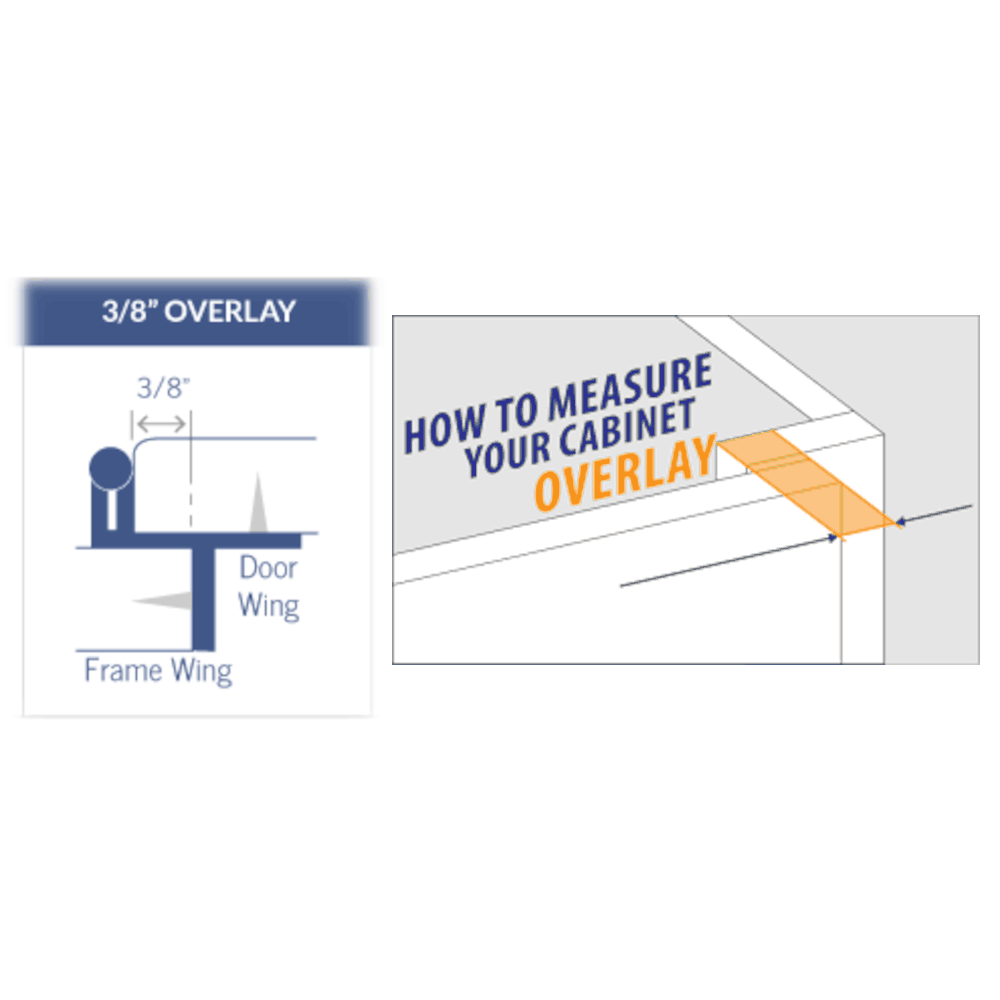
In essence, a 1/2-inch overlay hinge denotes that the cabinet door will cover half an inch of the cabinet frame upon closing. This seemingly simple specification serves as a vital link between the cabinet’s aesthetic presentation and its operational efficiency. It impacts how visible the structure’s framework is and, therefore, how the doors align with surrounding surfaces. The aesthetics of a cabinet, whether in a kitchen, bathroom, or home office, can significantly influence the space’s overall ambiance, and hinges, while often overshadowed by other hardware elements, play an unexpected role in this equation.
Cabinet doors come in a variety of overlay styles, broadly categorized into three types: inset, partial overlay, and full overlay. The 1/2-inch overlay falls squarely into the partial overlay category. In this arrangement, each door is not designed to fully conceal the cabinet face frame, allowing for a glimpse of the frame itself. This design choice elicits a unique character, instilling a distinct charm reminiscent of traditional cabinetry while enabling contemporary utility.
Visitors to kitchens or bathrooms often overlook these subtle design aspects, yet they possess the capacity to garner attention. The exposed cabinet frame surrounding a 1/2-inch overlay door offers a glimpse into the traditional craftsmanship that may be desired in certain design philosophies, particularly in rustic or farmhouse settings. Such characteristics introduce an inviting warmth to the environment, blending nostalgic themes with modern functionality.
From a functional perspective, the 1/2-inch overlay can also influence cabinet usability. Typically, such hinges allow doors to swing open without obstruction, given that the partial overlay setup permits some clearance. This clearance is particularly beneficial in tight spaces, where a full overlay might inhibit the ability to access items within the cabinet fully. Balancing accessibility and aesthetics, therefore, becomes pivotal when considering the right overlay for your cabinet design.
Choosing a 1/2-inch overlay hinge also comes with its own set of technical considerations and implications. Most notably, the alignment of the hinges must be precise to ensure smooth operation. When installed correctly, these hinges allow for a clean, flush appearance, minimizing gaps between the door edges and the cabinet frame. Gaps can disrupt the visual harmony of cabinetry, making attention to detail all the more critical.
Moreover, the material composition of the hinge itself can greatly affect longevity and performance. While most users might gravitate towards standard metal options, the burgeoning market of decorative hinges offers countless possibilities to enhance cabinet design. Incorporating more ornate or architecturally significant hinge styles can elevate the visual appeal of a cabinetry system, creating a statement that resonates with your overall aesthetic vision.
The fact that a hinge choice can have enduring implications is particularly significant. Consider the wear and tear that can accompany daily use in high-traffic areas such as kitchens. Choosing quality products, including reliable 1/2-inch overlay hinges, ensures not only a long lifespan but also mitigates the risk of malfunction—an important consideration for any homeowner.
A notable advantage of the 1/2-inch overlay customization lies in its versatility; it can elegantly accommodate a plethora of design styles. From the sleek, minimalistic lines found in modern interiors to the rich richness of traditional styles featuring ornate carvings, its adaptable nature renders it a suitable choice for various tastes. As trends fluctuate, the capacity for this overlay leverage allows for minor modifications without necessitating a complete overhaul.
For those considering DIY cabinetry projects, understanding overlays, particularly the significance of the 1/2-inch specification, becomes paramount. Accurate measurements and installation techniques can dictate the success of the project, directly influencing the final appearance and functionality of the cabinets. Resources abound for homeowners keen on mastering installation, offering guidance that spans from the selection of quality materials to the nuances of their placement.
While less glamorous than other components, the choice of overlay hinges invites a deeper contemplation of functionality, craftsmanship, and personal style. A simple decision regarding the overlay can ripple through many aspects of the cabinetry and how it interacts with the design of a space. Taking time to consider these factors can mean the difference between a merely functional kitchen and one that reflects the homeowners’ personal aesthetic, providing lasting satisfaction.
In conclusion, the 1/2-inch overlay for cabinet hinges serves as a testament to the thematics of design and form. It showcases how small details can wield monumental impacts on both functionality and aesthetics within a residence. As kitchens and bathrooms serve as gathering spaces, the significance of curvature and alignment underscored by the right overlay hinges becomes clear—a subtle yet profound element in the broader narrative of home design.












