
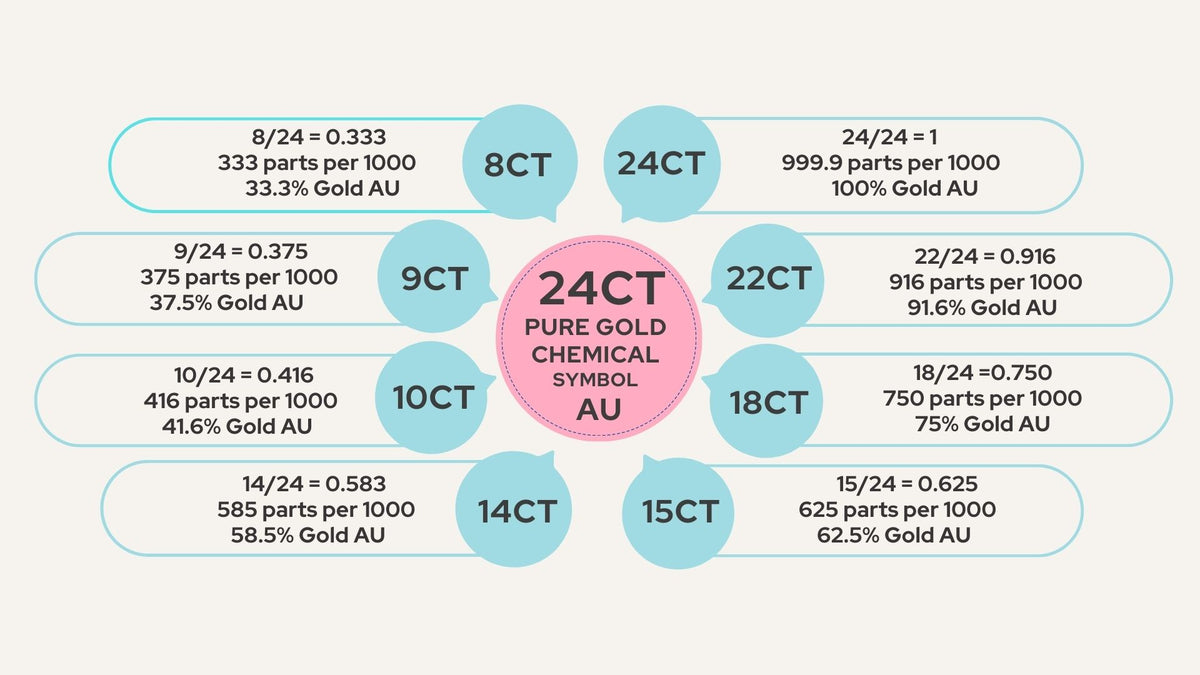
When strolling through a jewelry store, have you ever paused to ponder, “What does 14K really mean?” This is a question that surfaces frequently among jewelry aficionados and casual shoppers alike. Understanding the intricacies of gold purity is vital, especially when making significant investments in jewelry. The varying karat levels of gold can pose a myriad of challenges for the uninitiated. Fear not, for we shall demystify the world of gold purity, focusing particularly on the ever-popular 14K gold.
To begin, let’s clarify what the term “karat” signifies. Derived from the carob seeds once used as a method of weighing precious gemstones, the karat is a measurement system indicating the proportion of pure gold contained within an alloy. The system operates on a scale from 1 to 24 karats—24K representing pure gold, while any lower number indicates the presence of other metals.
In the case of 14K gold, it comprises 58.3% pure gold, with the remaining 41.7% made up of other metals such as silver, copper, or palladium. This combination provides not only a striking aesthetic appeal but also a plethora of practical advantages that lower-purity gold might lack.
But why should you opt for 14K gold over its purer counterparts? The answer lies primarily in durability. Pure gold, while undeniably beautiful, is insufficiently resilient for daily wear. It is soft and malleable, often prone to scratching and bending. In contrast, 14K gold, strengthened by the inclusion of other metals, successfully combines elegance with robustness, making it suitable for everyday jewelry like rings and bracelets.
Another intriguing aspect of 14K gold is its inherent versatility. The alloy’s composition allows artisans the creative latitude to produce a veritable cornucopia of colors. Whether you favor the warm allure of yellow gold, the romantic hues of rose gold, or the cool elegance of white gold, 14K options abound. Each type boasts its own unique charm, appealing to a wide range of personal aesthetics.
However, while exploring the depths of 14K gold, one must also consider its drawbacks. A common misconception is that lower karat gold is of inferior quality compared to higher karats. In reality, the choice of karat reflects personal preference rather than inherently superior quality. Those with sensitive skin may find they react adversely to the additional metals in 14K gold. Nickel, often used in white gold alloys, can trigger allergies in susceptible individuals. For those who cherish comfort alongside aesthetics, there are alternatives such as palladium white gold, which is hypoallergenic.
Additionally, it is essential to take note of the potential for tarnishing over time. Although 14K gold resists tarnish better than lower karats, the presence of other metals can still lead to changes in appearance. Caring for your gold jewelry with proper cleaning and storage is imperative to extending its luster and enchanting glow.
Moreover, when contemplating the purchase of 14K gold, it’s wise to consider the financial aspect. The price of gold fluctuates continually in response to market demands and global economic conditions. Generally speaking, 14K gold is less expensive than its 18K or 24K counterparts. This affordability can often open the door to larger or more intricate pieces than one might consider purchasing in higher karat options.
If you find yourself captivated by the allure of 14K gold but are curious about how to make the best choice, here are several tips to keep in mind:
- Research Retailers: Seek out reputable jewelers who can provide clear information about their gold sourcing and alloy compositions. Quality matters immensely when making a significant investment.
- Examine Hallmarks: Look for official stamps on the jewelry indicating its purity level. Genuine 14K gold should bear a hallmark that indicates its composition, typically “14K” or “585.”
- Ask About Warranty: Ensure that your purchase comes with a solid warranty to protect against defects and unusual wear.
- Prioritize Care: Educate yourself on cleaning and maintaining gold jewelry. Mild soap, warm water, and a soft cloth can work wonders in preserving your pieces for years to come.
An essential question to ponder as you navigate the world of gold is: what do you truly want from your jewelry? If durability, color variety, and value are high on your list, 14K gold may very well be your answer. Its robust nature, combined with aesthetic appeal, makes it a popular choice for engagement rings, necklaces, and bracelets.
In conclusion, understanding what 14K gold means unlocks a treasure trove of possibilities for personal expression through jewelry. While it encompasses slightly less pure gold than its higher karat counterparts, its unique advantages make it an attractive option for many. As you venture into the world of gold jewelry, remember that each karat tells a different story—one that reflects not just the material, but your personal taste and style. Diving into the domain of 14K gold may just be the beginning of a dazzling journey into a realm of beauty, craftsmanship, and enduring elegance.











