
Have you ever wandered into an automotive shop and found yourself daunted by the diverse array of motor oil grades displayed? The array of options can feel a bit overwhelming, can’t it? One of the most common entries in the motor oil lexicon is 5W-30. But what does this alphanumeric code truly signify? Let’s dive in and unravel the mysteries of motor oil grades, focusing specifically on the essence of 5W-30.
Motor oil is a critical lifeblood for any vehicle, designed to lubricate engine components, reduce friction, and prevent overheating. As vehicle technology evolves, so do the specifications and requirements for motor oils. Understanding these grades is essential, not just for enthusiasts but for every vehicle owner wanting to prolong the life of their engine. So, why is 5W-30 such a popular choice?
Decoding the Numbers: Understanding the “5W”
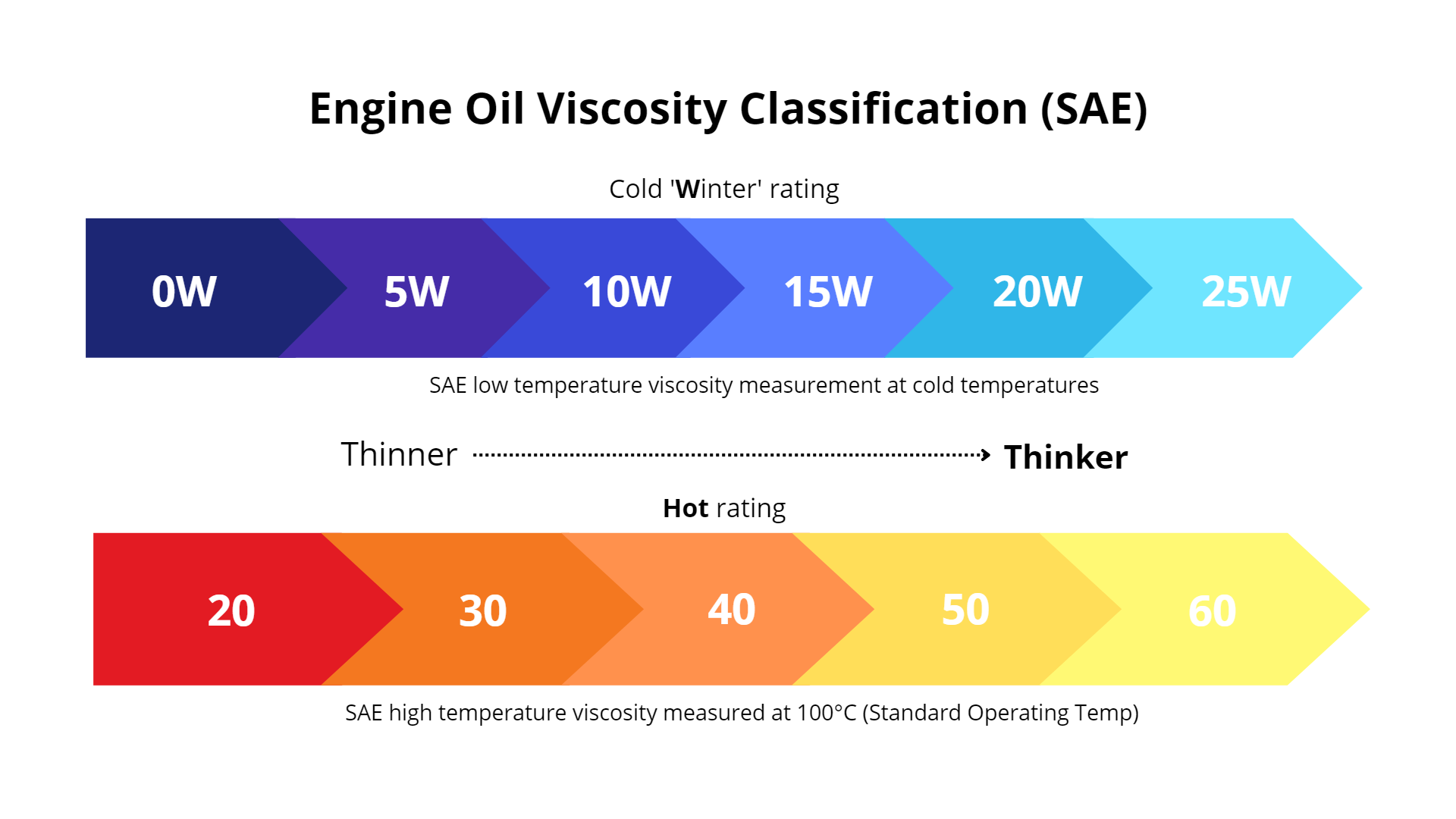
The “5W” in 5W-30 pertains to the oil’s viscosity rating during cold temperatures. The “W” stands for “Winter,” indicating that the oil is formulated to perform adeptly in colder climates. The number preceding the “W” measures the oil’s ability to flow at low temperatures. Essentially, a lower number signifies a less viscous fluid that remains pliable in chilly conditions.
What’s intriguing here is that a 5W oil can flow better than oils with higher numbers when the thermometer dips. Imagine starting your vehicle on a frosty morning. An oil with a viscosity rating of 5W would flow more freely than, say, a 10W oil, optimizing engine performance right from the ignition.
The Role of the Second Number: The “30” Factor
Now, let’s move on to the “30.” This second number indicates the oil’s viscosity at high temperatures, specifically at 100 degrees Celsius. The viscosity at elevated temperatures is crucial since it illustrates how well the oil can still lubricate the engine’s critical components under heat-induced pressure. A “30” rating indicates that, even when conditions heat up, the oil maintains appropriate thickness and protective properties to guard against wear and tear.
But here’s a playful challenge: consider the difference between 5W-30 and 10W-30. When facing frigid environments, would you think twice about which oil could better safeguard your engine? Understanding the function of these viscosity ratings can help you make an informed decision and tailor your choice according to your locality’s climate.
The Importance of Multi-Viscosity Oils
5W-30 is a multi-viscosity oil, meaning it operates efficiently in a range of temperatures. The ability to perform well in both cold and warm situations allows users in regions with fluctuating weather to enjoy enhanced engine protection year-round. Instead of having to switch oils with changing seasons, a multi-viscosity oil like 5W-30 provides a convenient and versatile solution.
In contrast, single viscosity oils, such as SAE 30, are less versatile. They are typically suited for one specific temperature range. Selecting a multi-viscosity oil, especially if you reside in an area characterized by extreme weather changes, offers both simplicity and peace of mind.
Types of 5W-30 Oil: Conventional vs. Synthetic
Just as there is diversity in application, there are also types of 5W-30 oil. The two major kinds are conventional oil and synthetic oil. Conventional oils are derived directly from crude oil and undergo refining processes to reach a usable form. They are typically more affordable, making them attractive for budget-conscious drivers.
On the other hand, synthetic oils, including those labeled as “full synthetic,” consist of artificially engineered molecules designed to deliver superior performance. They often provide better oxidation stability, reduced volatility, and enhanced lubricating properties over a broader temperature range. For performance vehicles or engines that experience extreme conditions, synthetic oil can be a worthy investment.
But here’s the query: if you’re a daily driver, is the additional cost of synthetic oil justified? It depends on your engine’s specific needs, driving habits, and local climate.
Choosing the Right Formula for Your Engine
Delving deeper, one must also consider the manufacturer’s recommendations for oil selection. Vehicle manufacturers typically specify the optimal oil grade for their engines that align with rigorous testing protocols. Utilizing an oil grade that’s inconsistent with those recommendations may lead to undue strain on the engine, diminishing overall efficiency.
Moreover, as you ponder which oil to choose, remember that regular oil change intervals also contribute significantly to engine longevity. Sticking to a routine schedule for changing oil keeps the engine running smoothly, prevents sludge buildup, and ultimately curtails repair costs.
Conclusion: Navigating the World of Motor Oils
In conclusion, understanding what 5W-30 means helps demystify the complexities of motor oil grades. From deciphering the importance of viscosity ratings to exploring the types of oils available, we can grasp the crucial role lubricants play in maintaining engine health.
So, the next time you find yourself in the oil aisle, rather than feeling overwhelmed, consider how 5W-30 could be an apt solution for your vehicle, especially if you live in an area marked by varying temperatures. Embrace the challenge, make informed choices, and grant your engine the protection it deserves!












