
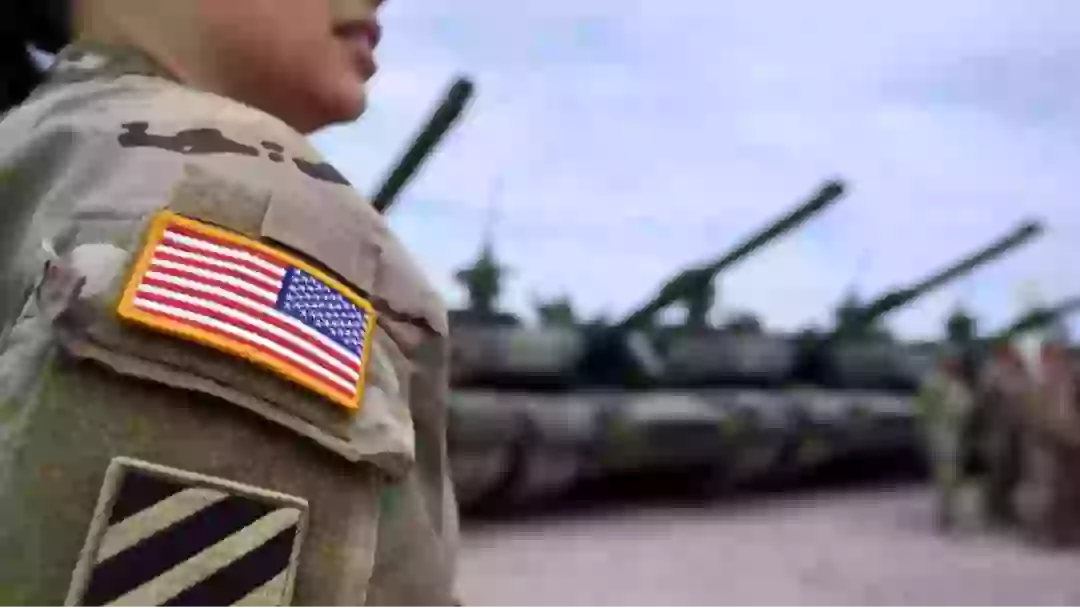
Have you ever found yourself gazing at a military uniform adorned with the U.S. flag, only to discover that Old Glory is displayed in reverse? At first glance, this peculiar sight may captivate your attention, leaving you with a swirling vortex of questions. Why would a symbol of patriotism appear flipped? What could it possibly signify? In this exploration, we’ll unravel the intricate layers of military protocol, symbolism, and tradition behind the backward flag, revealing its profound meaning and significance.
The U.S. flag, characterized by its red stripes, white stars, and blue field, is a powerful emblem of national pride. Flipping this cherished symbol denotes more than a simplistic act of misplacement; it conveys a rich tapestry of history and adherence to military traditions. The U.S. flag is authorized for various uses and displays, with each context imparting a distinct connotation. However, observing a reverse-facing flag on a military uniform is an intentional choice governed by established protocol.
First and foremost, let’s delve into the essence of the backward flag’s significance. When emblazoned on military uniforms, it is strategically oriented to be worn with the blue field facing forward. This position symbolizes the flag advancing into battle, embodying a soldier’s unwavering commitment to rise above adversity. The logic is impeccably rooted in the military’s ethos—flags are meant to be observed as they are carried into the fray, providing encouragement and solace to troops.
Yet, when the flag appears backward, it signifies the opposite; it serves as an emblem of valor. This design choice encapsulates the notion of an “assault formation.” Picture it: as a soldier forges ahead, the flag waves triumphantly behind them, fluttering forth as an emblem of courage. This visual representation is particularly poignant during combat scenarios, symbolizing the soldier’s relentless spirit in protecting the nation.
However, understanding the military’s logic doesn’t entirely quell the initial confusion one might feel upon spotting this reversal. Why might a soldier or a formation of soldiers choose to don the flag in such a manner during parades, ceremonial events, or even uniform displays? To answer this, we need to investigate the rich vein of military customs and protocols that underscore its usage.
The placement of the U.S. flag on uniforms is governed by the United States Flag Code, which dictates various norms regarding its display and conduct. A key tenet of this code is that the union—the blue field of stars—should always be in a position of honor. Thus, wearing the flag backward is a conscious decision that demonstrates respect. It draws a stark contrast from the traditional positioning, delivering a visual message that resonates with both troops and onlookers alike: we are moving forward, always.
In the military, uniforms are not mere garments; they encapsulate identity, pride, and honor. Moreover, the backward flag finds itself most prominently featured on tactical gear of specific military branches. For instance, members of the U.S. Army, Navy, and Air Force often sport this configuration on their combat uniforms during active duty. The backward flag acts as a beacon of hope for those serving and a powerful symbol for those they protect. Such positioning distinguishes the military from civilian life, carving out a space where tradition and modernity intertwine.
Despite the historical roots of this practice, contemporary interpretations vary. In today’s culture, sporting a backward flag can also invoke diverse emotions and thoughts. Some view it as a bold expression of defiance against adversity, while others interpret it as a remarkable tribute to those who have fought valiantly. This duality provides a rich field for discussion among experts, enthusiasts, and veterans alike, raising intriguing queries about what this symbol symbolizes in our ever-evolving society.
We must also consider the context in which the backward flag is displayed. Different military branches might adopt unique protocols encompassing different scenarios, from parades to memorial services. On festive occasions and community gatherings, soldiers often choose the backwards flag as a tribute to camaraderie and sacrifice. It serves as a link between past, present, and future, showcasing collective resilience and unity in the face of challenges. In the storm of uncertainty, the backward flag emerges as an indomitable spirit—one that does not yield to fear but instead marches forward, fueled by purpose.
It’s fascinating to note the cultural impact that can stem from military symbolism, especially regarding the backward flag. Artists, filmmakers, and writers often draw upon military iconography to convey themes of sacrifice, bravery, and the human experience. Such portrayals have influenced a generation’s understanding of national pride and the intricacies of military life. Whether it is a poignant drama or an inspiring documentary, the backward flag can invoke intense emotions, prompting audiences to reflect on the meaning of duty and sacrifice.
As you navigate the realm of military traditions and customs, allow the ceremony of the backward U.S. flag to provoke thought, feeling, and perhaps even a sense of pride. To what event does it belong? How does it shape perceptions of military life among civilians? One thing remains clear—the backward flag isn’t merely an oddity; it’s a testament to America’s journey through challenges and triumphs, inviting us to acknowledge the valor of those who serve.
In conclusion, the backward U.S. flag on military uniforms is imbued with deep-rooted significance, encapsulating themes of bravery, honor, and relentless determination. Its deliberate reverse positioning serves as a visual narrative of national identity, indecomposable into mere decoration. Next time you spot this symbol of valor, take a moment to appreciate its rich history and the courageous spirits it represents. After all, the symbolism we choose to embrace often shapes our collective understanding of identity and purpose.












