
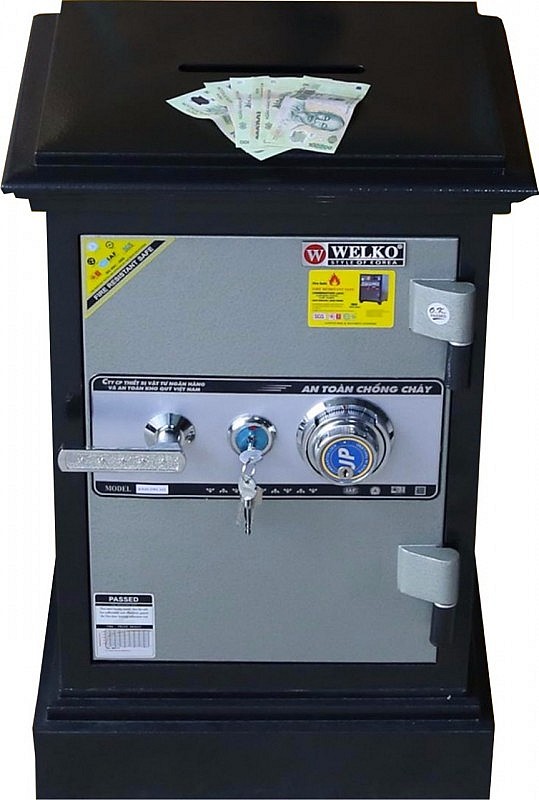
In an era where security is paramount, understanding the nuances of safeguarding valuable assets becomes essential. A drop safe—a specialized safe designed for cash and other high-value items—has emerged as a pivotal component in the security landscape. But what exactly does the term “drop safe” signify, and what security features should you be aware of? In this exploration, we delve into the inner workings of drop safes, uncovering their intricacies and illuminating their significance across various industries.
At its core, a drop safe serves a singular purpose: to provide a secure location for monetary transactions or invaluable possessions. These safes are often seen in retail environments, banks, and even gas stations. They allow employees to effortlessly deposit cash or other valuable items without needing to unlock the safe fully, thereby streamlining operations while augmenting security. However, the simplicity of their function belies the complex mechanics and features that ensure their efficacy.
Let’s dissect the captivating world of drop safes, beginning with their primary design attributes. Most drop safes are constructed from heavy-duty steel, providing a robust barrier against unauthorized access. This durable exterior resists drilling, prying, and other forms of forced entry, which adds an essential layer of defense. The thickness of the steel plays a critical role, as thicker walls correlate with enhanced security, minimizing vulnerabilities that potential criminals might exploit.
A pedestal for advanced security features exists within the internal mechanisms of drop safes. At a fundamental level, these safes often incorporate a standard lock-and-key system; however, modern iterations have evolved to include electronic locks, biometric scanners, and even dual-key mechanisms. The introduction of biometric locks is particularly noteworthy—using fingerprint recognition technology ensures that only authorized personnel can gain access, projecting a formidable barrier against theft.
One striking element of drop safes is their drop slot—a cleverly engineered access point that allows for swift deposits without the need for opening the safe. This feature is invaluable in bustling environments, where employees can deposit cash on the fly. The size and design of the drop slot can vary, as some are designed to handle bulky items while others are more suited for crisp banknotes. The key is to choose a model that aligns with your specific operational needs.
Security also extends into the realm of fire resistance. While the primary function of a drop safe is to thwart theft, an increasing number of models also come equipped with fireproofing materials. Fire-resistant safes are engineered to withstand extreme temperatures for specific durations, which is crucial for protecting not only cash but also vital documents. This dual protection ensures peace of mind during unforeseen circumstances, providing a safeguard in events of fire that could otherwise devastate a business’s assets.
Beyond physical attributes, the security features of drop safes are complemented by strategic placement and installation. The optimal location of a drop safe within a business can significantly enhance its efficacy. For instance, positioning the safe near the cash register or in a secure area can deter would-be assailants. Additionally, the installation process should involve anchoring the safe to the floor or wall, preventing thieves from physically removing it. Such strategic considerations underscore the importance of viewing security as a multifaceted approach rather than isolated features.
Moreover, not all drop safes are created equal. The market is laden with various models, each presenting unique selling points. For establishments that handle vast amounts of cash daily, a safe with a hefty weight and advanced technology may be essential. Conversely, smaller businesses might find solace in lighter, more cost-effective options that still offer basic security features. It’s imperative to assess individual needs and operational dynamics to select the ideal drop safe that aligns with organizational requirements.
As we ponder the significance of drop safes, it becomes evident that they play an instrumental role in establishing a culture of security within businesses. A well-chosen drop safe can enhance employee confidence by creating a secure environment for cash handling. This not only fosters a sense of safety but also instills trust among patrons, as they witness an establishment that prioritizes safeguard measures.
Yet, as advanced as these safes are, no security feature is foolproof. Thus, training personnel on the correct use of drop safes is equally critical. Employees must understand the specific protocols for deposit procedures, lock mechanisms, and emergency situations. Regular audits and maintenance are also essential to ensure that the safe remains in optimal condition. Such vigilance transforms a simple drop safe into a fortress, safeguarding against potential threats.
In conclusion, a drop safe is more than just a metal box; it is a crucial element in the intricate web of security protocols that businesses employ to protect their assets. With an array of features ranging from robust construction to advanced locking mechanisms, and the inclusion of fire resistance, drop safes offer a comprehensive solution for safeguarding valuables. Organizations must not only invest in high-quality drop safes but also commit to strategic implementation and ongoing training to ensure their full capabilities are realized. In balancing efficiency with safety, drop safes embody the promise of security in a fast-paced and often unpredictable world.












