
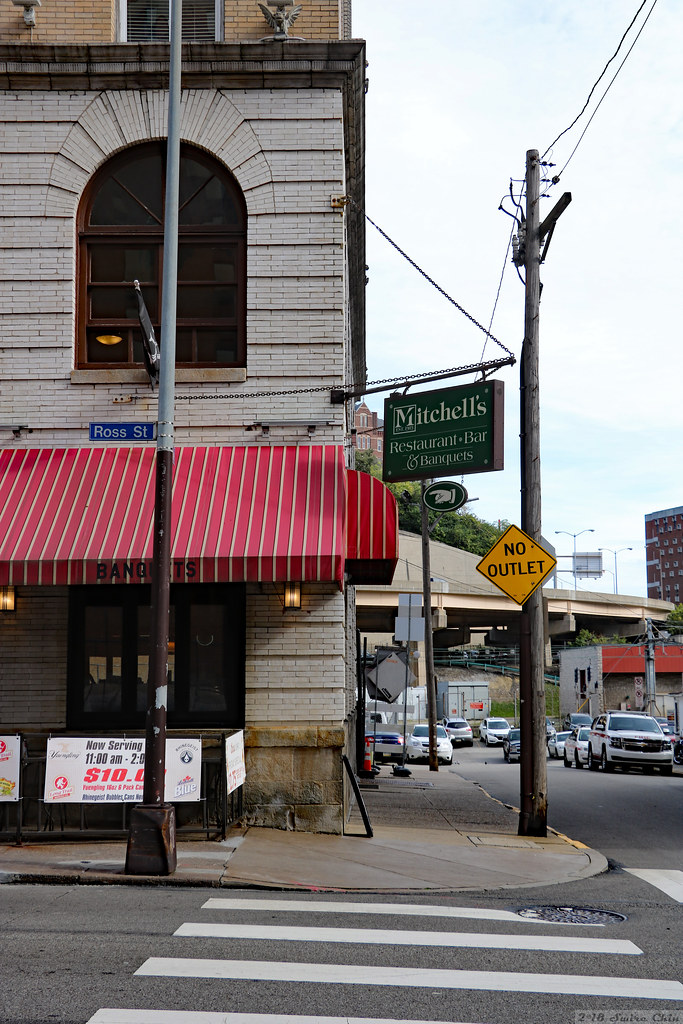
When traversing the winding paths of suburban neighborhoods, one might encounter a peculiar road sign that reads “No Outlet.” For many drivers, this sign serves as an ominous harbinger, declaring that the road ahead culminates in a dead-end. However, this seemingly prohibitive signage conveys much more than merely a warning—it reflects broader real estate dynamics that can profoundly influence property desirability, investment potential, and community characteristics.
At first glance, the “No Outlet” sign embodies the essence of a closed path, suggesting a journey without resolution. But in the realm of real estate, this symbol can be interpreted through various lenses, offering insights into residential living, property values, and even social dynamics within a neighborhood. Understanding what a “No Outlet” road signal signifies is crucial for prospective homeowners, real estate investors, and urban planners alike.
The Literal Interpretation
The primary and most evident meaning of a “No Outlet” sign is the physical impossibility of through traffic. The road ends abruptly at some barrier—a cul-de-sac, a river, or perhaps a natural landscape that beckons with its scenic beauty. This culminative termination leads many to view such roads with trepidation. After all, fewer travel pathways often translate to reduced convenience. Yet, this is a simplistic view that overlooks the nuanced realities of neighborhoods adorned with such signs.
The Allure of Seclusion
In the intricate tapestry of residential living, a “No Outlet” designation can exert a magnetic pull for individuals seeking tranquility over the relentless buzz of urban life. These roads often provide limited access to traffic, which can cultivate a serene atmosphere, reminiscent of a hidden glade in a vast forest. Families with children find solace in the relative safety from speeding vehicles, while retirees can revel in the peacefulness that accompanies less hustle and bustle. Thus, the absence of an outlet often becomes synonymous with refuge.
Real Estate Consequences
The real estate market responds to the emblematic presence of “No Outlet” signs in complex ways. Properties nestled within these enclaves frequently exhibit unique attributes. Here are the potential advantages and disadvantages:
- Privacy and Safety: Homes situated on cul-de-sacs or dead-end streets typically enjoy lower traffic flow. This reduced exposure enhances safety for children at play and privacy for residents, often elevating property appeal and market value.
- Community Cohesion: The limited access inherently creates a sense of community. Neighbors become more familiar with one another, fostering relationships that might be sparse in busier, more transient areas. This can lead to higher levels of neighborly interaction and community involvement.
- Potential Investment Pitfalls: Conversely, properties on “No Outlet” roads may exhibit lower appreciation rates over time compared to homes situated in more accessible locations. For real estate investors, this can mean lower potential ROI, particularly if the property is not easily traversable for resale.
Inventory and Market Trends
In examining market trends, homes on “No Outlet” streets may present a dichotomy. Some buyers actively seek out these homes, drawn by their allure and promise of serenity. Others, however, may shy away, preferring the busyness and convenience associated with more connected thoroughfares. This divide in preferences creates an interesting inventory scenario—while some “No Outlet” homes may languish on the market, others may fetch premium prices due to strong demand. Thus, it becomes vital to navigate these waters with insight and savvy.
Geography’s Role
The lay of the land also plays a significant role in the implications of “No Outlet” signs within the greater real estate narrative. Some regions may boast breathtaking panoramic views or proximity to natural preserves, enhancing the value of properties backing onto dead-end roads. Others may find themselves isolated, with limited access to services such as schools, shopping, and healthcare, thus posing challenges for residents. The geography and amenities surrounding these roads are pivotal in determining their desirability.
Sociocultural Dynamics
Apart from practicalities, there exists an undeniable sociocultural matrix that defines communities marked by “No Outlet” signage. These neighborhoods often attract individuals with a collective appreciation for tranquility, creating a demographic profile that can foster unique social expectations and community norms. This can manifest in enhanced neighborhood watch activities, local events, and a palpable sense of belonging. Thus, a “No Outlet” street can transform into a vibrant microcosm of human connection—turning mere roadblocks into intersections of lives.
Conclusion: A Double-Edged Sword
Ultimately, the “No Outlet” sign embodies a multifaceted symbolism within the intricate landscape of real estate. It serves as a reminder that while it may deter immediate access and convenience, it simultaneously opens up a world of peaceful living, close-knit community, and the allure of solitude. For those navigating the complex pathways of homeownership or investment, understanding the implications of such signage can lead to enlightened decisions. Thus, the “No Outlet” sign, often overlooked, holds the potential to illuminate paths not just in literal terms but within the broader alcoves of real estate opportunities.












