
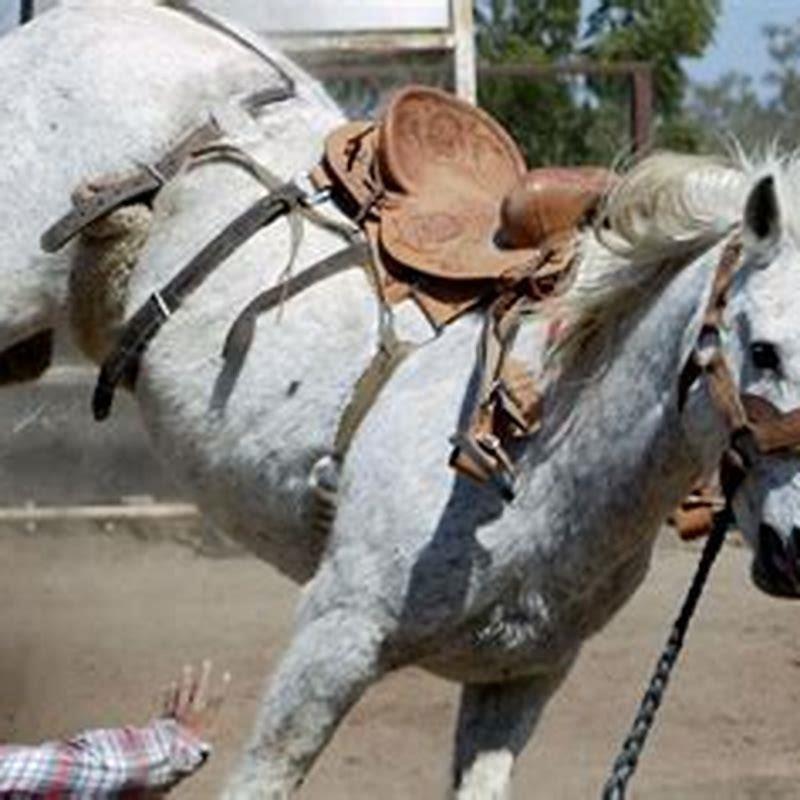
Breaking a horse, often referred to as “starting” a horse, is a term that resonates deeply within the equestrian world. This intricate process is not merely about subduing a wild creature; rather, it encapsulates the nuanced art of establishing a partnership based on trust and communication. Many individuals may misconstrue this terminology, equating it with a harsh and punitive approach. However, it is pivotal to delve deeper into the meaning of breaking a horse and explore the various dimensions that this endeavor entails.
At its core, breaking a horse involves training it to be ridden and controlled by a rider. This foundational process typically occurs in the early stages of a horse’s life or when a horse is newly acquired. The ultimate goal is to cultivate a willing and responsive animal, ready to undertake various equestrian activities. To elucidate this complex undertaking, let us break down the essential components of horse training.
1. Understanding the Equine Mind
The first step in breaking a horse is to comprehend the psyche of these magnificent creatures. Horses are inherently prey animals, and their instincts drive them to be cautious and wary of potential threats. Establishing trust between horse and trainer is crucial. Trainers must employ patience and empathy, creating a safe environment that encourages the horse to explore its surroundings without fear.
Building trust can often begin with groundwork exercises, including leading, lunging, and desensitization to various stimuli. Understanding body language is fundamental in recognizing a horse’s comfort levels and building rapport.
2. Groundwork Fundamentals
Groundwork is an indispensable phase in the breaking process, where the horse learns to respond to basic commands without a rider’s weight. This stage teaches vital life skills: moving forward, stopping, turning, and responding to various cues. Groundwork lays a strong foundation for the physical and mental aspects of riding. Techniques such as lunging help accustom the horse to the reins and to the feel of a saddle.
During groundwork, the trainer should emphasize positive reinforcement—acknowledging the horse’s successes with rewards such as treats or verbal praise. This methodology cultivates a bond grounded in mutual respect and cooperation, setting the stage for more advanced training.
3. Introducing Tack and Equipment
Once the horse demonstrates proficiency with groundwork, it is time to introduce the necessary tack. This phase includes familiarization with bits, saddles, and stirrups. Horses must feel comfortable with the equipment to prevent anxiety or resistance when it comes time to ride. Trainers should gradually acclimate the horse to each new piece of tack, ensuring the horse associates it with positive experiences.
The bit, for example, can be particularly sensitive for a horse. Trainers should be adept at selecting the appropriate bit that balances control with comfort, reflecting the horse’s individual needs. Ensuring that the tack is properly fitted cannot be understated, as ill-fitting equipment can lead to discomfort and behavioral issues.
4. Mounting and Initial Rides
As trust solidifies and the horse becomes comfortable with the tack, the time to mount arrives. This is a critical juncture in the breaking process. The trainer typically employs a gentle approach, slowly introducing weight into the saddle while maintaining an atmosphere of calmness. The initial rides should be kept brief, focusing on basic commands and allowing the horse to adjust to the sensation of carrying a rider.
It’s essential to remain attuned to the horse’s body language during these first rides. Signs of distress or discomfort must be addressed immediately. Flexibility in approach is key; if the horse displays apprehension, taking a step back to reinforce groundwork skills may be necessary.
5. Building Responsiveness and Fluidity
Once the horse is comfortable with a rider, the next stage involves cultivating responsiveness. This encompasses refining commands, enhancing the horse’s movement, and teaching advanced skills such as lateral work and transitions. The objective is to develop a seamless connection between horse and rider, where cues are intuitively understood and executed.
Through consistent practice and a variety of exercises, the horse learns to read signals more effectively. This allows for smooth transitions between gaits and ultimately leads to a more pleasurable riding experience for both parties involved.
6. Patience and Progress
Breaking a horse is far from a one-size-fits-all approach. Each horse is an individual, with its own temperament and learning style. As such, progress may vary significantly among different equines. Trainers must exemplify patience, allowing the horse to progress at its own pace. Rushing the process can lead to setbacks, reinforcing fear or resistance.
In the equestrian world, the phrase “slow is smooth and smooth is fast” rings true. Building a solid foundation through gradual training will ultimately result in a well-rounded, reliable companion.
Conclusion: A Partnership Rather Than Domination
In summary, breaking a horse is an art form that transcends mere physical training. It embodies the profound relationship between human and horse, grounded in trust, understanding, and respect. Embracing this process with a mindful approach paves the way for a harmonious partnership that not only enhances riding proficiency but also enriches the equestrian journey. Whether one is a novice or seasoned rider, appreciating the subtleties of horse training can lead to a more rewarding experience for both horse and rider alike. Breaking a horse, when executed with love and compassion, transforms into an exhilarating adventure of bonding that defies conventional definitions.












