
In the realm of automotive commerce, the term “vehicle reconditioned” is frequently encountered, particularly in reports provided by services like CARFAX. But what exactly does this term entail? Understanding vehicle reconditioning is pivotal for consumers and many dealerships alike, as it can significantly influence purchasing decisions, vehicle valuations, and ultimately, driving experiences. The reconditioning process is multifaceted, encompassing various aspects of vehicle improvement, rectification, and preparation for resale. This article will delve into the meanings, processes, and implications of vehicle reconditioning as categorized by CARFAX.
To start, vehicle reconditioning typically refers to the systematic procedure aimed at restoring a used vehicle to a condition that aligns with safety and aesthetic standards. This process can involve multiple activities, each targeting a specific area of the vehicle, and is crucial for ensuring that the car meets market expectations and legal standards. While the term may seem straightforward, it encompasses a broad spectrum of services and repairs.
One of the primary aspects of vehicle reconditioning is mechanical repair. This involves addressing any underlying issues associated with the engine, transmission, brakes, and other critical components of the vehicle. It’s not uncommon for used vehicles to exhibit wear and tear; therefore, mechanics will typically perform diagnostic tests to pinpoint issues that need rectifying. By resolving these issues, sellers can assure potential buyers that the vehicle operates at optimal performance levels, thus enhancing the overall appeal of the vehicle.
Beyond mechanical repairs, reconditioning addresses aesthetic enhancements as well. Detailing services, including interior cleaning, buffing of the exterior, and even minor cosmetic repairs, play a crucial role in this process. A vehicle that looks and feels clean significantly attracts prospective buyers. The subtleties of a well-maintained interior, coupled with a gleaming exterior, can increase a vehicle’s resale value while reducing the time spent on the market. Professional detailing might involve shampooing carpets, conditioning leather seats, and polishing the paint, ensuring the vehicle presents itself in the most inviting manner possible.
Additionally, vehicle reconditioning often entails ensuring that all safety features are fully operational. This includes inspecting and replacing components such as headlights, taillights, windshield wipers, and turn signals. Such attention to detail is instrumental in reassuring prospective buyers about their safety when driving the vehicle. Furthermore, screening for and addressing potential safety recalls is an integral part of the reconditioning process that should not be overlooked.
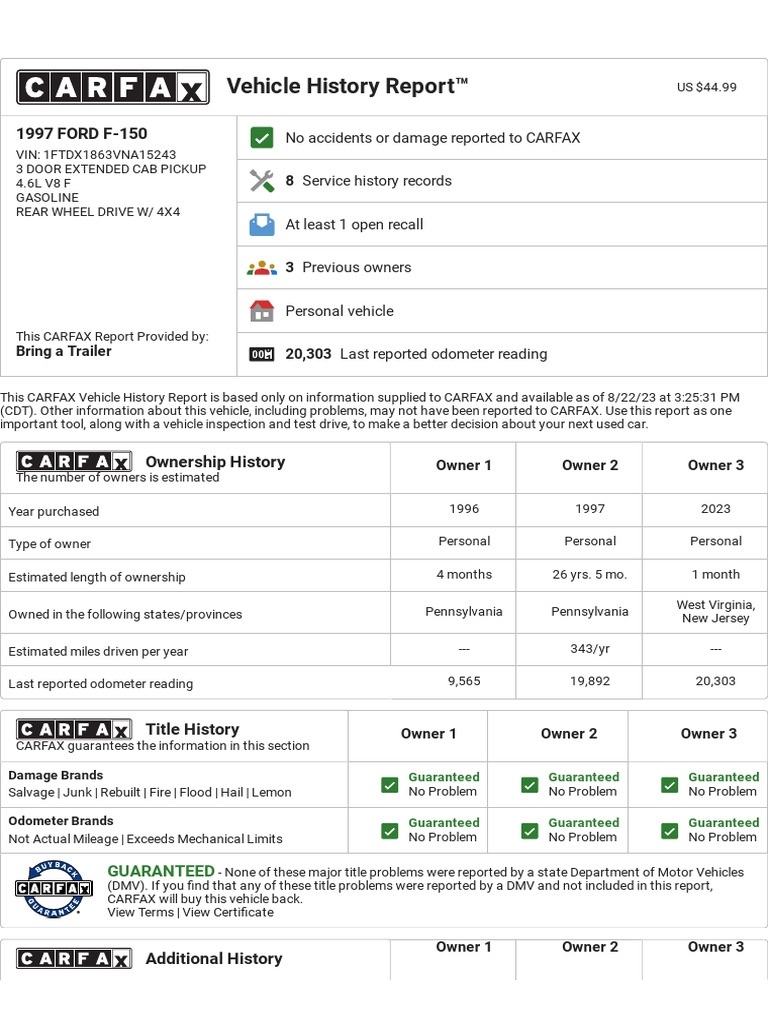
One poignant aspect that CARFAX emphasizes is the importance of transparency in vehicle history and reconditioning. A vehicle that has undergone reconditioning should have its history duly documented, revealing what repairs or updates were performed and whether any parts were replaced. This level of transparency is not merely a courtesy to the buyer; it serves to build trust and can be a compelling selling point.
Reconditioning practices can also vary based on the dealership and the specific vehicle. For example, luxury cars may undergo more rigorous reconditioning due to higher customer expectations. Buyers of luxury vehicles expect not only mechanical perfection but also exceptional aesthetic quality. In some cases, dealerships may even employ specialists to ensure that services such as detailing or mechanical repairs meet the stringent standards set for higher-end vehicles.
The notion of vehicle reconditioning extends to used cars obtained from auctions or entry-level dealerships as well. These cars may require comprehensive assessments, and the reconditioning process may vary considerably based on the vehicle’s original condition and previous ownership. Therefore, while one vehicle might only require minor aesthetic fixes, another might call for extensive mechanical repairs and replacement of various components. This variability makes a complete understanding of each reconditioned vehicle’s history critical for potential buyers.
Moreover, it is important to note that “reconditioned” does not mean “like new.” Understanding this distinction is critical, as it helps manage expectations among consumers. A reconditioned vehicle may still exhibit some signs of wear, albeit within an acceptable range for its age and mileage. Buyers should approach reconditioned vehicles with due diligence, considering independent inspections whenever possible to ensure that all reported repairs and enhancements align with their personal standards.
As a result, consumers should inquire specific questions when assessing a reconditioned vehicle, such as:
- What repairs and services were completed during reconditioning?
- Were any critical components replaced, such as the engine or transmission?
- Is there a warranty available for the reconditioning work done?
- Can documentation of all repairs be provided?
In conclusion, understanding what CARFAX means by “vehicle reconditioned” encompasses a wide range of facets, from mechanical integrity and aesthetic enhancements to a keen emphasis on safety. By grasping the nuances of vehicle reconditioning, consumers can make more informed decisions when navigating the used car market. They can appreciate the efforts put into revitalizing a vehicle while also being mindful of the potential gaps or limitations that come with such processes. Ultimately, awareness and diligence empower buyers to find a reconditioned vehicle that not only meets their standards of safety and performance but also fits seamlessly into the tapestry of their automotive journey.












