
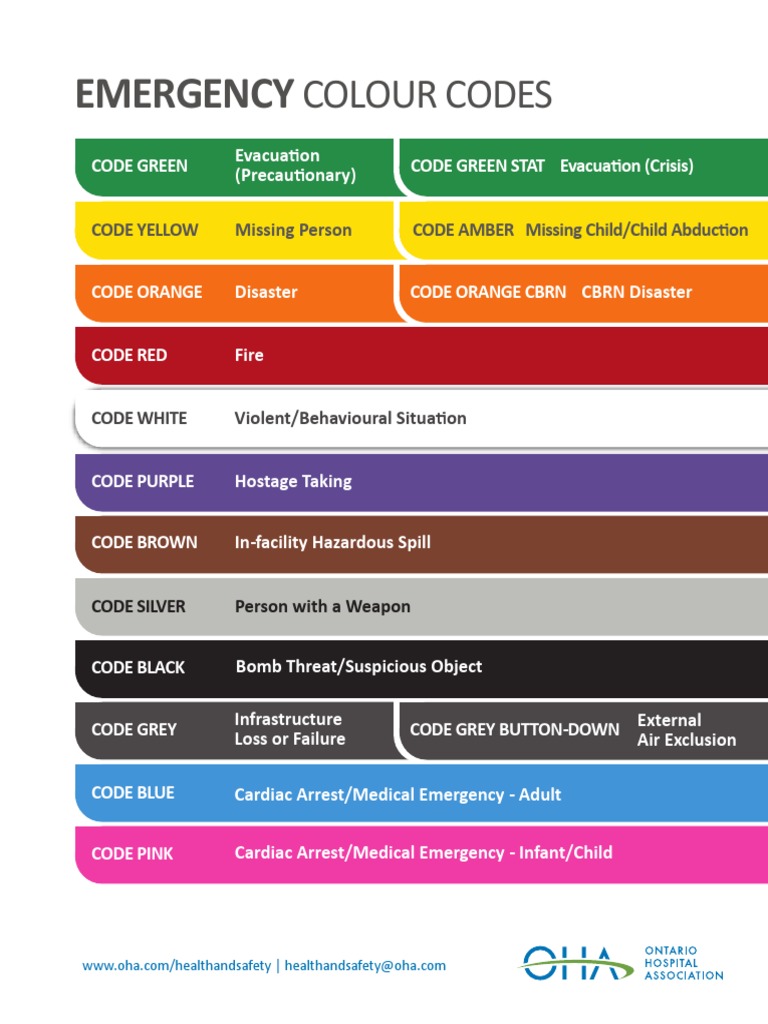
In the high-stakes milieu of a hospital, where every second counts and life hangs in the balance, emergency codes serve as a rapid communication system designed to alert staff about various situations. Among these, “Code Pink” evokes an immediate, visceral reaction. But what exactly does Code Pink signify, and why is it of paramount importance in a healthcare setting? As we embark on this exploration, let’s ponder: How does the color pink, a hue often associated with softness and compassion, correlate with a hospital emergency? Is there more than meets the eye in this Code? Let’s delve into the intricacies of emergency alerts like Code Pink, revealing the potential challenges and responses they elicit.
Understanding Code Pink
In a hospital context, Code Pink signals the abduction of an infant or a child. The very notion of a child’s safety being threatened incites a palpable sense of urgency. Hospital personnel must respond swiftly, employing specific protocols to locate and secure the child. This code underscores the vulnerability of young patients and the imperative for a coordinated response to such harrowing situations. But how are these protocols developed? What systems are in place to prevent and react to child abductions in the first place?
The Genesis of Emergency Codes
To comprehend the depth of the significance of Code Pink, we must first glance at the origin of emergency codes in hospitals. These codes emerged as a standardized language—a means to communicate quickly and concisely amidst the chaos of medical emergencies. They span a range of scenarios, from fire alerts (Code Red) to hazardous materials spills (Code Orange). Each code serves a specialized purpose, designed to elicit the appropriate response from trained personnel, minimizing confusion and maximizing efficiency.
In many institutions, a Code Pink triggers an immediate lockdown of the hospital, activating security measures to ensure a comprehensive search for the missing child. Security personnel comb the premises while medical staff are alerted to remain vigilant for any suspicious activity. The swift mobilization of resources emphasizes the inherent seriousness with which hospitals treat the possibility of child abduction.
Cultural Perceptions and Emotional Responses
Interestingly, the emotional responses surrounding Code Pink reveal much about societal attitudes towards child safety. The color pink evokes nurturing associations—think of blankets and soft toys, innocence and childhood. Yet, paradoxically, its association with such a stark emergency can elicit anxiety and fear. The challenge arises in reconciling the color’s traditional symbolism with the gravity of the situation it represents. Are we prepared to face the darker aspects of hospital care, where the sanctity of childhood is under threat?
Preventive Measures in Hospitals
As hospitals grapple with the reality of potential abductions, numerous preventive strategies have been implemented. Comprehensive training programs for staff are crucial, encompassing not only the identification of suspicious individuals but also the understanding of the protocols surrounding Code Pink. Hospitals often utilize technology such as security cameras, electronic tagging systems, and wristbands to monitor the movements of infants and children securely. The aim is not only to respond effectively if a Code Pink is called but also to prevent such situations from occurring in the first place.
Moreover, partnerships with local law enforcement enhance security protocols. These collaborations ensure a smooth integration of resources and intelligence-sharing, facilitating readiness in actual emergencies. Staff drills simulate Code Pink scenarios, honing team coordination and reinforcing the importance of communication. A robust integrated approach significantly reduces the potential for chaos when a real emergency arises.
Response Protocols: The Anatomy of Action
When a Code Pink is initiated, the response involving staff is orchestrated with precision. Typically, a designated team—comprised of security, nursing staff, and doctors—comes together to execute a search plan. Each member assumes a specific role, with tasks ranging from securing entrances and exits to conducting searches in waiting areas and outside the hospital. This division of labor fosters an organized approach to what could easily devolve into disorder.
Despite the well-structured protocols in place, there remains a psychological toll on staff involved in such emergencies. The pressure to act swiftly and efficiently can lead to significant stress. Hospitals often provide support resources, including counseling, to help staff process these experiences. After all, the emotional ramifications of a Code Pink, where the safety of a child is at stake, linger long after the code is resolved.
Lessons Learned and Future Implications
Reflecting on the effectiveness of emergency codes like Code Pink illuminates essential lessons regarding child protection in healthcare settings. It raises questions about our societal responsibility to support the vulnerable—especially children. Each Code Pink serves as a stark reminder that child safety with hospitals cannot be taken for granted. As we confront challenges in healthcare, we must continue to innovate and adapt our approaches to ensure that children are protected and cared for at the highest standard.
In conclusion, while Code Pink may initially sound like a gentle invitation—a call to embrace warmth and care—it encapsulates a crisis necessitating swift action and a unified healthcare response. The implications extend beyond the hospital walls, challenging us to remain vigilant in our collective commitment to safeguarding our most precious resource: our children. In this interplay between fear and safety, the hospital becomes a microcosm of the broader societal landscape, where the stakes of child safety are always high, yet the possibilities for hope and rescue abound.












