
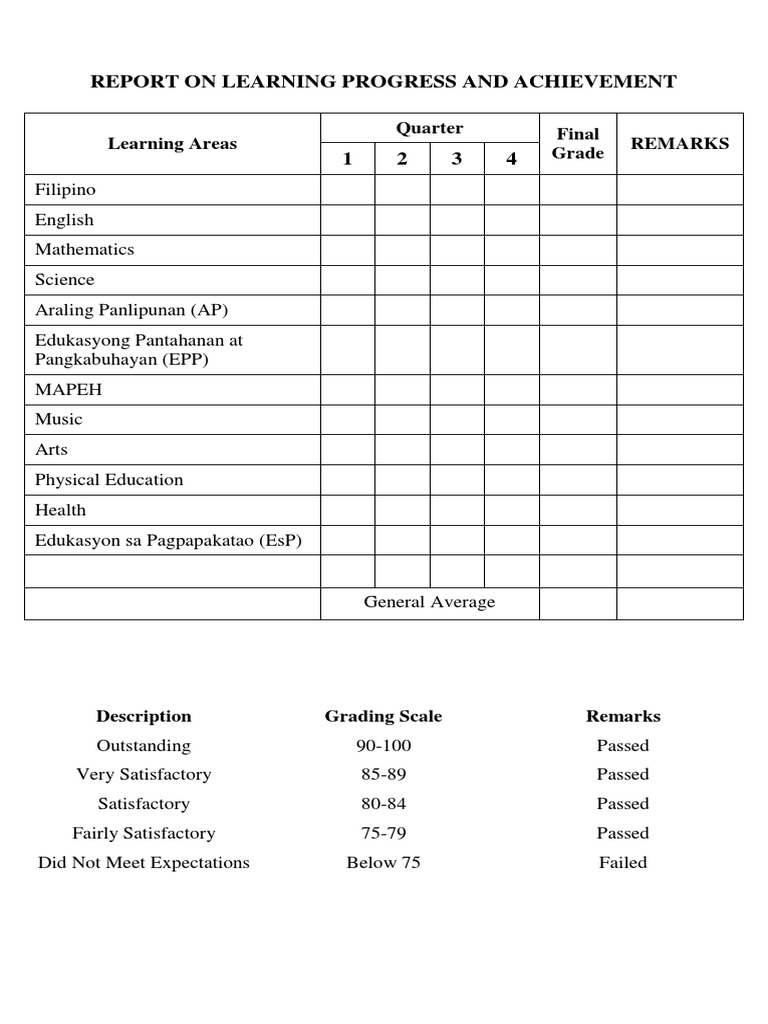
When reviewing educational benchmarks and milestone reports, terms like “Developing Learner” often surface, evoking varied interpretations among stakeholders in the academic community. The phrase embodies a nuanced understanding of a student’s journey through their educational landscape. While its definition can appear straightforward, a deeper exploration reveals layers of complexity that merit attention. What does it truly signify? This article aims to elucidate the multifaceted concept of the “Developing Learner,” shedding light on its implications in the context of education.
At the core, a “Developing Learner” indicates a student who is in the midst of acquiring vital knowledge and competencies but has not yet fully mastered the requisite skills associated with a particular grade level or learning standard. This categorization serves a dual purpose: it recognizes the student’s growth trajectory and emphasizes the ongoing nature of learning. Unlike static labels, which can pigeonhole a student, “Developing Learner” invites educators to adopt a more dynamic perspective on student abilities.
Understanding this term requires context. In recent years, the educational paradigm has shifted significantly from traditional assessment methods focused on rote memorization and standardized testing. Today, the overarching goal is to foster a more holistic view of student development, with emphasis on continuous learning and growth. This shift is rooted in the belief that intelligence and capability are not fixed traits; rather, they can flourish through experience, practice, and encouragement.
One of the most pivotal aspects of defining a “Developing Learner” lies in the recognition of specific learning milestones. Each educational stage presents unique challenges and expectations. A student labeled as a “Developing Learner” may excel in some areas while grappling with others, presenting an opportunity for customized instructional strategies. The educator’s role morphs into that of a facilitator, steering the learner through their unique path rather than adhering strictly to a one-size-fits-all methodology.
Consider the interplay between emotional intelligence and cognitive development. A “Developing Learner” often engages in this intricate dance, navigating feelings of frustration or achievement as they tackle various tasks. It is essential to understand that emotional resilience is a cardinal aspect of learning. A learner who exhibits enthusiasm, curiosity, and commitment, even while facing challenges, embodies characteristics that extend beyond mere academic success.
Beyond individual traits, the label also recognizes contextual factors influencing a child’s education. Social, familial, and economic backgrounds can profoundly impact learning experiences. For instance, a child transitioning to a new school or grappling with personal issues may not meet traditional expectations; observing them as a “Developing Learner” allows educators to acknowledge these external challenges and provide support accordingly.
Furthermore, this terminology underscores the importance of formative assessments — evaluation techniques designed to monitor student learning throughout the educational process. These assessments provide insight into a student’s evolving capabilities, validating their growth as a work in progress. Rather than solely focusing on summative assessments at the end of a term, stakeholders can glean far more useful intelligence concerning student development by employing formative practices. This approach fosters a feedback-rich environment where students can iterate upon and refine their skills continuously.
Emphasis on the “Developing Learner” concept can significantly reshape educational methodologies. It calls for inclusive curricula that accommodate diverse learning styles, fostering a classroom environment rich with adaptability. Teachers are encouraged to deploy differentiated instruction strategies to meet varying academic and emotional needs, ensuring that all learners feel seen, heard, and valued. In this light, the promise of education becomes not just about meeting standards, but igniting lifelong learners transformed by their journeys.
Moreover, embracing the notion of a “Developing Learner” allows for the identification of critical gaps in knowledge and understanding, acting as a catalyst for targeted interventions. Educators and support staff can align resources and efforts with the specific areas requiring enhancement, thereby optimizing the learning experience. When stakeholders appreciate the depth of this term, they can create a collaborative environment that empowers students and educators alike.
In the broader scheme of education reform, recognizing the “Developing Learner” contributes to creating more equitable systems. It fosters discussions surrounding diverse educational philosophies and pedagogies while challenging outdated metrics of achievement. When educators celebrate the journey rather than solely the destination, they help cultivate an intrinsic motivation within students to pursue knowledge. This thematic unity is indispensable for forging a more inclusive and empathetic educational culture.
In conclusion, the term “Developing Learner” encapsulates a rich tapestry of educational dynamics, accentuating an ever-evolving narrative of growth and exploration. It represents a pivotal perspective shift, recognizing that learning is not merely about compliance or achievement but a profound and nuanced journey. As we work collectively towards nurturing the potential of every learner, embracing the phrase—and all its implications—will catalyze a promising metamorphosis in the educational landscape. In doing so, we pave the way for future generations to thrive, informed not just by knowledge but by the power of resilience, curiosity, and transformation.












