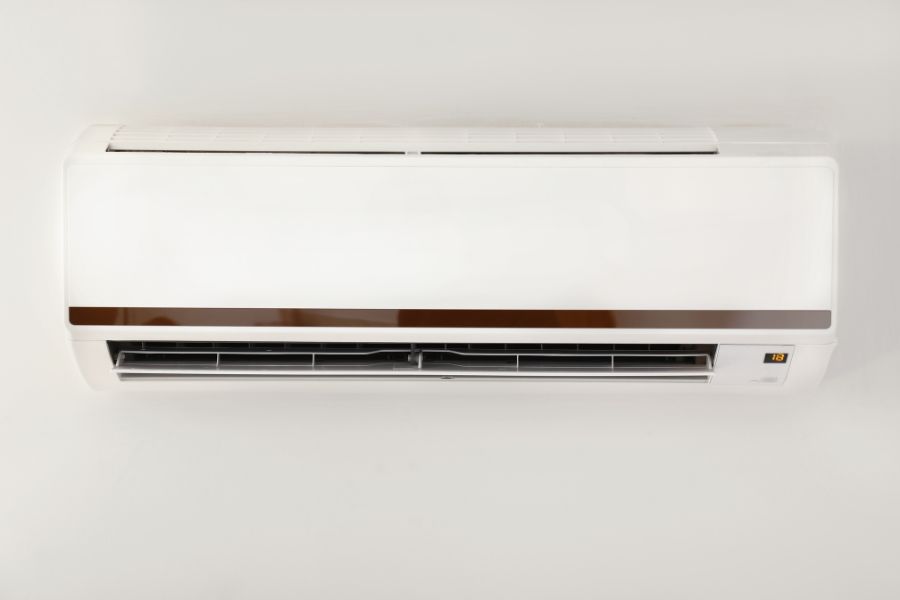
As modern society becomes increasingly cognizant of indoor comfort, air conditioners have evolved into indispensable appliances in our lives. One of the often-overlooked yet vital features of an air conditioner is the “Dry” mode. While most people are familiar with the standard cooling and heating functions, understanding the significance of the Dry mode offers a fresh perspective on how to optimize home comfort and ensure efficiency. This article explores the mechanics, benefits, and misconceptions surrounding the Dry mode of an air conditioner, promising to illuminate an often-misunderstood aspect of this household staple.
1. The Fundamentals of Air Conditioning: A Quick Overview
Before diving into the intricacies of Dry mode, it’s essential to grasp the basic functioning of an air conditioning unit. At its core, an air conditioner operates by transferring heat from indoors to the outdoors, utilizing a refrigerant that absorbs and releases heat as it cycles through different states. The ability to control humidity is a significant aspect of this process, leading us directly to the Dry mode.
2. What Is Dry Mode?
Dry mode is a specific setting on many air conditioning units that prioritizes dehumidification over cooling. Unlike standard cooling mode, which actively lowers temperature while maintaining humidity levels, Dry mode primarily focuses on reducing moisture in the air. This is particularly beneficial in regions with high humidity, where muggy conditions can create discomfort despite moderate temperatures.
3. How Dry Mode Works: The Mechanical Magic
In Dry mode, the air conditioner employs a modified operating mechanism. The compressor cycles on and off less frequently than in cooling mode, allowing the evaporator coils to remain colder for a more extended period. As air passes over these coils, excess moisture condenses and collects in a drainage pan, effectively lowering humidity levels while gently cooling the air. This nuanced orchestration mitigates the heavy, clammy feeling often associated with high humidity.
4. When to Use Dry Mode
The timing and conditions under which to utilize Dry mode are crucial for maximizing its benefits. Ideal scenarios include:
- High Humidity Days: When outdoor humidity levels are elevated, using Dry mode can enhance indoor comfort by removing excess moisture.
- Transition Seasons: During spring and fall, when temperatures fluctuate but humidity remains high, this mode can stabilize the indoor atmosphere.
- Post-Precipitation: After rainfall, when ambient humidity lingers, switching to Dry mode can help alleviate that pervasive damp sensation.
5. The Benefits of Using Dry Mode
Utilizing Dry mode comes with a plethora of benefits that contribute to a more comfortable living environment:
- Improved Comfort: By lowering humidity levels, Dry mode can improve perceived temperature, making spaces feel cooler without significantly dropping the temperature.
- Energy Efficiency: Dry mode typically uses less energy than standard cooling mode, translating into cost savings on utility bills. The reduced compressor activity conserves electricity while still enhancing indoor conditions.
- Mold and Mildew Prevention: High humidity can foster mold growth and create musty odors. By reducing moisture, Dry mode plays a crucial role in maintaining indoor air quality.
- Protecting Furnishings: Wood furniture and flooring, as well as other materials susceptible to warping due to excess moisture, benefit from the stable environment Dry mode helps create.
6. Misconceptions Surrounding Dry Mode
Despite its advantages, Dry mode is often shrouded in confusion and misinformation. It is crucial to dispel some common myths:
- Not a Cooling Mode: Many assume that Dry mode is simply a less effective cooling mode. However, its primary function is moisture reduction, which can lead to enhanced comfort even without significant temperature drops.
- Not for All Conditions: Some users believe they can solely rely on Dry mode during sweltering heat. While it mitigates humidity, extreme temperatures may still necessitate traditional cooling.
- Limited Usage: There is a belief that Dry mode can only be used during specific months. In reality, it can be advantageous in any season, depending on humidity levels.
7. How to Enable and Optimize Dry Mode
Activating Dry mode usually involves a simple adjustment on your remote or thermostat. However, for optimized performance, consider the following tips:
- Set the Temperature Wisely: Combine Dry mode with temperatures slightly above your usual settings to ensure comfort without overworking the unit.
- Regular Maintenance: Keep air filters clean and ensure drainage systems are unobstructed to maximize efficiency.
- Complement with Natural Ventilation: If conditions permit, open windows during cooler times to allow fresh air in while utilizing Dry mode for added comfort.
8. Conclusion: A Transformative Perspective
The Dry mode of an air conditioner is not merely an auxiliary feature; it represents a critical facet of maintaining indoor comfort. By understanding its mechanics, benefits, and when to utilize this setting, homeowners can revolutionize their environments, fostering a sanctuary that balances temperature and humidity effortlessly. As we endeavor to cultivate optimal living spaces, embracing the nuances of each AC mode can lead to significant improvements in both comfort and well-being. So, the next time the humidity rises uninvited, consider inviting the Dry mode to the rescue. Your senses will thank you.