
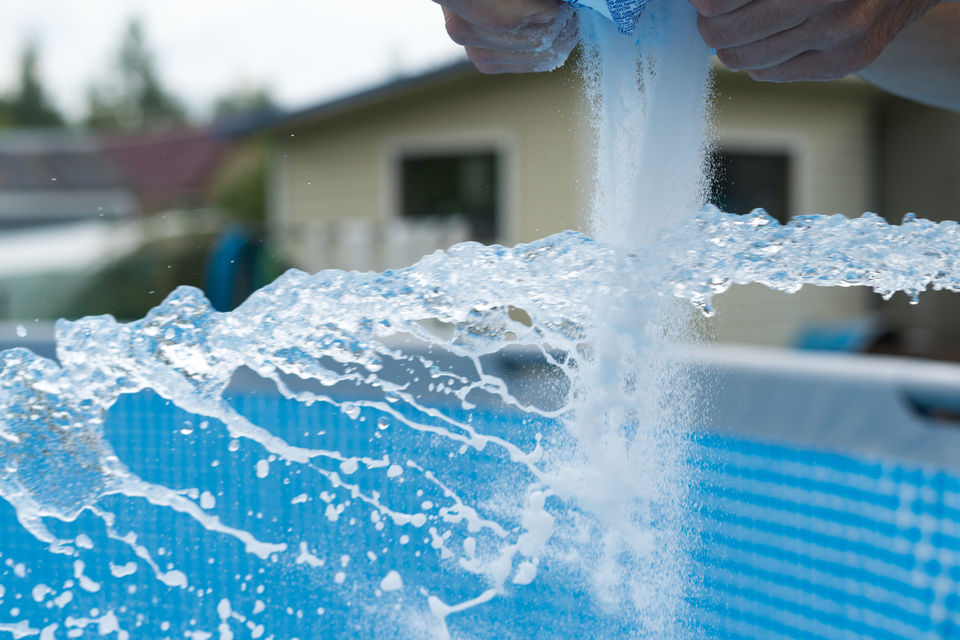
Maintaining a pristine swimming pool requires diligence and an acute awareness of its chemical balance. While most pool owners are familiar with chlorine levels and pH balance, the significance of salt levels often goes unnoticed. When elevated, salt levels can lead to a myriad of complications and pose questions about the overall health of your aquatic paradise. This article delves deeply into what a high salt level in a pool means and explores the intricate dynamics of this often-overlooked aspect.
The Basics of Salt in Pools
Salt has become an indispensable component of many modern swimming pools, especially those utilizing saltwater chlorination systems. In these pools, a salt cell generates chlorine by electrolyzing dissolved salt in the water. Typically, the ideal salt concentration for such systems hovers around 2,700 to 3,500 ppm (parts per million). However, when levels escalate beyond this threshold, the implications become noteworthy.
Signs of Excessive Salt Levels
One of the first indicators of high salt levels is often an observable decline in water clarity. As salt concentration rises, the water may appear cloudy, leading to a less-than-inviting swimming environment. Additionally, swimmers may experience skin irritation or an uncomfortable sensation upon entry into the pool, which can deter even the most enthusiastic bathers. Furthermore, a noticeable salty taste can occur, prompting questions about the water’s suitability for enjoyment.
Potential Consequences of High Salt Levels
Elevated salt levels may induce various adverse effects that affect not only swimmers but also the pool infrastructure. The increased salinity can accelerate corrosion in standard metallic components, such as ladders, railings, and pumps, leading to degraded functionality over time. Additionally, salt crystals may deposit on surfaces, causing unsightly stains and making maintenance an arduous task.
Moreover, a high concentration of salt can inhibit the effectiveness of chlorine levels. Ironically, while chlorine is often produced via the disassociation of salt, excessive salt can compromise the chemical reaction, leading to inefficient sanitation. Consequently, pool water may not be as hygienic as intended, which can invite algae blooms or harmful bacteria, negating the entire purpose of sanitation efforts.
Understanding the Science Behind Salinity
The phenomenon of high salt levels in a pool is rooted in basic chemistry. Salt (sodium chloride) dissolves in water, and its concentration directly affects the osmotic balance within the aquatic ecosystem. When salt levels escalate, they can disrupt the physiological balance that aquatic life, including any introduced fish or plants, depend upon for survival. Furthermore, the elevated salinity can induce stress responses in living organisms, thus impacting the overall harmony of the pool environment.
Testing and Monitoring Salt Levels
To effectively manage salt levels within a pool, regular testing is indispensable. Salt test strips or electronic salt testers can provide quick readings, ensuring that the concentration remains in check. Establishing a routine testing schedule, perhaps weekly during peak swimming season, can help mitigate potential issues before they escalate. In cases of consistently high readings, it may be prudent to consult a professional pool technician for tailored advice.
Correcting High Salt Levels
If salt levels inadvertently climb too high, corrective measures become imperative. The most straightforward approach involves dilution – simply adding fresh water to the pool can effectively lower salinity. This method, while simple, requires consideration of the pool’s total water volume and the desired salt level for the most efficient results.
In more severe cases, it may be necessary to remove water from the pool and replace it with fresh supplies. However, this solution may be resource-intensive, especially for larger pools, and can strain water supply if access is limited. Sometimes, inspecting the salt chlorinator for issues may reveal an internal malfunction that causes salt levels to rise unnecessarily, warranting immediate repair or replacement.
Preventative Measures
Taking proactive steps can assist in preventing excessive salt accumulation. Regular maintenance of saltwater chlorinators, including periodic cleaning and inspection, plays a crucial role. Furthermore, monitoring weather conditions can help. For instance, heavy rainfall can naturally dilute salt levels, prompting a need for more diligent testing afterward. Additionally, avoiding the addition of unnecessary salt during water top-offs or balance adjustments helps maintain equilibrium.
The Broader Perspective
The intricacies of salt levels in pools hint at a larger narrative within pool management. These systems symbolize a delicate balance between nature and controlled environments. The salty ecosystem is not just a unique swimming experience; it reflects an ongoing interaction between technology and nature, inviting pool owners to engage with their pools as living systems that require care and attention. Maintaining the perfect salt level enables a harmonious coexistence of recreational enjoyment and responsible stewardship.
In conclusion, understanding the implications of high salt levels in swimming pools unveils a fascinating interrelationship among chemistry, health, and maintenance. By recognizing the signs, consequences, and preventative measures associated with elevated salt levels, pool owners can enhance their aquatic spaces for every swimmer to relish. This knowledge not only fosters a healthier swimming environment but also encourages a more profound appreciation for the sophisticated systems that underpin our beloved pools.












