
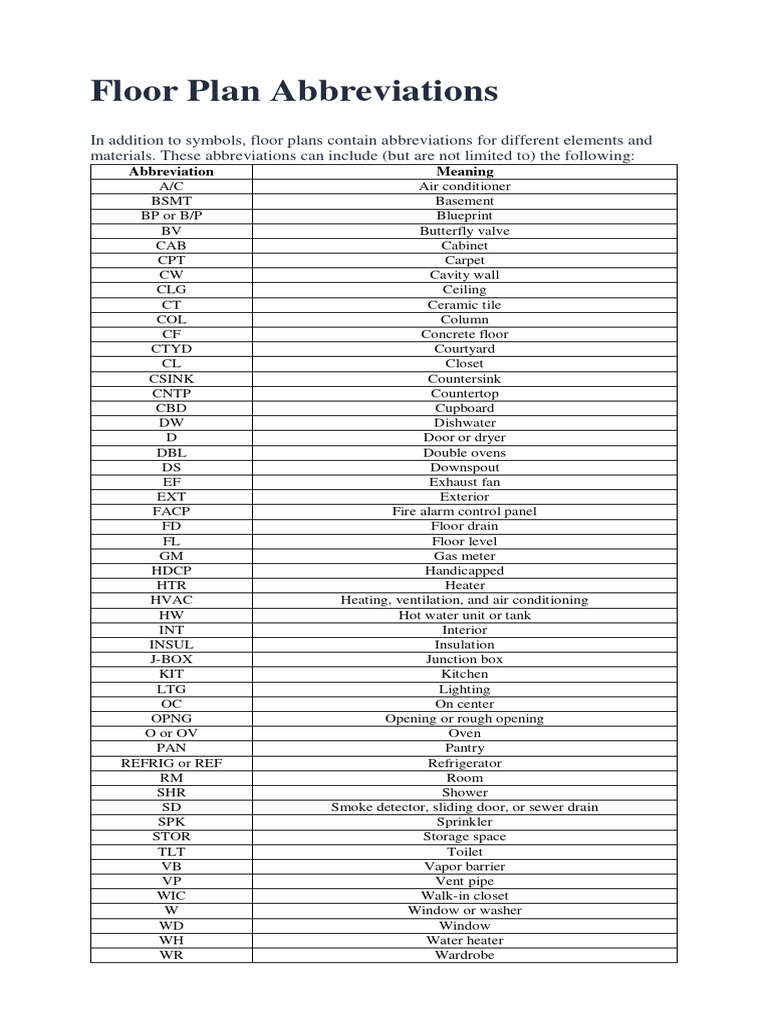
When diving into the world of architectural design and real estate, one comes across a plethora of jargon and abbreviations that can leave even seasoned professionals scratching their heads. Among these, the term “116 AFF” often emerges, especially in discussions surrounding floor plans. To truly understand what this expression signifies, we must first dissect the components of the abbreviation itself, and then explore its implications within the realms of architecture and real estate.
Firstly, let’s break down “116 AFF.” The number “116” typically refers to a measurement, and when accompanied by “AFF,” it translates to “Above Finished Floor.” This term denotes a specified height or elevation in relation to the finished floor surface—essentially providing critical information about the vertical positioning of various elements within a building’s design. Understanding AFF measurements is imperative when interpreting blueprints or architectural diagrams since it highlights the precise placement of fixtures, furniture, and even structural components.
But why does this distinction matter? The measurement of 116 AFF can pertain to various installations, such as electrical outlets, cabinetry, or even windows. Each elevation serves a specific purpose, tailored to functionality, comfort, and even aesthetic appeal. For example, a light switch is typically positioned at an accessible height above the finished floor. If a contractor or planner identifies a switch at 116 AFF, this height can make a significant difference in usability, particularly for those with varying physical capabilities.
In the realm of real estate, understanding these measurements becomes equally crucial. Homebuyers and investors, when analyzing specifications for a property, often encounter myriad abbreviations that can affect the perception and functionality of a space. By decoding “116 AFF,” one can gauge whether a home meets their needs, especially in terms of accessibility and layout efficiency.
Moreover, the concept of “Above Finished Floor” transcends mere numbers; it inspires an appreciation for the meticulous craft of architectural design. Each elevation chosen is a deliberate decision influenced by aesthetics, spatial orientation, and ergonomics. It reflects an architect’s vision to create environments that enhance the human experience. The intricacies involved in these choices can be a source of fascination. Why do designers position a countertop at this particular height, or why are railings set at that elevation? The answers require considerations of form, function, and the interactions between structure and its inhabitants.
Another intriguing aspect of “116 AFF” lies in its implications for building codes and regulations. Different regions or municipalities may have specific requirements regarding height measurements, catering to various safety standards. For instance, in a commercial setting, the positioning of fire alarms, emergency lighting, and evacuation signage is dictated by codes to ensure that they are visible and accessible. Thus, “116 AFF” is not just a figure—it embodies compliance with safety regulations that protect individuals within a space.
The fascination with floor plan terminologies, including “116 AFF,” also reveals a broader narrative about how contemporary society interacts with architectural spaces. In an era where customization and personalization in living and working environments have become paramount, understanding the underlying principles of measurements encourages individuals to engage more critically with their surroundings. Whether one is selecting a furniture arrangement or pondering a renovation, recognizing the significance of these terms inspires decisions that enhance both functionality and comfort.
In addition to residential applications, commercial properties frequently leverage specific AFF measurements to optimize the way businesses operate. Retail spaces, for example, may feature product displays or signage that are purposefully positioned at 116 AFF to maximize visibility and accessibility for customers. This strategic placement assists in capitalizing on consumer behavior while creating an inviting atmosphere that encourages lingering and exploration.
It is also worth noting that with the advent of smart home technology, the implications of “116 AFF” have evolved. As the integration of IoT devices becomes increasingly commonplace, the height at which these devices are installed can dramatically affect their efficacy. A smart thermostat, placed strategically at 116 AFF, can better perceive the ambient temperature of a room and thus provide a more accurate reading—illustrating yet another layer of significance behind this seemingly simple abbreviation.
Furthermore, the intricacies of “116 AFF” can be explored through the lens of design psychology. Research indicates that the spatial arrangement of objects within a given environment can profoundly influence our emotions and behaviors. When architects and designers consider “116 AFF” for elements such as artwork or adornments, they are not just creating visually appealing spaces; they are consciously crafting experiences that evoke feelings of comfort, tranquility, or excitement. This nuanced understanding of human interaction with spatial design contributes to the deep-seated allure of architectural vernacular.
As we navigate the complexities of modern architecture and real estate terminology, “116 AFF” serves as a gateway into a realm enriched with purpose and thoughtfulness. It encapsulates a breadth of considerations from functionality to compliance, intertwining architectural norms with human experience. By unraveling this abbreviation, we uncover not merely a measurement but an invitation to delve deeper into the world around us—an exploration of how our environments can influence our daily lives, aspirations, and well-being.












