
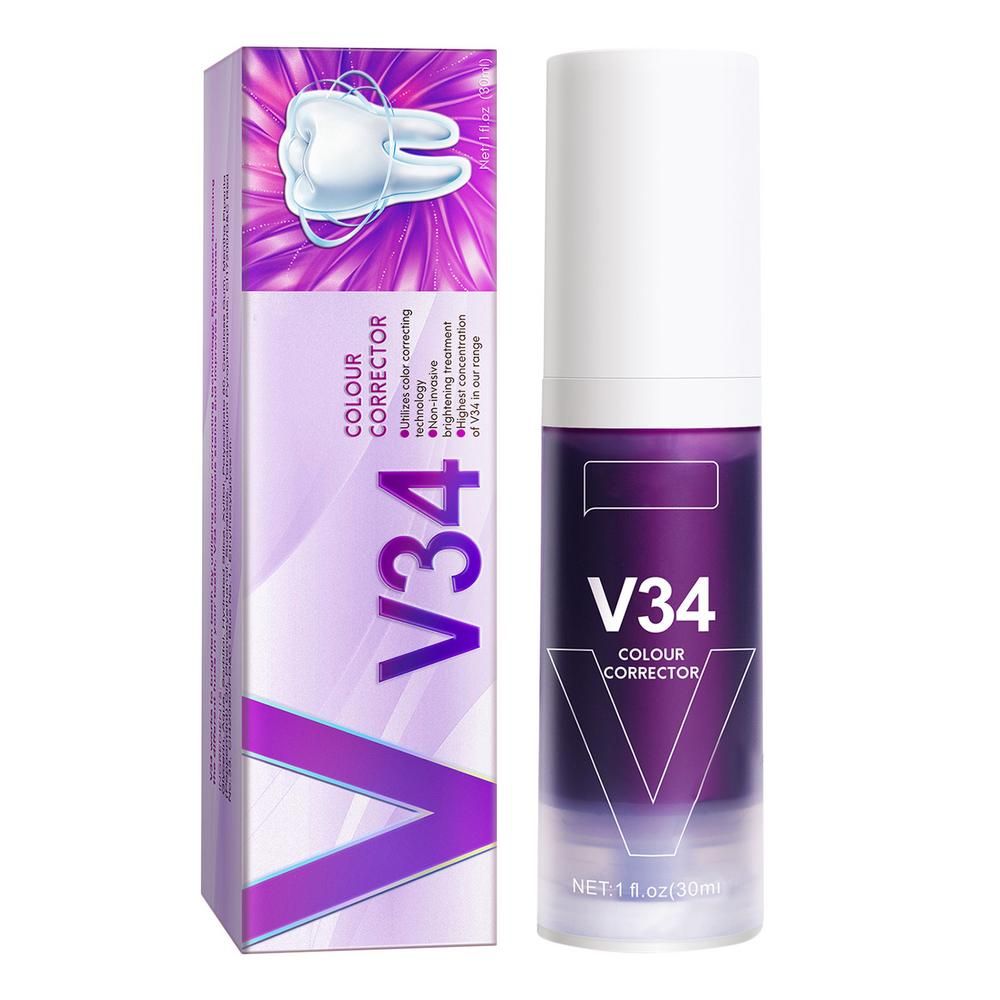
Whitening strips have revolutionized the cosmetic dentistry scene, providing a convenient and accessible option for individuals yearning for a brighter smile. However, as with any innovative product, they come with various levels and formulations. One term you might encounter is “Level 34.” But what does Level 34 mean on whitening strips, and why should it matter to you? Let’s delve into the depths of teeth whitening, unraveling the mystery and uncovering key insights related to oral care.
Understanding Whitening Strips
Whitening strips are thin, flexible pieces of plastic coated on one side with a whitening gel that contains peroxide. This gentle yet effective substance breaks down stains and discoloration accumulated on the enamel, inherently lightening the teeth over time. They typically feature varying intensity levels that cater to individual needs and sensitivities.
Decoding Levels: What Do They Indicate?
In the realm of teeth whitening, levels might refer to the concentration of the active whitening agent or the efficacy of the product. This means that a “Level 34” designation could indicate either a specific concentration of hydrogen peroxide or carbamide peroxide, or it might be an arbitrary scale developed by a brand to denote how aggressively the strips whiten teeth.
So, does Level 34 signify an ultra-powerful whitening treatment? Or is it just a catchy marketing term? Understanding the specifics is essential before jumping in — after all, a brighter smile might come with significant challenges, such as tooth sensitivity or gum irritation.
The Science Behind Whitening
To comprehensively appreciate the implications of a Level 34 tag, it is crucial to grasp how these whitening agents operate at a chemical level. The primary function of peroxide is to penetrate the porous enamel surface of your teeth, where it reacts with the chromogens that cause smiles to dull. During this process, oxygen molecules are released, effectively lifting the stains and giving you that much-desired brightness.
Furthermore, each level of whitening commonly correlates with the duration and frequency of application. Higher levels may necessitate longer or more frequent use, amplifying the risk of adverse effects. Therefore, the potential for sensitivity and the need for aftercare play pivotal roles in choosing a whitening strip.
Benefits of Higher Level Strips
For those wanting instantly noticeable results, high-level strips can be appealing. Here are some key benefits they may offer:
- Quick Results: The higher the level, the more concentrated the active ingredient, often delivering radiantly white teeth in a fraction of the time.
- Stubborn Stain Tackling: Those battling intrinsic stains may find that higher levels are more effective in combating gray or yellow undertones.
- Convenience: Rapid applications bolster user compliance, making it simpler to integrate into a busy lifestyle.
Potential Drawbacks of Higher Levels
Nevertheless, the notion of Level 34 should be approached with caution. High levels of peroxide can lead to a myriad of issues, particularly:
- Increased Sensitivity: A common side effect of higher peroxide concentrations, this can leave users with uncomfortable discomfort while consuming hot or cold foods and beverages.
- Gum Irritation: Extended exposure to peroxide can cause inflammation in the gum line, straying into an apothem of dental woes that might require additional care.
- Overuse Risks: The pursuit of perfection might lead some to overuse high-level strips, risking enamel erosion over time.
What to Consider When Choosing Whitening Strips
Determining whether the Level 34 whitening strips are suitable for you hinges on several critical factors:
- Existing Dental Health: Prior to beginning any whitening regimen, it’s prudent to consult with a dental professional. Good candidates possess healthy enamel and no underlying dental issues.
- Desired Outcome: If subtle whitening is your goal, consider starting with lower levels to gauge sensitivity and be mindful of the long-term effects on your dental health.
- Commitment to Aftercare: Invest in enamel-strengthening toothpaste and consider incorporating fluoride treatments following the whitening process to mitigate any damaging effects.
The Role of Aftercare in Whitening
Aftercare plays a monumental role in ensuring not just a bright smile, but also the health of your teeth. Post-whitening, your teeth may be vulnerable, and adopting preventive measures will nurture your foray into whitening. Proper oral hygiene practices – brushing, flossing, and rinsing with a non-abrasive mouthwash – should become your new normal.
Final Thoughts
Level 34 whitening strips can encapsulate both the excitement of achieving a brilliant smile as well as the lurking challenges that come along with high-intensity whitening. The allure of instant results may tempt you to dive in headfirst. However, it is imperative to approach with knowledge and caution. The delightful prospect of a luminously radiant smile should not transpose into unforeseen sensitivity or dental complications. As you venture into the world of teeth whitening, pay heed to your dental health first, and consult with professionals to make informed, responsible choices.












