
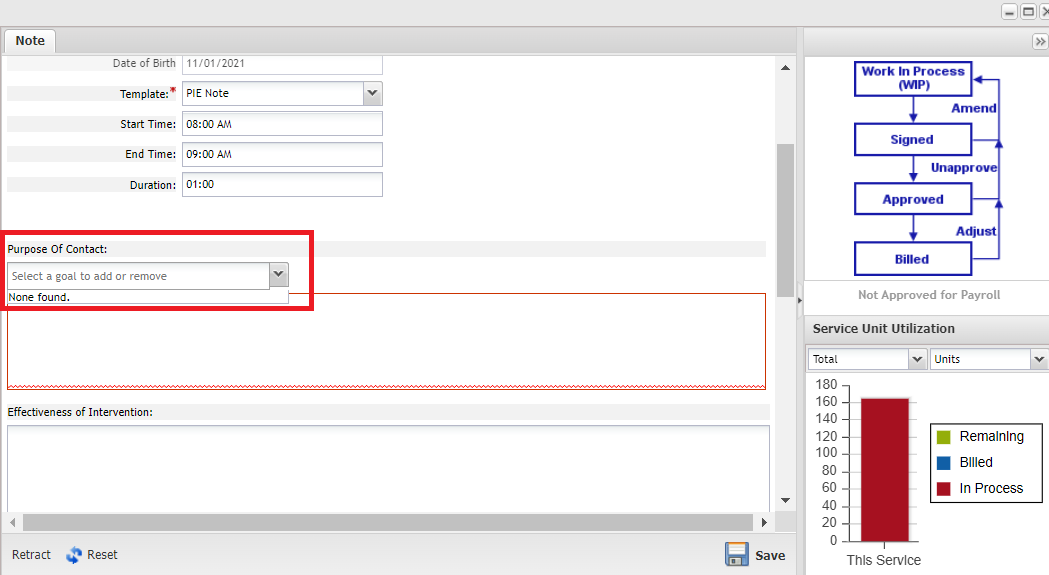
In an increasingly digital world, encountering error codes is part and parcel of our interactions with technology. One such enigmatic code is “Target Nullcandidatejillstaron C000363374.” It flashes onto screens at the most inconvenient moments, leaving users puzzled and frustrated. To better understand this specific error code, we must dissect its components, explore its implications, and consider the broader context of technology error messages.
To begin, let us unravel the nomenclature of the error code itself. The term “Target” typically indicates a location or an intended endpoint within a digital framework. Whether it’s a software application, a database, or an online service, “target” suggests that the system is attempting to reach a specific destination or function. The numeral sequence “C000363374” could represent a unique identifier, akin to a fingerprint for this particular error. The prefix “Nullcandidatejillstaron” adds a layer of intrigue, hinting at a more complex underlying issue.
The use of the term “null” is particularly revealing. In programming, “null” signifies a lack of value or an absence of data. It can occur when a requested resource is not found or when a process fails to return the necessary information. This part of the error code suggests that the system is encountering an unexpected void, leading to operational failure. With this in mind, one can infer that “Nullcandidatejillstaron” may refer to a missing candidate or a failed process related to the task at hand.
As we delve deeper, it becomes essential to examine what may trigger such a cryptic error. Anomalies like “Target Nullcandidatejillstaron C000363374” may arise during moments of software misconfiguration. When applications lack the required data or if dependencies are missing, this error can materialize. System updates, changes in data formatting, or even the integration of new features can also instigate such glitches.
Another potential cause lies in user interaction. Missteps during input processes, such as entering incorrect data, can lead to error occurrences. Users inadvertently might summon these messages when engaging with complex systems, particularly in e-commerce, software development, or data management platforms. For instance, if a user is attempting to retrieve data concerning a product listing but misinterprets the required parameters, the system may respond with the “Nullcandidatejillstaron” error, reflecting its inability to locate the necessary assets.
Furthermore, understanding the context in which this error arises is key. Many technology platforms operate on extensive data-driven frameworks. Underneath the surface, databases teem with records, interconnections, and algorithms designed to facilitate seamless user experiences. An error such as “Target Nullcandidatejillstaron C000363374” serves as a warning that something has disrupted this intricate web. This raises the question: what larger issues are hinted at by the mere existence of such error codes?
One intriguing contemplation revolves around the nature of modern software development. As systems grow ever more intricate, the probability of encountering errors escalates. Developers must strike a delicate balance between adding new features, refining existing ones, and ensuring robust user interfaces. When this equilibrium is disturbed, unforeseen glitches can emerge, often represented by cryptic error codes manifesting visible user frustrations.
In addition, such technical failures underscore the reality of the reliance on technology in contemporary society. Users expect seamless navigation through digital experiences; when errors arise, it shakes the foundations of user trust. Understanding error codes thus becomes essential not only for troubleshooting but also for grappling with the frustrations stemming from technological interactions.
As we venture into a culture increasingly bound by algorithmic processes and data management, the fascination with error codes reflects a broader uncertainty about our digital dependencies. Each cryptic error message serves as a reminder that even the most sophisticated systems can encounter pitfalls, leading us to consider how we interact with technology. What happens when our tools falter? It beckons questions about our adaptability, patience, and the inherent complexities of the digital age.
In closing, “Target Nullcandidatejillstaron C000363374” is not merely a coding anomaly; it is a snapshot of the intricacies of digital technology and the expectations placed upon it. Understanding why such errors occur can foster a greater appreciation for the underlying systems at play while equipping users with the knowledge to navigate their technological environments with confidence. As we shine a light on the nature of error codes, we illuminate the intricate dance between human users and the invisible algorithms shaping our digital lives.
In summary, when faced with enigmatic error messages like “Target Nullcandidatejillstaron C000363374,” it is essential to adopt a comprehensive perspective. Delving into the components of the error reveals the inherent complexity and interconnectedness of modern digital systems. By recognizing the mechanics at play, users can gain not only clarity in solving issues but also a sense of agency in their digital interactions.












