
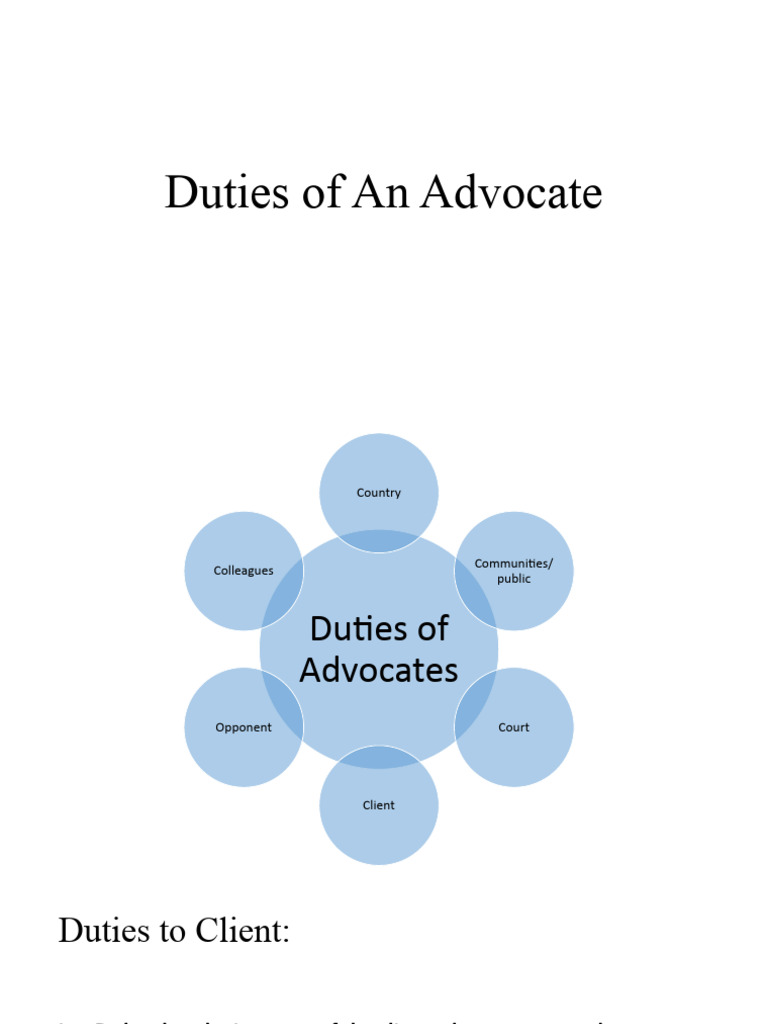
In the world of law, the role of a client’s advocate transcends the mere act of representation; it embodies the very essence of loyalty, trust, and strategic guidance. Being tasked with such a mantle means navigating the often murky waters of legal challenges while steadfastly championing the interests of the client. To truly grasp what it means to be a client’s advocate, one must delve into the multifaceted responsibilities, challenges, and rewards inherent in this pivotal role.
The Foundation of Advocacy: Understanding the Role
An advocate stands at the confluence of law and human experience, intertwining legal expertise with the emotional dimensions of client interactions. This role is akin to that of a seasoned mariner, skillfully steering a ship through treacherous seas. The advocate is not just a navigator but also a protector, ensuring that the client’s journey toward resolution is safe and informed. At its core, effective advocacy hinges on an intricate understanding of the law, the ability to communicate clearly, and an unyielding commitment to serving the client’s best interests.
Empathy: The Heart of Advocacy
Empathy is perhaps the most vital asset in an advocate’s toolkit. It allows the advocate to not only understand the legal plight of the client but also to connect with them on a human level. This connection cultivates trust, which is crucial for a fruitful relationship. Just as a skilled therapist listens attentively to uncover the emotional nuances behind a client’s concerns, an advocate must engage empathetically to grasp the full context of their legal situation. This deep relational foundation enables advocates to craft tailored strategies that resonate personally and legally with their clients.
Strategic Insight: Crafting a Path Forward
Once the foundation of empathy is established, the next phase is strategy formulation. An advocate must employ a keen analytical mind, dissecting the elements of a case, and forecasting potential outcomes. This requires an understanding of various legal frameworks, as each case is distinct, akin to mastering different dialects within the same language. A well-considered strategy not only addresses immediate concerns but also anticipates future developments, preparing the client for what lies ahead. This foresight can make the difference between a favorable settlement and prolonged litigation.
Navigating Legal Complexities: Expertise in Action
The legal landscape is exquisitely complex and ever-evolving, presenting myriad challenges to those untrained in its intricacies. An advocate acts as a beacon of light amidst this complexity, illuminating the path forward. They must be well-versed in court procedures, legal norms, and specific regulations pertaining to the client’s situation. Each legal term is a stepping stone, and every piece of legislation a vital tool in the advocate’s arsenal. The proficiency with which an advocate navigates these elements dramatically influences the client’s experience, ensuring reassurance in an often daunting system.
Communication: The Art of Persuasion
Effective communication is paramount. An advocate must possess the eloquence of a bard, weaving narratives that encapsulate the essence of the case while persuading judges, juries, or opposing parties. This skill involves not just verbal dexterity but also the ability to listen attentively, synthesizing information respectfully and articulately. Every word holds weight, and clarity can alleviate misunderstandings that might hamper progress. Additionally, an advocate must communicate regularly with clients, offering updates and insights, ensuring they remain informed and engaged throughout the entire process.
Ethical Considerations: The Moral Compass
Ethics form the bedrock of advocacy. The advocate is bound by codes of conduct that prioritize integrity, confidentiality, and loyalty to the client. This moral compass guides decisions and actions, ensuring that while fervently advocating for a client, the lines of legality and ethics are neither blurred nor crossed. The advocate must balance zealous representation with a commitment to upholding the law, navigating dilemmas that may arise with discernment and honor. This adherence to ethical standards enhances not only the advocate’s credibility but also the client’s confidence.
Challenges Faced by Advocates: The Tempest of Trials
Despite their formidable skills and resources, advocates encounter myriad challenges that can test their mettle. From opposing counsel’s tactics to unexpected legal twists, navigating these obstacles requires resilience and ingenuity. Advocates often face immense pressure; they carry clients’ hopes on their shoulders while managing their own professional stresses. The path may be fraught with uncertainty, but it is precisely within these trials that advocates can shine, utilizing their resourcefulness to devise solutions that ultimately benefit their clients.
Conclusion: The Transformative Impact of Advocacy
To be a client’s advocate is to embark on a profound journey marked by commitment, strategy, and ethical integrity. This role is not merely about legal acumen; it is about building bridges between law and the human experience. As advocates navigate intricate legal waters, they empower clients, instilling hope and imparting knowledge that transforms their understanding of the legal system. Ultimately, a client’s advocate serves as both a guardian and a guide, leading individuals toward justice with unwavering determination and unparalleled dedication.












