
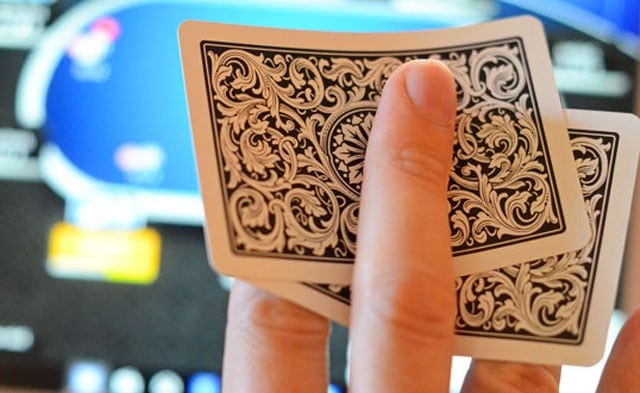
In the high-stakes realm of poker, where every decision can tilt the balance between fortune and failure, the concept of folding fast resonates deeply. This strategic maneuver can be likened to the decisive stroke of an artist’s brush—swiftly striking away the canvas’s excess to reveal an emerging masterpiece. Folding fast transcends mere relinquishment of cards; it embodies a philosophy steeped in discipline and foresight. Understanding this concept requires deciphering its intricacies, exploring the reasons behind it, and grasping the strategies that elevate it.
When we delve into the heart of folding fast, it becomes evident that it is not simply about discarding inferior hands. Rather, it represents a keen awareness of the game’s fluid dynamics. In poker, the tempo is akin to a symphony; players dance through rounds, adjusting their strategies as they perceive the evolving landscape at the table. Folding quickly aligns with the tempo, allowing players to conserve their resources while maintaining an air of poise.
Imagine standing on the edge of a precipice, the wind howling around you, the ground shifting beneath your feet; this is the emotional turmoil often faced at the poker table. To fold fast is to acknowledge the chaos and act with clarity. It is about recognizing when to cut losses before the storm engulfs your stack of chips. It is an art rooted in the sagacity of situational awareness, an intuition refined through experience.
Reasons for Folding Fast
There are myriad reasons to embrace the fold. Some players may cling to hope, envisioning a glorious comeback with a mirage of hope. However, folding fast can be likened to a skilled fisherman—knowing when to let go of a catch before it tangles the line. Here are several key reasons to fold quickly:
- Poor starting hands: When dealt unsatisfactory cards, swift action can save chips for more promising opportunities. The value of a strong starting hand is paramount, and hesitation in folding can lead to unflattering outcomes.
- Position imbalance: Position in poker often dictates a player’s strength relative to their opponents. Folding fast when out of position can prevent unfavorable clashes that drain your chip count.
- Reading the table: Learning to read your opponents effectively is essential. If you detect aggression or confidence that suggests someone has a stronger hand, folding without delay can preserve your bankroll.
- Tight versus loose dynamics: In a tight game, an aggressive play from a key opponent may signal danger. Conversely, in a loose setting, folding fast indicates a tactical retreat, revealing that preserving resources can be more advantageous than chasing losses.
- Re-evaluating odds: The landscape of poker is fraught with mathematical probabilities. If the pot odds become unfavorable, it’s prudent to fold swiftly, thereby minimizing potential losses.
Strategic Insights for Fast Folding
Now that we’ve explored the reasons behind the fold, let’s chart a course for effectively integrating fast folding into your strategic repertoire. Here are several principles that exemplify the tactical finesse of this approach:
- Emotional detachment: The ability to detach emotionally from individual hands is fundamental. Each hand represents a mere moment in an expansive game. By cultivating a mindset untethered from the anxieties of losing, you can facilitate faster, more rational decisions.
- Establish strong playing fundamentals: A solid grasp of poker fundamentals allows players to recognize when their hands are untenable. This foundation instills confidence in making rapid folding decisions, carving out space for superior gaming strategies.
- Utilize position masterfully: Understand the significance of position at the table. Embrace the power of folding quickly when placed in a precarious spot, allowing you to re-strategize and capitalize on better positions in the following rounds.
- Practice aggression wisely: While fast folding can be prudent, maintaining an aggressive posture when the circumstances call for it enhances the element of surprise and could exploit your opponents’ predictability.
- Reflect and adapt: Analyze your folding decisions post-game. Evolution is the hallmark of success in poker, and reflecting on your speed of folding during specific hands helps fine-tune your overall strategy.
The Paradox of Fast Folding
One might argue that folding fast could, paradoxically, result in missed opportunities—a double-edged sword, indeed! In certain scenarios, particularly during tournaments with escalating blinds, the fear of folding can overshadow the rational decision-making process. However, here lies the irony: embracing fast folds does not inhibit potential; instead, it liberates you from unnecessary risks. Just like a sculptor chisels away excess stone to reveal the form beneath, folding fast allows players to carve their path towards victory without encumbering themselves with needless weights.
Conclusion: The Dance of Decisions
In the riveting theatre of poker, where players skillfully weave their strategies like seasoned performers, fast folding plays an integral role in mastering the game. It is both a psychological mechanism and a tactical tool, illuminating paths toward success that many players overlook. The boldness to accept losses and fold swiftly is not simply an action; it is a testament to a player’s acumen and emotional intelligence.
Ultimately, mastering fast folding is akin to learning a dance; it requires patience, practice, and an understanding of rhythm. By integrating this strategy into your gameplay, you will not only safeguard your chips but also embody the essence of a calculated player—one who dances gracefully through the trials of poker, ever prepared for the next hand that fate might deal.











