
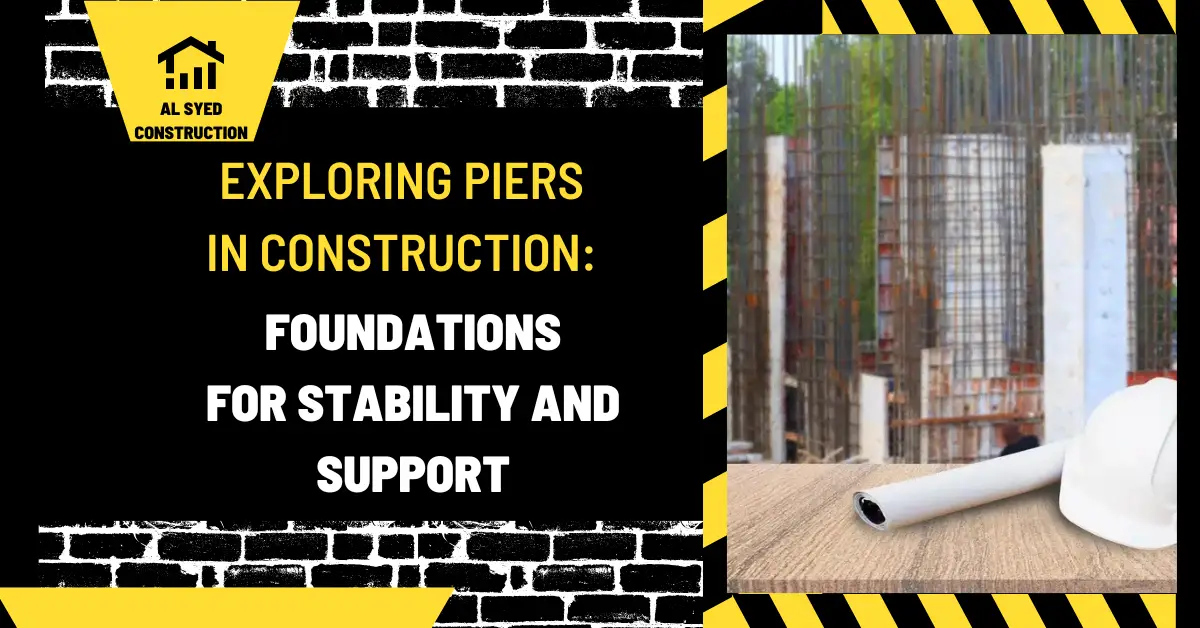
In the realm of home construction, the phrase “basement on piers” might elicit curiosity among prospective homeowners and construction enthusiasts alike. This term encapsulates a foundational technique that not only speaks to the structural integrity of a home but also alludes to an architectural philosophy that marries functionality with aesthetic appeal.
The concept of utilizing piers in basement construction is not merely a structural necessity; it is an innovation born from the need to address soil variances, water management, and susceptibility to settling. Chris and Rebecca, who recently renovated an older home, found themselves enamored by the stability and sturdiness offered by piers, especially given their homes’ location in a flood-prone area. Their story is a testament to how foundational choices can significantly influence both the functionality and safety of a residence.
Understanding the Basics: What Are Piers?
Piers are specialized column-like structures designed to support the weight of a building while elevating it above ground level. Often constructed from concrete, steel, or treated wood, these piers are a quintessential component of post-and-beam construction. They are installed deep into the earth, anchoring the structure against lateral forces and providing elevation to prevent moisture intrusion.
In contrast to traditional foundations, which may rest on wider slabs, pier foundations concentrate load distribution, thus minimizing the area of soil displacement. This design is particularly beneficial in regions where soil types may fluctuate dramatically, as it reduces the likelihood of shifting or settling that can compromise foundation stability.
The Role of Piers in Basement Construction
When a house is described as having “basement on piers,” it typically implies that the basement area is supported by these robust columns instead of a continuous slab. This creates a crawl space or elevated basement, allowing for better drainage and air circulation. For homeowners, this design choice can drastically reduce the risks associated with flooding or standing water, especially pertinent for those living in coastal regions or places with heavy rainfall.
Moreover, this structural approach can enhance energy efficiency. By providing an air gap between the ground and the basement floor, homes are less prone to the dampness that can lead to mold growth and reduced air quality. Enhanced insulation is also achievable, as contractors can position insulation materials above the exposed ground, further improving temperature regulation.
Advantages of a Basement on Piers
There are several compelling reasons why “basement on piers” is increasingly favored in modern construction:
1. Improved Site Adaptability: In areas with challenging topographies, piers allow for homes to be built on slopes and uneven ground where standard foundations would be impractical. Builders can strategically place piers without disturbing the surrounding landscapes, which preserves the natural beauty and ecology of the site.
2. Enhanced Ventilation: Elevating the home promotes airflow beneath it, which is vital in areas prone to humidity. Circulation helps to deter moisture accumulation, a leading enemy of structural integrity.
3. Ease of Maintenance: Accessing plumbing and HVAC systems becomes more manageable with an elevated basement, reducing the need for time-consuming excavations or repairs. Homeowners can inspect and service utilities with greater convenience.
4. Cost-Effective Solutions: While the initial construction of a pier foundation may require a more substantial investment, it often results in lower long-term maintenance costs. Resilience against shifting soil and water damage means less money spent on repairs over the years.
5. Architectural Versatility: This construction method allows for diverse architectural styles, enabling homeowners to create visually striking designs that distinguish their properties. The option to craft interesting façade elements or above-ground features like decks and patios becomes more feasible.
The Environmental Perspective
Embracing a basement built on piers can also resonate with environmentally-conscious builders and homeowners. Elevating structures above ground reduces site disturbance, which in turn helps in preserving natural habitats and minimizing erosion. In landscapes where vegetation plays an essential role in soil retention, piers can facilitate a more sustainable interaction between the structure and the ecosystem.
Moreover, strategic elevation helps manage water runoff, which is increasingly crucial in the era of climate change. As rainfall patterns become more erratic, employing piers can mitigate flooding risks, ensuring sustainable homeownership in vulnerable regions.
Conclusion: A Salient Choice for Modern Homes
Deciding on a “basement on piers” is not merely about structural mechanics but also reflects an understanding of environmental fluctuations, architectural aesthetics, and personal safety. As homeowners like Chris and Rebecca demonstrate, choosing piers can lead to resilient and versatile residences that accommodate the realities of contemporary living. The fascination with this construction method lies not only in its practical benefits but also in the seamless integration it offers between a house and its surroundings.
As we progress into an era increasingly characterized by environmental awareness and the quest for sustainable living, the merits of a basement on piers will likely continue to draw interest, inspiring future generations of builders and homeowners to consider how they construct their homes. Each pier represents not just stability, but a thoughtful response to the evolving landscapes we inhabit.












