
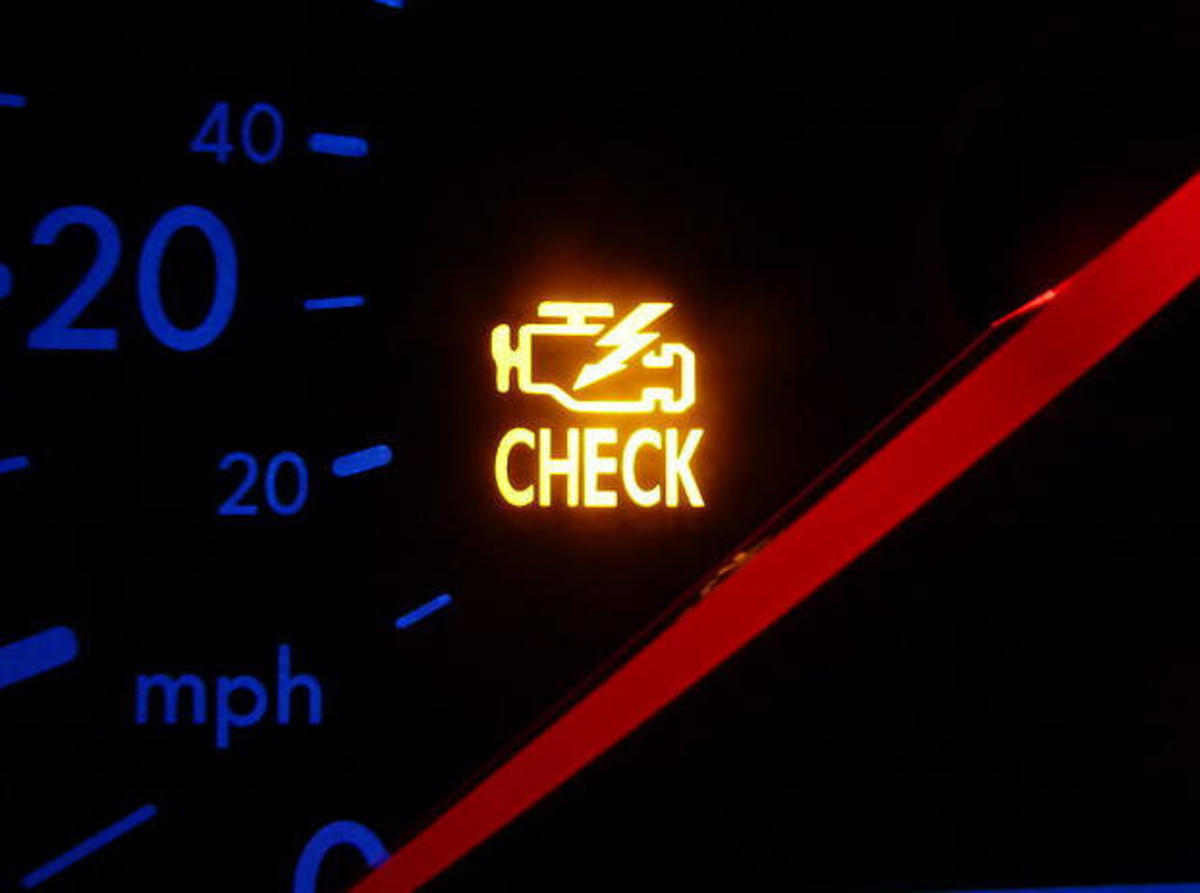
Seeing the check engine light illuminate on your dashboard can provoke a sense of anxiety and confusion. Yet, when that light begins to flash, it signals something more dire—a potential crisis lurking beneath your vehicle’s hood. For many drivers, this flashing beacon signifies that they are not merely dealing with a routine issue, but rather a situation that demands immediate attention. But what does it truly mean? Let’s delve deep into the complications that a flashing engine light can herald.
First and foremost, it’s essential to understand that the check engine light itself is part of your car’s onboard diagnostic system (OBD). It acts as a messenger, alerting you to various issues ranging from minor inconveniences to severe malfunctions. When the light flashes, it often indicates a severe engine misfire, which could lead to exhaust system damage, particularly if the problem is not addressed swiftly.
One of the most prevalent causes of a flashing engine light is a misfire in one or more cylinders. An engine misfire occurs when fuel fails to ignite properly in the combustion chamber. This can be due to a variety of factors, including faulty spark plugs, ignition coils, or even fuel injectors. The result is not just a loss of power and efficiency; there is also the potential for unburned fuel to escape into the exhaust system. This unburned fuel can be catastrophic, leading to overheating and damage to the catalytic converter, a crucial component of your car’s emissions control system.
In addition to spark plug and ignition system failures, the condition of your fuel system plays a critical role. An obstruction in fuel delivery, often caused by a clogged fuel filter or a failing fuel pump, can lead to an inadequate distribution of fuel to the engine. This inadequate fuel supply may prompt a misfire, which exacerbates the flashing engine light scenario. It’s akin to a chef trying to prepare a gourmet meal with insufficient ingredients; the outcome will inevitably fall short.
Equally concerning is the impact that ignition timing can have on engine performance. If your engine’s timing is out of whack—due to a malfunctioning timing belt or chain—it can lead to misfires as well. These mechanical components are intricate and essential; disruptions here can lead to catastrophic failure if left unchecked. A misaligned timing can throw the entire engine out of sync, leading to diminished power and efficiency, and if the issue spirals, extensive repairs may be needed down the line.
Moreover, it’s prudent to mention that the vehicle’s emissions control system plays an encompassing role in the trajectory of engine performance. If components like the oxygen sensors or mass airflow sensors malfunction, the vehicle’s computer might erroneously adjust fuel mixtures. An irregular fuel-to-air ratio can lead to engine stutters and, consequently, the warning light flashing on your dashboard as a plea for help.
Now, imagine you’re out on a remote road when the check engine light starts blinking. The instinct may be to ignore it, hoping it’s just a temporary glitch. However, this could be a costly mistake. Ignoring a flashing light not only risks immediate vehicular failure but could also lead to long-term damage, compounding repair costs and leaving you stranded in a precarious situation.
So, what should you do when faced with a flashing check engine light? The most prudent action is to pull over safely and turn off the engine. This pause allows the mechanical system to recalibrate, and it provides you a moment to assess the situation without causing further damage. Afterward, it’s imperative to consult a qualified mechanic. Diagnostics will provide invaluable insights, revealing the hidden troubles your vehicle may be experiencing.
Many modern vehicles are equipped with advanced OBD-II systems that can store trouble codes related to the engine’s performance. A mechanic can utilize a code reader to decipher these codes, informing them—and you—of the root cause of the flashing light. This may initiate a series of tests that will help pinpoint whether the issue lies within the fuel system, ignition system, or elsewhere.
However, once the initial problem is addressed, it’s essential to establish a pattern of preventative maintenance. Regularly check your vehicle’s oil levels, inspect the condition of spark plugs, and maintain the cleanliness of fuel injectors. Ensuring the integrity of your vehicle’s components can protect you from future mishaps, keeping your engine’s performance consistent and reliable.
In summary, a flashing engine light is not merely a nuisance; it’s a harbinger of potential danger. Understanding its significance and recognizing the urgency it demands is vital for every driver. This little light holds the power to protect you from more extensive damage and costly repairs. Treat it with the seriousness it deserves, and ensure that you remain on the road safely and efficiently.
Arming yourself with knowledge about the implications of a flashing check engine light transforms this stressful experience into an opportunity for proactive maintenance and informed decision-making. By prioritizing your vehicle’s health and addressing issues as they arise, you cultivate a relationship with your car characterized by trust and reliability.












