
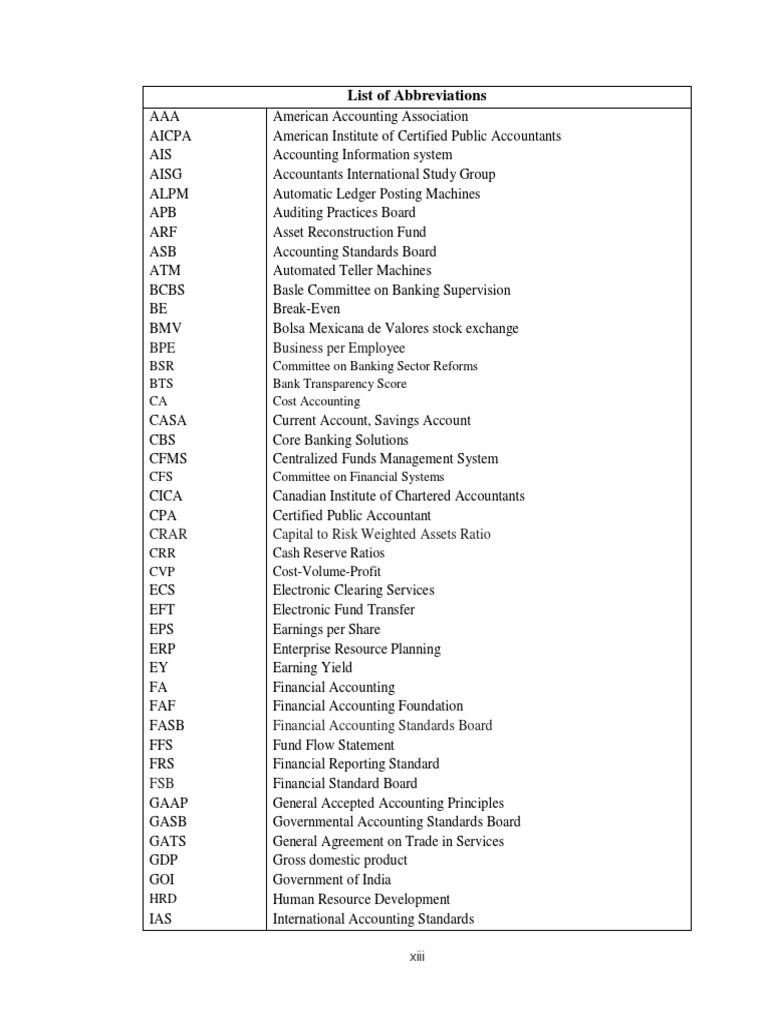
The realm of accounting is replete with a myriad of abbreviations, each a key that unlocks a specific door in the complex architecture of finance. Among these cryptic letters lies the term “JCF,” which stands for “Joint Controlled Facility.” But what does this concept truly signify in the kaleidoscopic world of financial management? Let us embark on a journey to unravel the layered meanings and implications of JCF in accounting.
To set the stage, envision a grand theater where various stakeholders—companies, shareholders, and regulatory bodies—perform an intricate ballet. Each dancer in this performance represents a different component of financial operations, with JCF acting as a unique performer possessing specialized skills that enhance the entire production. In this engaging analogy, understanding JCF equips the audience with insights into the underlying dynamics of financial partnerships and shared control.
At its core, a Joint Controlled Facility (JCF) is an enterprise that embodies collaboration, formed when multiple entities jointly control an operation or resource. The convergence of interests creates a supply chain of shared responsibilities and benefits, reminiscent of a finely-tuned orchestra, each instrument vital to the harmony achieved. Through this collaboration, organizations can minimize risk while maximizing returns, a duality desirable in an unpredictable economic climate.
Delving deeper, one must consider the varying configurations of JCF arrangements. These joint ventures can emerge in diverse forms—from partnerships that develop new products to shared facilities that optimize resource use. Each structure is a reflection of the unique circumstances that brought the parties together, whether it be strategic alliances forged out of mutual benefits or responses to competitive pressures dictating the need for collaboration.
The accounting practices surrounding JCF are intricately woven into the fabric of financial reporting. Stakeholders must meticulously navigate the terrain of financial statements to accurately reflect the complexities of shared control. A key aspect involves the proportional consolidation method, where each partner reports their share of the JCF’s assets, liabilities, income, and expenses in proportion to their interest. This mirrors the act of sampling flavors from a rich, diverse dish—each ingredient contributes to the overall taste, but one must take care not to lose sight of the bigger picture when savouring individual components.
The benefits of engaging in a Joint Controlled Facility are manifold. Organizations can leverage shared expertise, reduce operational costs, and mitigate risks associated with market fluctuations. For instance, a company may partner with another to jointly manufacture goods, allowing them both to tap into new markets without bearing the full brunt of initial investments. It is akin to two artisans collaborating to construct a grand mural, each contributing their distinctive brush strokes to create a masterpiece that neither could have achieved alone.
However, the journey of JCF is not without its challenges. The intricacies of governance can come into play, demanding a clear delineation of roles and responsibilities among partners. Navigating the waters of decision-making in a JCF can easily resemble a strategic chess game, where each move impacts not only the outcome of the partnership but also the broader financial landscape surrounding it. A lack of clear communication or misaligned objectives between partners can lead to discord, jeopardizing the venture’s success. Therefore, cultivating trust and transparency within this collaborative framework is paramount.
Another critical component involves taxation and regulatory compliance. The earnings generated from a JCF carry unique implications—therefore, understanding the tax consequences is essential for maintaining fiscal health. Various jurisdictions might impose distinct tax policies or incentives that influence the viability and attractiveness of a JCF. This regulatory landscape is analogous to navigating an elaborate maze; meticulous planning and foresight are indispensable for emerging unscathed and successfully reaching the exit.
In addition, JCFs can serve as a tool for fostering innovation, propelling organizations toward expanded horizons. By pooling resources and knowledge, partners can embark on ambitious projects that push the boundaries of conventional wisdom. This innovative spirit often manifests in the development of breakthrough products that reshape industries and create new markets, akin to the emergence of a phoenix rising from the ashes—a testament to the power of collaborative endeavors.
As we dissect the inner workings of Joint Controlled Facilities, it becomes evident that JCF is not merely a term enshrined in the annals of accounting jargon; it embodies a philosophy of enterprise that celebrates interdependence and shared success. Companies that adeptly utilize JCF can harness the power of synergy to unlock untold possibilities, navigating the complex tapestry of finance with wisdom and insight.
Ultimately, understanding JCF in accounting requires a broader perspective—a lens through which one can appreciate the nuances of financial collaboration. It instills in us the realization that behind every institution—there are not solitary endeavors, but rather partnerships that fuel growth, innovation, and resilience. As the curtain falls on our exploration of JCF, remember that in the grand theater of accounting, it is often the lesser-known performers that wield the most transformative power, forever changing the narrative of what is possible in the world of finance.












