
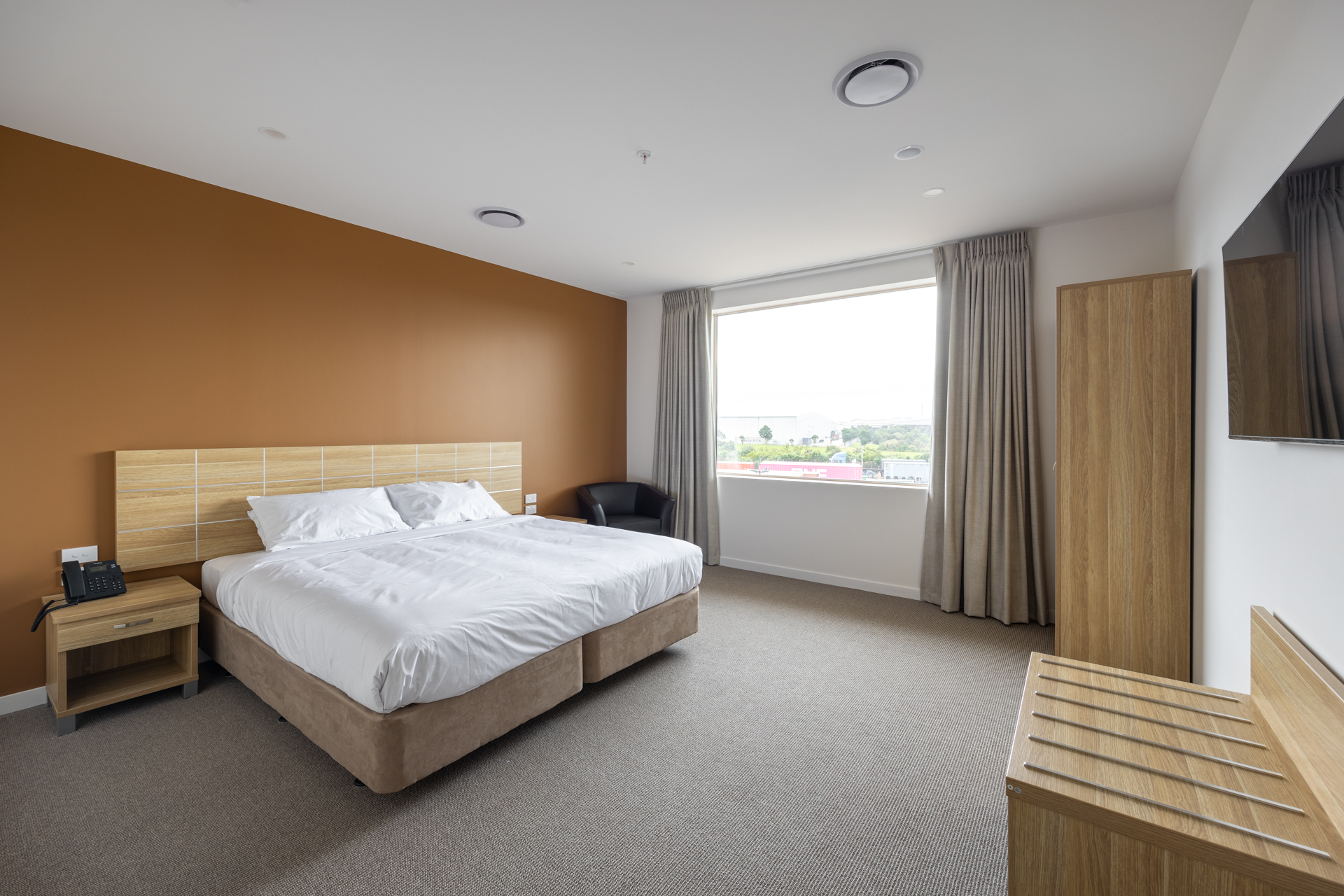
When booking accommodation, particularly if one is navigating the landscape of hotel terminology, clarity and understanding are paramount. Among the myriad options available, one type of room that has garnered attention is the “King Room Accessible.” At first glance, the phrase itself may evoke curiosity. What does “accessible” signify in this context? And how does it differentiate itself from other room categories? Let’s delve into the intricacies of this specific lodging choice to unravel the meanings and implications behind the term.
Understanding the King Room Designation
To begin, a King Room is characterized primarily by its bed size. Equipped with a spacious king-sized bed, usually measuring 76 inches wide by 80 inches long, this type of room is designed to offer a more luxurious sleeping experience compared to standard queen-sized or double beds. For individuals traveling alone, couples seeking romance, or even small families, the king bed provides ample space and comfort.
However, the inclusion of the term “accessible” adds layers of significance. It isn’t only about size but rather about inclusivity, representing a commitment to ensuring that everyone, regardless of ability, has the opportunity to enjoy a comfortable stay.
The Essence of Accessibility
When a room is labeled as “accessible,” it implies that the accommodation has been thoughtfully designed or modified to cater to guests with disabilities or mobility challenges. Accessibility features work to eliminate barriers that could hinder one’s experience in a hotel. Typically, this includes a range of amenities and modifications, ensuring that anyone can navigate the space with ease and dignity.
The central intent is clear: to create an environment where individuals with varying physical needs can navigate their surroundings without encountering inconvenience. Accessible King Rooms are thus not merely about a spacious bed; they are about inclusivity, comfort, and consideration.
Common Features of an Accessible King Room
Accessible King Rooms come equipped with various functional features designed to enhance usability. Here’s what one might expect when booking such a room:
- Wider Doorways: To accommodate wheelchairs and other mobility aids, the doorways are often wider than standard doors, facilitating smoother entry and exit.
- Roll-In Showers: Instead of traditional bathtubs, many accessible rooms offer roll-in showers equipped with grab bars and adjustable showerheads to allow for ease of use and safety.
- Grab Bars: Strategically placed grab bars in bathrooms and near the toilet help provide stability for those who may need assistance in maneuvering.
- Accessible Furniture: The arrangement of furniture is often tailored to facilitate movement. This might mean lower bed heights and clearance under sinks to enable wheelchair access.
- Visual and Auditory Alerts: Some rooms may also include features like visual alarms for individuals with hearing impairments, enhancing overall safety.
Each of these elements encapsulates a refined attention to detail, showcasing the hotel’s commitment to fostering an environment where all guests can feel welcomed and comfortable.
The Importance of Inclusion
In today’s increasingly aware society, inclusivity has become a non-negotiable standard for businesses, especially in hospitality. Hotels that prioritize accessibility not only cater to a broader customer base but also send a strong message of respect and equality. For travelers with disabilities, the choice to stay in an accessible King Room signifies more than just accommodation; it embodies a space where they can relish independence and self-sufficiency.
Incorporating accessibility features follows the principle of universal design, which posits that spaces should be usable by all people, irrespective of their age or ability. Companies that embrace this ideology do not merely comply with legal standards; they showcase a vision of hospitality that values diversity and individuality.
Making the Right Choice
For travelers contemplating whether to opt for an accessible King Room, several factors should be taken into account. Beyond the room’s physical attributes, consider the ease of booking. Inquire ahead, as hotel staff can provide precise details about accessibility features and the extent of modifications made to a room.
Moreover, it is prudent to assess one’s specific needs. Not all disabilities are the same, and while some may require extensive accessibility modifications, others may benefit simply from wider spaces. Understanding your needs ensures that you select the room that will provide optimal comfort during your stay.
Conclusion: A Shift in Perspective
In conclusion, the phrase “King Room Accessible” goes beyond mere terminology; it is an emblem of thoughtfulness and a proactive approach to hospitality. This room type not only caters to the physical requirements of individuals with disabilities but also signifies a cultural shift towards greater inclusivity within the hospitality industry. When choosing accommodations, opting for an accessible King Room adds dimension to your travel experience—reminding all of us of the importance of inclusivity, respect, and understanding in every facet of life.
Next time you browse hotel listings, let this knowledge guide you, enhancing both your choices and your appreciation for the diverse accommodations available in an ever-evolving world.












