
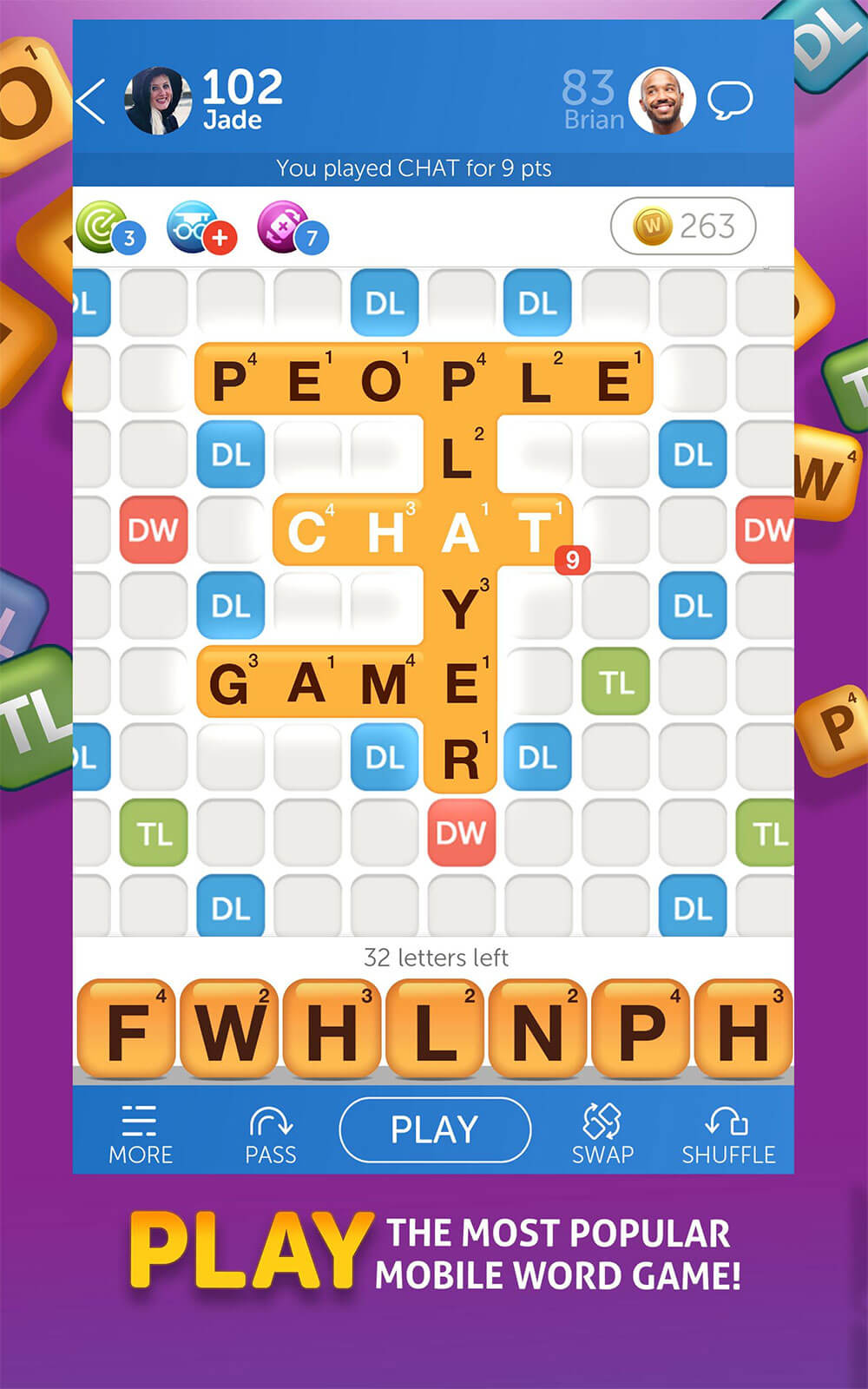
In the realm of mobile gaming, innovations arise continuously as developers strive to enhance gameplay experiences. One such intriguing feature in Words With Friends 2 is “Locked Mode.” But what exactly does Locked Mode entail, and how does it affect both casual players and hardcore wordsmiths? This exploration delves into the depths of Locked Mode, unearthing its significance within the world of Words With Friends 2.
Understanding Locked Mode: A Brief Overview
Locked Mode is synonymous with a heightened level of engagement and strategy within the game. Traditionally, Words With Friends 2 allows players to freely navigate their tiles, rearranging them in various combinations to construct the most point-worthy words. However, Locked Mode shifts this paradigm; it confines players’ ability to manipulate specific tiles based on certain conditions. This twist to the standard format captures the imagination, prompting players to reassess their approach to word creation.
The Mechanics of Locked Mode
At its core, Locked Mode introduces a framework where chosen tiles become immutable, demanding creative ingenuity from players. When activated, this feature solidifies specific letters on the board, allowing players to build words in a confined environment. Some may perceive this as a limitation, yet it encourages deeper strategic thinking. Suddenly, players are not just engaging in a game of chance but are expanding the boundaries of their vocabulary and analytical skills. Is this a mere game enhancement, or is it a cerebral exercise?
Why Use Locked Mode? The Push for Strategy
The allure of Locked Mode lies within its strategic implications. With the restrictions imposed on tile management, players must adjust their gameplay tactics. This adaptive shift can illuminate new dimensions of word formation. Here, the simplistic pleasure of playing morphs into a complex problem-solving endeavor. As players endeavor to craft words using locked tiles, they hone their linguistic dexterity.
A fascinating aspect of Locked Mode is how it fosters creativity. In a conventional setting, players might rely on familiar vocabulary or common word patterns. However, with Locked Mode in play, they are nudged toward exploring less common words or uncommon spellings, thus expanding their lexicon. This is not merely about winning; it involves a quest for knowledge and a journey through language itself.
The Social Dimension of Locked Mode
Exploring the social implications of Locked Mode reveals another layer of its significance. In a world where connection is often digital, the addition of such features invites players to engage in conversation beyond the confines of the game. Players may find themselves discussing strategies, sharing their favorite words, or even reminiscing about past games where Locked Mode turned the tide in an unexpected manner. Thus, Locked Mode does not solely redefine gameplay; it fosters camaraderie among friends and family, igniting discussions about strategies and results.
Adapting to the Locked Mode Challenge
For newcomers, the introduction of Locked Mode may feel daunting. The challenge of creating meaningful words from limited resources can test one’s patience and intellect. However, seasoned players often relish this unique aspect, embracing the necessity for adaptability. Strategies that once prioritized tile expansion may be replaced by those that encourage maximizing points earned from fewer, yet more strategically placed, letters.
One might begin by assembling tiles that work synergistically with the letters you cannot move. For example, if “CAT” is your locked collection, exploring combinations and prefixes can lead to creative outputs like “CATS,” “AT,” or even “ACT.” Enhancing one’s vocabulary and relying on word formations grounded in strategy can transform Locked Mode from a challenge into an opportunity for growth.
The Psychological Impact of Locked Mode
Beyond its social and strategic dimensions, Locked Mode manifests psychological effects, sharpening the mental acuity of players while driving them into a state of cognitive engagement. When faced with restrictions, players often tap into their innate problem-solving capabilities, navigating around limitations with innovation. This dynamic can render gameplay not just enjoyable but also intellectually stimulating, as it mirrors real-life situations where constraints breed creativity.
Personal Growth Through Locked Mode
As players delve into the realm of Locked Mode, personal growth can emerge. This feature instills resilience and adaptability as players tackle increasingly complex scenarios. Each locked tile becomes a puzzle piece awaiting discovery, demanding a fresh perspective. As players work through these challenges, they may find that the lessons transcend the confines of the game, encouraging them to approach everyday obstacles with an evolved mindset.
The Future of Locked Mode
As Words With Friends 2 evolves, one can speculate about the potential advancements of Locked Mode. Will future iterations introduce refined mechanics, allowing players to tailor their Locked Mode experiences further? Perhaps players could customize which tiles to lock or even extend the experience to team-based challenges, inviting a host of new strategic engagements. The possibilities are as limitless as the vocabulary the game encourages players to explore.
Conclusion: Embracing Locked Mode
In summary, Locked Mode within Words With Friends 2 is much more than a mere gameplay feature; it epitomizes a paradigm shift, urging players to embrace strategy, adapt their thinking, and engage socially. This optional feature promises not only an enriching gaming experience but serves as a reminder of the hidden breadth of language. It is this intricate balance of playfulness and intellect that invites players to step beyond the ordinary, challenging them to unlock their full potential—word by word.












