
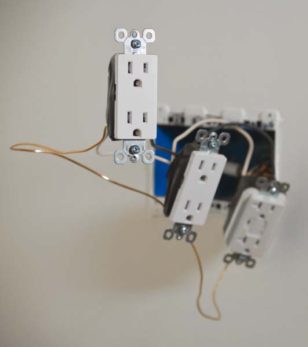
In the labyrinthine world of residential wiring, few terms evoke as much concern as an “open ground outlet.” Much like a bridge with no support beams, an open ground poses risks that can lead to catastrophic failures in the delicate system of electrical safety. Tucked away in the corners of our homes, these unassuming outlets can carry hidden dangers, akin to a siren luring sailors to treacherous rocks. Understanding what an open ground outlet means is pivotal for safeguarding both your property and your loved ones.
What is an Open Ground Outlet?
At its essence, an open ground outlet is an electrical receptacle that lacks a functional ground connection. In typical outlet wiring, there are three prongs: the hot wire, the neutral wire, and the ground wire. The ground wire acts like a safety net, redirecting excess electrical current away from sensitive equipment and into the earth. Without this vital component, an open ground outlet becomes a ticking time bomb—an enigma that can lead to various safety hazards.
The Role of Grounding in Electrical Safety
Grounding is a fundamental principle in electrical systems, designed to protect occupants and devices from fluctuating currents. Imagine it as a sturdy foundation upon which your home’s electrical architecture stands. It absorbs surges during electrical storms or faults, ensuring that your devices remain unscathed. Without this grounding component, any stray voltage can cause shocks—and in severe cases, ignite fires. Thus, in the grand theatrical play of electrical safety, grounding takes center stage, while the open ground outlet sits quietly in the shadows.
Identifying Open Ground Outlets
Recognizing an open ground outlet is not as simple as examining its exterior. Many homeowners may be unaware that their living spaces harbor these potential hazards. One of the most straightforward ways to check for an open ground outlet is by using a voltage tester, a device that illuminates signs of voltage presence. With the tester in hand, you can check the outlet to ascertain whether the ground connection is intact. Alternatively, consulting a licensed electrician becomes essential if you find yourself mired in uncertainty.
The Risks of Open Ground Outlets
Much like a chink in the armor of a knight, an open ground outlet exposes a household to various dangers. Here are some potential risks associated with these problematic sockets:
- Electrical Shocks: Without proper grounding, there is an increased risk of electric shock. If a fault occurs in an appliance plugged into an open ground outlet, the current may travel through the human body rather than safely to the earth.
- Appliance Damage: Sensitive electronic devices, such as computers and televisions, are particularly vulnerable. Unstable currents can fry their circuits like an unprotected soldier on the battlefield.
- Fire Hazards: As surges and spikes escalate within a faulty electrical system, they can ignite cables, resulting in potentially catastrophic fires. The fire, in this case, might see your home as a kindling opportunity rather than a sanctuary.
Common Causes of Open Ground Outlets
Understanding how open ground outlets come to exist is akin to peeling back layers of an onion, revealing the complexities of home wiring. Various factors contribute to their emergence, including:
- Improper Installation: A common culprit is inadequate wiring performed during initial construction or renovations. Whether through haste or ignorance, the absence of a proper ground wire can lead to an open ground outlet.
- Outdated Wiring Systems: Homes built decades ago may rely on two-prong receptacles that predate modern grounding protocols. These relics remain functional but can be hazards in contemporary electrical use.
- Damaged Wiring: Over time, insulation can fray, leading to disconnected ground wires. Inspections and maintenance are crucial to avert these silent invaders in your home.
Addressing the Open Ground Dilemma
Should you uncover an open ground outlet within your abode, addressing it promptly is non-negotiable. Ignoring this issue is like allowing a crack in a dam to fester—it can only lead to disastrous consequences. Here are essential steps to mitigate the risks:
- Consult an Electrician: The expertise of a qualified electrician cannot be overstated. They can assess your home’s wiring and upgrade outlets to be code-compliant.
- Install Ground Fault Circuit Interrupters (GFCIs): If immediate grounding solutions are complex, consider installing GFCIs as a temporary measure. These devices are designed to cut power in the event of a fault, acting as a last line of defense.
- Upgrade Wiring Systems: In cases of extensive renovation, upgrading your entire electrical system to include modern grounding standards is prudent. A well-grounded home is a fortress built against electrical peril.
In Conclusion
Open ground outlets, while seemingly benign, are far from trivial. They symbolize the delicate interplay of safety and functionality in our increasingly electrified lives. Much like the roots of a tree hidden beneath the earth’s surface, grounding facilitates the safe operation of electrical systems while keeping us protected from potential dangers lurking in the shadows. By acknowledging the significance of open ground outlets and understanding their implications, homeowners can proactively safeguard their sanctuaries—transforming what could be a lurking threat into a haven of security.












