
In the evolving landscape of modern relationships, particularly in the realm of sugar dating, new terminology often emerges to encapsulate the nature of these unique connections. One such term that frequently surfaces is “PPM,” which stands for “pay per meet.” This concept raises intriguing questions: How does PPM shape the dynamics of a sugar baby and sugar daddy relationship? Is it purely transactional, or does it harbor potential for a deeper connection?
To unravel the meaning of PPM in the context of sugar dating, it’s beneficial to first explore the broader landscape of such arrangements. Sugar dating generally refers to mutually beneficial relationships between individuals, often characterized by the provision of financial support in exchange for companionship. While this definition seems straightforward, the practical implications can be multifaceted, with varying degrees of emotional attachment.
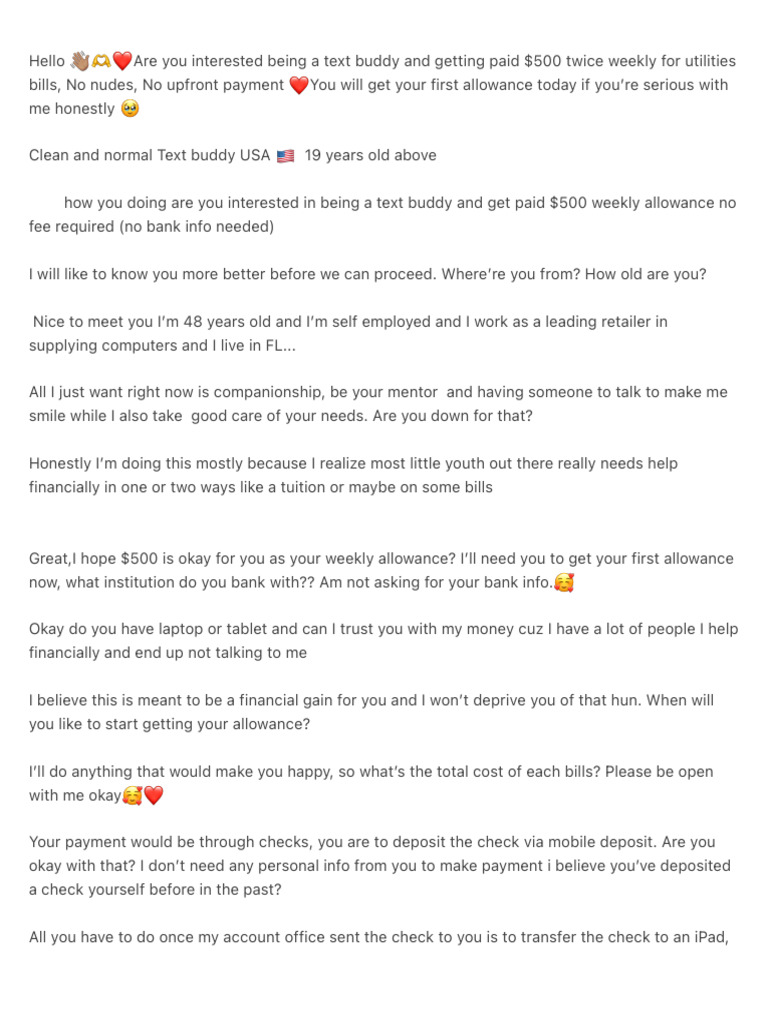
PPM specifically delineates a financial agreement where a sugar daddy compensates the sugar baby for each meeting they have together. This arrangement can be appealing for both parties: the sugar daddy enjoys the company of a younger, vibrant individual, while the sugar baby receives financial benefits that can enhance their lifestyle or contribute to their education.
But what does it truly mean for the sugar baby? Entering into a PPM agreement can be both exhilarating and daunting. On the one hand, it may represent a level of independence, allowing the sugar baby to maintain control over their time and interactions. On the other hand, it raises questions about the nature of connection and emotional intimacy. Does a transactional foundation impede the possibility for deeper emotional bonds? Or can it coexist with genuine feelings and affection?
As we delve deeper, it’s vital to consider the motivations behind engaging in a PPM arrangement. For some sugar babies, the allure of financial stability can outweigh the risks of emotional detachment. Many young individuals view sugar dating as an avenue to achieve their goals, be it funding their education or affording a lavish lifestyle that might not be attainable through conventional employment.
This contrasts with traditional dating dynamics, where relationships often evolve organically and are steeped in romantic ideals. In sugar dating, however, the financial aspect is explicitly acknowledged and can be liberating. Yet, this explicitness also poses challenges. Sugar babies must navigate the potential judgments and stigmas associated with their choices, often grappling with societal perceptions of their relationships.
Moreover, the varied interpretations of PPM can lead to discrepancies in expectations between sugar daddies and sugar babies. While one party may regard their meetings as primarily transactional, the other might seek a more intimate connection. Clear communication and transparency are indispensable in this context to ensure both parties’ needs and boundaries are respected. This is where the importance of establishing terms upfront cannot be overstated.
Another significant aspect of PPM is the negotiation process. Sugar babies must evaluate their worth and decide how much compensation is acceptable for their time. This could range widely, based on factors such as location, personal brand, or the level of connection they wish to create. There exists an undeniable empowerment when one takes a proactive approach to negotiate terms that feel right.
However, engaging in PPM also necessitates an astute awareness of one’s surroundings. Safety should always be a priority. Meeting strangers, regardless of mutual interests, can harbor risks. Sugar babies should take precautions, such as arranging meetings in public spaces and informing a trusted friend about their whereabouts. Building a network with other sugar babies can provide insight and support, helping newcomers to navigate the nuances of these relationships more effectively.
Yet another layer to ponder is the emotional toll often associated with relationships framed by financial exchange. While many enter this realm with the intent to preserve an emotional distance, feelings can still complicate matters. The initial approach might be driven by financial gain, but emotional attachments can develop, sometimes leading to heartbreak or disappointment.
In an ideal scenario, a sugar baby engaging in a PPM arrangement would find a balance between emotional connection and financial benefit. Striking this equilibrium allows for a fulfilling experience that honors both personal and monetary aspirations. Some successful sugar babies recount stories of blossoming friendships or even romantic relationships resulting from what began as purely transactional meet-ups. These narratives resonate with the idea that love, in many forms, can find a way, even amidst financial agreements.
In conclusion, the term PPM encapsulates many nuances unique to sugar dating relationships. It serves as a reminder of the complex interplay between financial autonomy and emotional fulfillment. For sugar babies, understanding and articulating their needs while remaining vigilant about safety and personal boundaries is essential. Essentially, it invites them to engage in a relationship model that encourages exploration of desires, expectations, and ultimately, one’s worth. Would you consider embarking on a PPM journey? What might you discover about yourself and your relationships in the process?












