
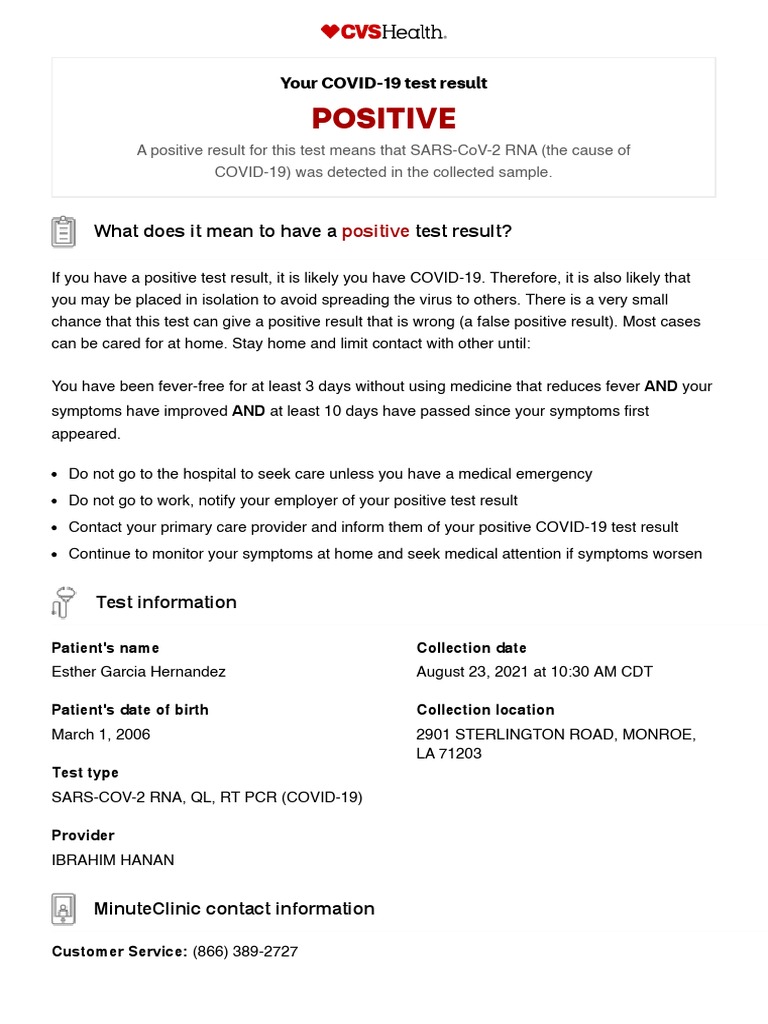
When one receives the term “preliminary positive” in relation to test results, it can evoke a whirlwind of emotions and questions. The phrase implies a significant finding that necessitates deeper scrutiny. Navigating the labyrinth of medical terminology may seem daunting, yet understanding the implications of such results is paramount for anyone seeking clarity amidst uncertainty. This article delves deeply into what “preliminary positive” signifies, the potential outcomes it heralds, and the psychological ramifications it may entail.
Understanding the Terminology
The phrase “preliminary positive” typically arises in medical testing contexts, particularly in fields like diagnostics, virology, and oncology. It indicates that initial test findings suggest the presence of a particular condition or pathogen, warranting further investigation. Nevertheless, the word “preliminary” carries with it an implication of transience, suggesting that the results are not definitive. It urges one to approach ensuing procedures with a tempered perspective, mindful that this initial report is but a fragment of the larger clinical puzzle.
This report may be derived from various testing methodologies—blood tests, imaging studies, or biopsies—all of which may yield a ‘preliminary positive’ marker. Each scenario can greatly vary based on specific contexts and underlying conditions, leading to a rich tapestry of interpretations.
Diagnostic Pathways: The Journey Begins
On receiving a preliminary positive result, one can almost visualize stepping through a portal to an unexplored territory brimming with possibilities. Most importantly, it delineates the commencement of a process designed to achieve clarity. Clinicians typically follow a systematic approach post-positive findings, initiating a cascade of further diagnostic evaluations to corroborate initial findings.
For example, in the realm of infectious diseases, a preliminary positive could indicate the presence of antibodies or viral particles. Subsequently, confirmatory tests might be employed to either substantiate or refute the preliminary diagnosis. Similarly, in oncology, the detection of tumor markers could imply malignancy but would require imaging studies or biopsies to ascertain the extent and nature of any neoplastic processes.
The Emotional Landscape
Receiving a preliminary positive result can elicit a spectrum of emotions, ranging from anxiety to hope. It is paramount to acknowledge the psychological toll that such ambiguous findings can impose. Understanding this emotional landscape is crucial.
Many individuals may wallow in a state of uncertainty, dwelling on possible worst-case scenarios. The term itself can breed apprehension—a harbinger of possible illness or a significant life change. It can invoke feelings of vulnerability, prompting questions about one’s future health and well-being. Conversely, for some, these preliminary findings might incite a rush of adrenaline—could this be the impetus for a life-altering revelation? The dichotomy of response can be jarring.
During this tumultuous time, fostering open communication with healthcare providers becomes indispensable. Engaging in dialogue can help demystify the implications of preliminary findings, enabling individuals to navigate their emotional responses more effectively.
Next Steps: The Road to Certainty
When one embarks on the journey following a preliminary positive result, it is essential to remain methodical and informed. Here are several key actions that can facilitate a smoother transition:
- Seek Comprehensive Information: An informed patient is an empowered patient. Gaining insight into the context of the preliminary positive result, including its prevalence and associated implications, can elucidate the path ahead.
- Schedule Confirmatory Tests: Following a preliminary positive, prompt scheduling of follow-up tests is critical. These additional evaluations aim to provide clarity and can mitigate the uncertainty that accompanies initial results.
- Remain Engaged with Healthcare Professionals: Regular consultations with physicians or specialists play a vital role in ensuring a holistic approach to potential diagnoses.
The Role of Support Systems
Emotional fortitude is often bolstered through a strong support network. Friends, family, and support groups can foster resilience, creating an environment in which patients feel validated and understood. Sharing experiences and fears can alleviate burdens significantly, paving the way for a more positive outlook on the journey ahead.
Moreover, many healthcare facilities offer counseling or support services tailored for patients navigating anxiety and uncertainty. Engaging in such support mechanisms can be invaluable in maintaining mental well-being.
Conclusion: Embracing the Journey
In retrospect, a preliminary positive result should not be perceived solely as an ominous shadow lurking at the fringes of one’s life. Instead, it acts as a clarion call—a prompt to embrace a proactive approach to health and well-being. It invites individuals to delve deeper, ask questions, and foster a dialogue that ultimately leads to greater understanding.
This journey is, without a doubt, fraught with challenges; however, by adopting a clinical lens and nurturing emotional well-being, patients can traverse this path with tenacity and hope. Ultimately, whether the end result is confirmation or reassurance, the experience can cultivate resilience and empower one to face the vicissitudes of health with newfound vigor.











