
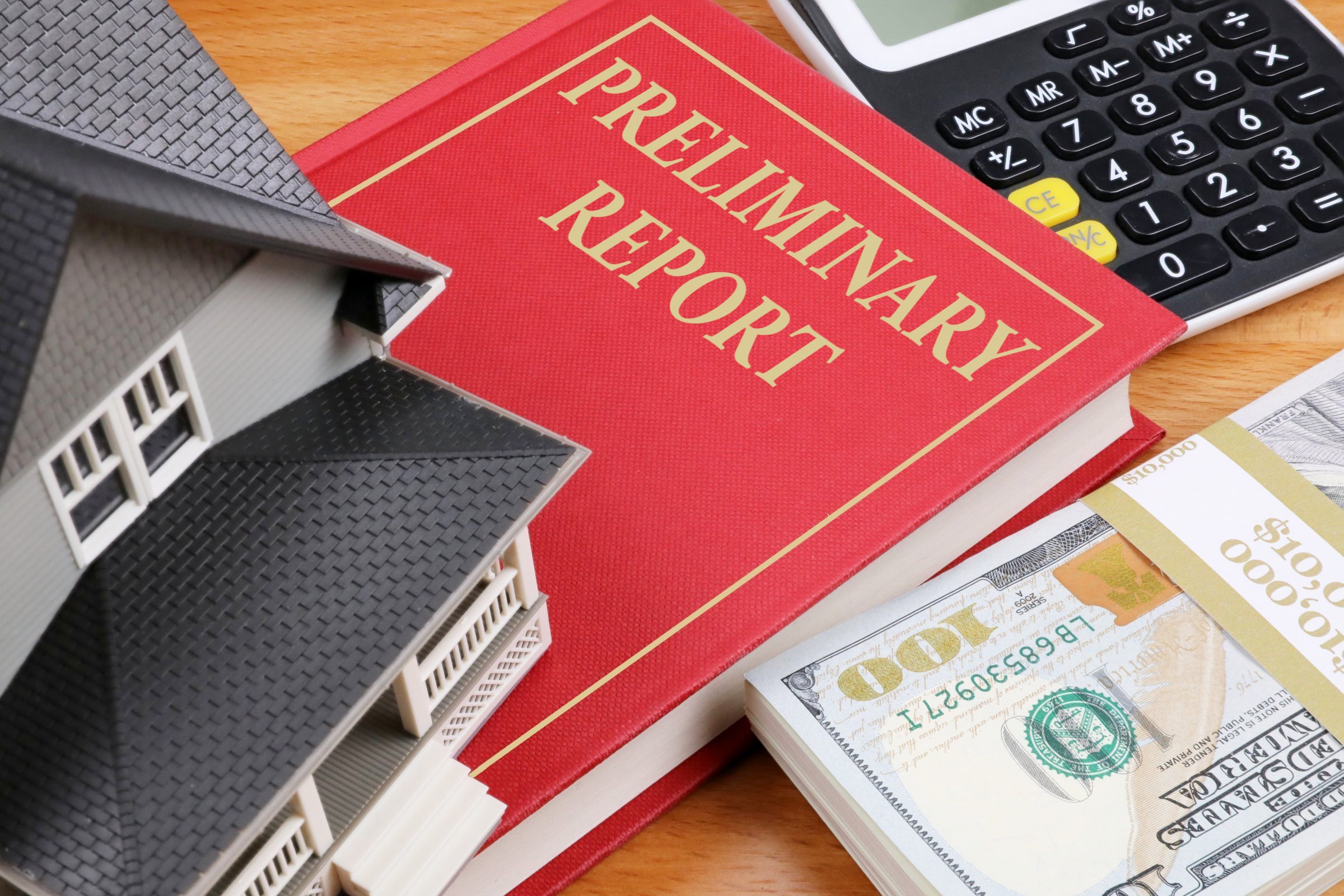
In the multifaceted world of real estate, navigational terminology can often seem daunting to those unfamiliar with the industry’s lexicon. One such term that frequently arises is “preliminary status.” Understanding this designation is essential for prospective buyers, sellers, and investors alike. It indicates the initial stage of a property’s listing and plays a pivotal role in how transactions unfold.
1. Definition of Preliminary Status
Preliminary status typically refers to a phase in the property listing process where the home is not yet officially active on the market. This state may serve various purposes, including allowing sellers to prepare the property, as well as giving agents time to conduct necessary assessments. It’s a transitional state that can influence how buyers perceive the timing and readiness of a real estate offering.
2. Importance of Understanding Status in Real Estate
For buyers, grasping the nuances of preliminary status can empower better decision-making. A property in this stage might still be undergoing repairs or improvements, hence presenting both opportunities and risks. For sellers, it is crucial to gauge the market readiness of their property before making it public. Ultimately, understanding these indicators assists all parties in maintaining realistic expectations.
3. The Implications of Preliminary Status
When a property holds preliminary status, it signifies more than a mere waiting game. There are several implications that stakeholders should consider:
- Preparation Time: Sellers often use this phase to enhance their property’s appeal. This preparation might entail renovations, staging, or even cleaning to ensure the home is ready for potential buyers at the point of listing.
- Market Analysis: Agents may utilize this time to conduct comparative market analyses, determining an appropriate listing price based on recent comparable sales.
- Buyer Interest: For buyers actively searching for properties, preliminary status listings can be a double-edged sword. While they may indicate forthcoming listings, they also suggest that the property is not yet fully available for negotiations.
4. Differentiating Between Preliminary and Active Status
A crucial distinction exists between preliminary and active status. An active listing is fully available for viewing and includes detailed information such as pricing, open house dates, and—often—real-time tracking of interest metrics. In contrast, preliminary status does not equate to an invitation for showings. Educating oneself on these differences is paramount for buyers claiming agency over their pursuit.
5. Real Estate Marketing During the Preliminary Phase
Marketing during preliminary status can be a strategic advantage. Sellers and agents might leverage this phase to build anticipation through teaser campaigns. This could include social media posts or email blasts hinting at the upcoming listing, generating buzz and excitement.
Moreover, agents can start informing their network of clients, potentially creating a list of interested buyers even before the property officially goes live. This proactive approach can streamline the selling process significantly.
6. Potential Risks Associated with Preliminary Status
However, being in preliminary status is not devoid of risks:
- Loss of Momentum: Properties that linger too long in this phase may lose momentum, as buyers may find other options that are actively available.
- Misinformation: Potential buyers may misconstrue the status, thinking the property is more accessible than it truly is, leading to disappointment.
- Market Conditions: Changing market dynamics can impact buyer interest rapidly, meaning a property may lose its allure if it remains in preliminary status for an extended period.
7. Best Practices for Sellers
For sellers seeking to maximize their property’s exposure, several best practices exist during the preliminary phase:
- Engage a Knowledgeable Agent: Partnering with a seasoned real estate professional can provide valuable insights into market conditions, as well as facilitate a smoother transition to active status.
- Be Transparent: While it is tempting to create mystique around a pending listing, clear communication can foster trust among potential buyers.
- Use Technology: Leverage virtual tours or high-quality images to showcase the property’s updates or potential, piquing interest even before it hits the market.
8. Preparing for Transition to Active Status
As the property nears a shift from preliminary to active status, preparation becomes key. Sellers should refine their marketing strategies, finalize pricing, and prepare for open houses. Attention to detail at this juncture can yield improved results, influencing not just the speed but also the quality of offers.
9. Concluding Thoughts
In summary, the notion of preliminary status in real estate encapsulates a dynamic series of events before a property officially enters the market. It serves as a preparatory phase laden with potential, presenting both opportunities and challenges. Comprehending this phase allows sellers to execute a strategic entry into the competitive market, while buyers glean insights into their forthcoming choices. In a field where timing is often tantamount to success, understanding preliminary status signifies wisdom and foresight within the intricacies of real estate transactions.












