
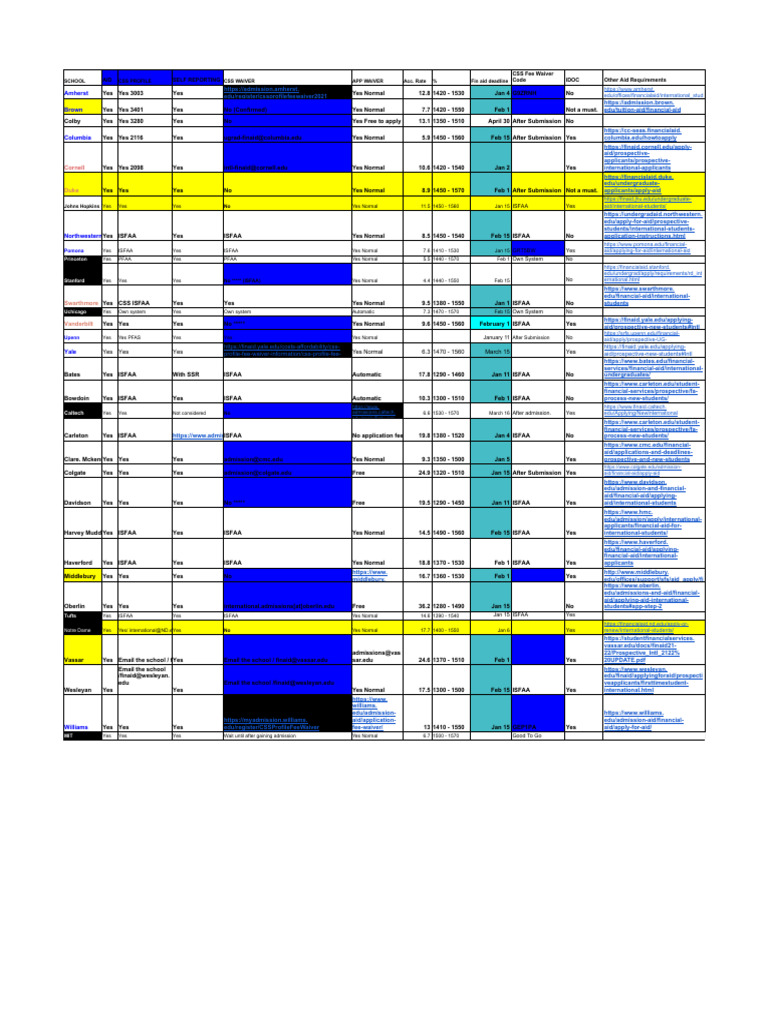
In the labyrinthine world of academia, the realm of college admissions is peppered with a plethora of abbreviations that can often bewilder anxious prospective students and their families. Among these terms, “RD” holds a significant place, representing a critical phase in the admissions process. Yet, while many understand its practical implications, fewer grasp the full scope of what “RD” encapsulates. As we delve into this topic, it becomes evident that this abbreviation is not merely a shorthand but a marker of a broader sociocultural phenomenon that influences countless students’ futures.
The Foundation of RD: Understanding Regular Decision
At its core, “RD” stands for “Regular Decision,” which is a conventional admissions process offering the chance for students to apply to colleges and universities without the urgency of restrictive timelines found in other pathways such as Early Decision (ED) or Early Action (EA). Typically, RD deadlines fall in January, with decisions released in the spring, providing applicants ample time to assemble a tailored portfolio of test scores, essays, and recommendations.
This non-binding pathway is characterized by its inclusivity, accommodating a broad spectrum of students who may not have been prepared to commit to a particular institution so early in the admissions cycle. For many, RD serves as a safety net, allowing them to weigh their options and navigate the tumultuous waters of college applications with a discernible degree of agency.
The Appeal of Regular Decision
The allure of RD extends beyond mere logistics. Many students experience a natural reluctance to make far-reaching commitments, often feeling anticipation intertwined with apprehension when faced with the life-altering decision of selecting a college. Regular Decision alleviates this pressure, fostering an environment wherein students can explore their aspirations without being prematurely tethered to a singular institution.
Moreover, the extended timeframe permits students to bolster their applications. High school seniors can retake standardized tests, refine their essays, and secure additional letters of recommendation, thereby presenting a holistic and fortified image to admissions committees. This opportunity can be a game-changer, particularly for applicants whose academic journey may have been marred by unforeseen challenges or limitations.
Decoding the Impact: Planning and Strategy
Furthermore, the dynamic admission landscape—characterized by fluctuating acceptances and competitive pressures—exposes students to the intricate game of timing. As institutions receive an influx of applications, the admissions cycle often reveals an ebb and flow favoring those who submit their materials before the RD deadline.
Prospective students must thoroughly investigate individual college statistics, paying attention to the yield rates and acceptance trends for RD applicants. Such analytical scrutiny can yield invaluable insights, guiding students toward informed decisions about where to allocate their efforts and aspirations.
RD vs. Other Admissions Processes
Yet, while RD breeds flexibility, it may come with its own set of challenges. The competition within the regular decision pool can be acutely fierce, as institutions may have already populated their classes with early applicants, thereby creating a narrow pathway for RD candidates.
Common Perceptions and Misconceptions about RD
Another often-cited misconception is that Regular Decision signifies indecision or lack of commitment. In reality, for many students, it represents a judicious strategy, allowing them to ensure that their chosen path reflects their true aspirations rather than the pressures of external expectations. This distinction is pivotal, enabling students to approach their educational journey with intentionality and purpose.
Conclusion: The Bigger Picture












