
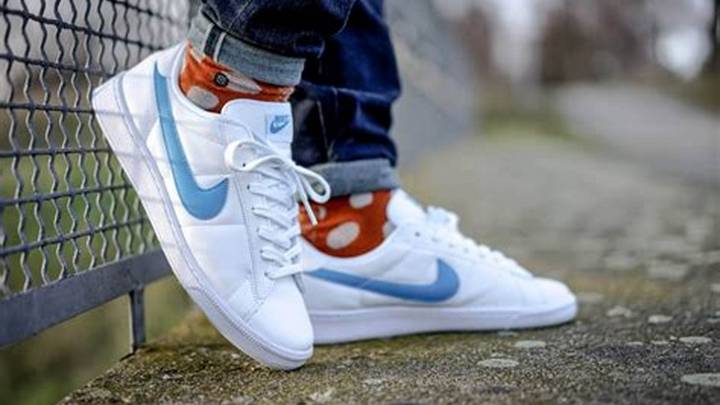
When discussing the fascinating realm of footwear, particularly sneakers, the term “retro” surfaces with an almost magnetic allure. But what exactly does “retro” mean in the context of shoes? To delve deeper, one must embark on a journey through the evolution of sneaker culture, the significance of nostalgic designs, and the impactful trends that have shaped the footwear landscape.
First and foremost, the term “retro” typically refers to styles that echo past design elements, evoking a sense of nostalgia. These are not mere reproductions; retro sneakers capture the spirit of a bygone era while reinvigorating it with contemporary sensibilities. This blend of old and new creates an aesthetic that resonates deeply with enthusiasts and casual wearers alike.
The Evolution of Retro Footwear
To fully appreciate retro sneakers, one must understand their historical context. The sneaker phenomenon exploded in the 1980s and 1990s, fueled by burgeoning hip-hop culture and the rise of basketball as a global sport. Iconic models changed the trajectory of fashion and function. Styles like the Nike Air Jordan, Adidas Superstar, and Converse Chuck Taylor All-Star became not just athletic equipment, but cultural milestones that symbolized rebellion, style, and self-expression.
As the decades passed, these classic silhouettes faded into the background. However, fashion is cyclical; what was once “out” often returns with renewed vigor. The early 2000s saw the rebirth of retro sneakers, spearheaded by brands recognizing the treasure trove of designs that had laid dormant. The craving for authenticity amid mass production led to a fervent love affair with vintage aesthetics.
Diverse Types of Retro Sneakers
There exists a broad spectrum of retro sneaker types, each boasting its unique characteristics that cater to various demographic preferences.
- Classic Basketball Sneakers: Models like the Air Jordan I represent the quintessence of retro basketball shoes. They embody a rich, storied past while encapsulating the essence of streetwear culture. These sneakers are characterized by their high-top forms and bold colorways, serving as a canvas for artistic expression.
- Running Shoes: Brands like Puma and Asics have delved into their archives to revamp running shoes that harken back to the 70s and 80s. These designs often feature lightweight materials and bright palettes, appealing to both athletes and fashionistas.
- Skate Sneakers: The resurgence of skate culture has led to a revival of classic skate shoes such as Vans and Etnies. Typically characterized by a low profile and durable construction, they capture a laid-back ethos while remaining steadfast in durability.
- Casual Sneakers: Brands have reimagined iconic casual silhouettes like the Adidas Stan Smith or the Nike Cortez, infusing them with modern twists. This category often emphasizes comfort and versatility, making them ubiquitous on urban streets.
Nostalgia Factor and Consumer Behavior
Nostalgia plays a pivotal role in the appeal of retro sneakers. The emotional resonance tied to past experiences helps forge a connection between consumers and the footwear they choose. This emotional aspect is especially pronounced among millennials and Gen Z, who have grown up immersed in various cultural narratives that celebrate the past.
Sneaker brands effectively tap into this nostalgia by releasing limited editions, collaborating with artists, and even integrating retro elements into marketing campaigns. This strategy cultivates an aura of exclusivity, encouraging consumer engagement and fostering a sense of community among sneaker collectors.
Fashion Statements and Trends
The world of retro sneakers is far more than just footwear; it is a potent fashion statement. The manner in which one styles these shoes speaks volumes about individual identity and cultural affiliation. From the streets to runways, retro sneakers are increasingly paired with diverse wardrobes, from athleisure to high-fashion ensembles, showcasing their adaptability and enduring relevance.
Emblazoned logos, vibrant hues, and distinctive textures stand out against minimalist pieces, breathing life into otherwise subdued outfits. The juxtaposition of retro sneakers with modern attire encapsulates a sense of confidence and rebellious spirit, challenging conventional fashion norms.
The Role of Technology in Retro Sneakers
As sneaker culture augments with technological advancements, retro shoes have not been left behind. Modern engineering techniques have enabled the incorporation of cutting-edge materials and manufacturing processes into classic designs. For instance, brands integrate lightweight cushioning systems, breathable meshes, and innovative lacing mechanisms to enhance performance without compromising the nostalgic charm of beloved silhouettes.
This synthesis of tradition and modernity allows consumers to enjoy state-of-the-art comfort and functionality—including sneaker enthusiasts who are no longer just concerned with aesthetic appeal.
Conclusion: The Timeless Allure of Retro Sneakers
As consumers continue to seek unique forms of expression through their footwear, retro sneakers occupy a special niche that appeals to various demographics. The convergence of nostalgia, cultural significance, fashion versatility, and technological advancement creates a powerful allure that ensures retro styles remain relevant.
So, the next time one slips on a pair of retro sneakers, it is not merely a mundane choice but a nod to history—a celebration of a vibrant tapestry woven with memories, style, and innovation. In essence, retro sneakers represent the seamless integration of past influences and future aspirations, illustrating how fashion serves as a timeless correspondence between generations.












