
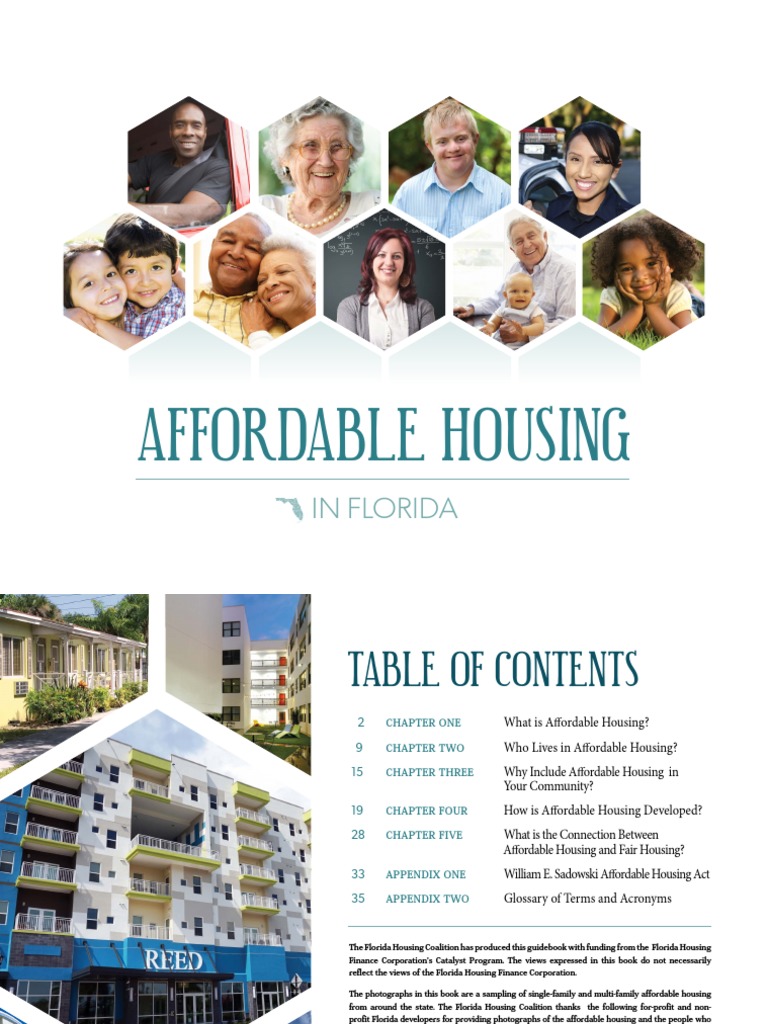
Understanding Florida’s housing market can be a daunting endeavor, especially when delving into the intricacies of affordable housing classifications. One particular area that often raises eyebrows is “Sector 3.” Have you ever pondered what this categorization entails and how it affects eligibility for housing assistance? Let’s unravel this conundrum!
Introduction to Housing Sectors
In the realm of affordable housing, various sectors are established to streamline the qualification process for potential homeowners and renters. Florida is no exception, having devised a classification system that organizes housing options into different sectors based on income levels, family size, and geographic regions. Among these classifications lies Sector 3, a group that holds significance not only for those trying to navigate the housing labyrinth, but also for policymakers and housing agencies.
Defining Sector 3
At its core, Sector 3 encompasses households that fall within a specific income bracket relative to the Area Median Income (AMI). This is a critical metric utilized by local governments and non-profit organizations to assess the affordability of housing within various communities. If you find those numbers a tad intimidating, fret not; they are meant to underline the government’s intention to provide equitable housing solutions.
Typically, Sector 3 targets families that earn between 61% and 80% of the AMI. This means that an individual or family making a modest income can qualify for assistance, which leads us to an essential aspect of understanding this sector: determining whether you meet the eligibility criteria.
Eligibility Criteria: The Gatekeepers of Sector 3
Eligibility for Sector 3 housing assistance is rooted in a couple of pivotal factors. Firstly, residency is a non-negotiable criterion; individuals must either reside or work within the specific county or municipality where the housing assistance is applied for. This creates a localized framework that ensures aid is directed toward those who truly need it within a community.
Secondly, the income guidelines are more than mere numbers—they act as a beacon, shining a light on the socioeconomic realities of the population. The AMI varies by location; thus, it is prudent to consult local resources to ascertain the exact thresholds mandated for Sector 3 eligibility. Remember, eligibility is not just about meeting income benchmarks—it is about demonstrating need and the potential for sustainable housing conditions.
Documentation: The Path to Approval
So, you’ve confirmed your eligibility based on the income guidelines, but hold your horses! Remember that the path to approval is paved with documentation. Applicants are typically required to furnish a range of documents, including proof of income, tax returns, and perhaps even rental history. These documents serve as a testament to one’s current economic standing and residential situation. However, the challenge doesn’t end there; applicants must also navigate potential waiting lists and availability of housing units, as demand often surpasses supply.
Types of Housing Available in Sector 3
Now, let’s explore the treasures that await those who qualify for Sector 3 assistance. Housing options can vary widely, encompassing multi-family units, single-family homes, and even some subsidized rental properties. Each option has its unique set of amenities and features, catering to a diverse population’s preferences. From chic urban apartments situated near employment hubs to charming homes in family-friendly neighborhoods—Sector 3 offers varied choices, affording individuals and families the opportunity to select a residence that complements their lifestyle.
Challenges Facing Sector 3 Households
As with any program or classification, Sector 3 households are not without their challenges. Despite the intent behind housing assistance, many applicants encounter hurdles ranging from bureaucratic red tape to limited availability of suitable housing. The multifaceted nature of these challenges can be daunting, leading many to question the efficacy of the system. How does one navigate these obstructions, especially in a housing market that seems to shift like sand? Patience and perseverance are often prerequisites for success.
Community Support: A Beacon of Hope
In the face of these challenges, community support can prove invaluable. Local nonprofits, housing authorities, and social service organizations frequently offer resources such as workshops, counseling, and guidance for applicants. Participating in community meetings or networking events can also help potential tenants learn about unlisted housing opportunities, lending a much-needed helping hand.
Conclusion: The Ripple Effects of Sector 3
Sector 3 serves as a crucial vector in Florida’s housing landscape, fostering accessibility and promoting equity for households that might otherwise struggle in a competitive market. By understanding eligibility requirements and navigating the inherent challenges, applicants can better position themselves for success. In a world where housing plays a pivotal role in shaping families’ futures and community wellbeing, investing time and effort into grasping the implications of Sector 3 offers both dividends and hope. After all, the quest for a home is not just about shelter, but the foundation for a brighter future.












