
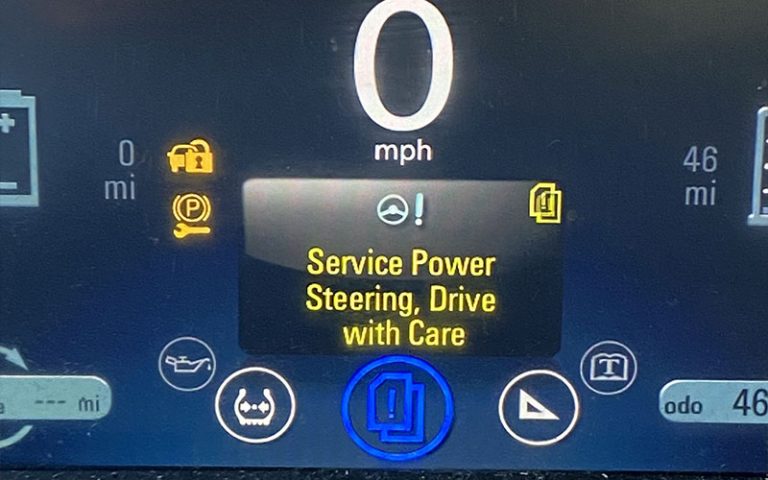
When you glance at your vehicle’s dashboard, a sudden alert catches your eye: the Service Power Steering light blinks ominously. This small yet significant emblem holds the key to the wellbeing of your car’s steering system and, ultimately, your safety on the road. Understanding what this alert means is paramount for any car owner. Let’s delve into the depths of this warning, its implications, and the action you should consider taking.
1. The Importance of Power Steering
Modern vehicles are engineered with power steering mechanisms that augment steering precision and ease, making it significantly less strenuous to maneuver the vehicle. Typically, power steering functions through hydraulic or electric assist systems, ensuring that even at low speeds, turning the steering wheel requires minimal driver effort. When the system falters, you may be left grappling with a heavy steering wheel, posing a challenge, particularly during tight turns or parking situations.
2. Decoding the Alert: What Does ‘Service Power Steering’ Mean?
When the Service Power Steering light illuminates, it is a signal from your vehicle’s onboard diagnostic system. It typically indicates a malfunction or a need for inspection within the power steering system. This could range from minor sensor issues to more critical failures in the hydraulic or electronic components, necessitating immediate attention.
It’s worth noting that this warning doesn’t necessarily mean your steering is completely inoperable; rather, it can signify potential trouble brewing beneath the surface. The apprehensive buzz in the back of your mind is justified, and it is vital to address these warnings with a mix of urgency and caution.
3. Common Causes for the Service Power Steering Light
Here’s where our curiosity is piqued. The reasons behind this warning light can span a broad spectrum. Below are several common culprits that could trigger the alert:
- Low Power Steering Fluid: Like any hydraulic system, a power steering mechanism relies heavily on having sufficient fluid levels. Finding this fluid has drained could be indicative of a leak or an unanswered service requirement.
- Worn Steering Belt: A frayed or loose steering belt can diminish the efficiency of the steering system, leading to potential failure. This wear and tear can be subdued initially, but the ensuing strain could trigger the alert.
- Electrical Issues: In vehicles equipped with electric power steering (EPS), malfunctions in the electronic control unit or wiring might lead to a loss of assistive power. Such issues may be elusive and complex, often requiring a technician’s deft touch to diagnose.
- Defective Power Steering Pump: Whether hydraulic or electric, a failing power steering pump can result in inadequate pressure or assist, leading to erratic behavior from your vehicle’s steering system.
- Faulty Sensors: The myriad sensors that monitor the steering system may become malfunctioning. These sensors communicate critical data to the vehicle’s computer, and any discrepancies can yield erroneous alerts.
Each of these causes holds its own nuances, and understanding them opens a path to appropriate responses or inquiries with your mechanic.
4. The Immediate Actions You Should Take
At the first sign of the Service Power Steering alert, ascertain your circumstances. Here’s how to navigate your next steps effectively:
- Check Fluid Levels: Begin by inspecting the power steering fluid reservoir. This simple exploratory step can provide immediate insights.
- Listen for Unusual Noises: Pay attention to any whining or grinding noises while turning the steering wheel. Such sounds could implicate further issues.
- Take Note of Steering Response: Is your steering feeling particularly heavy, or does it encounter moments of resistance? Document this behavior for discussions with a mechanic.
- Pull Over Safely: If the light stays illuminated while driving, pulling over safely to examine the vehicle may be prudent, especially if you experience any difficulties while steering.
5. When to Seek Professional Help
If after basic checks the light persists, it is time to engage a professional mechanic. The complexities of modern steering systems can be beyond a DIY approach, especially involving electronic diagnostics. A skilled technician will employ specialized tools to inspect, diagnose, and rectify the underlying issues.
Be prepared to share details of your observations; this will aid in a more precise diagnosis. Remember, ignoring the engine light encompasses risks that could spiral into more extensive and expensive repairs.
6. Preventive Measures and Maintenance
Prevention is always preferable to cure, and regular vehicle maintenance plays a vital role in this philosophy. Here are some strategies:
- Routine Inspections: Regular vehicle check-ups should include evaluations of the power steering system, fluid levels, and driving behavior assessments.
- Fluid Replacements: Adhering to the recommended schedule for power steering fluid changes ensures that your steering remains supple and responsive.
- Listen and Feel: Regularly pay attention to how your steering feels and sounds, allowing you to catch potential issues before they escalate.
7. Conclusion: Embracing the Knowledge
The Service Power Steering alert is not merely a red flag but an opportunity for proactive vehicle management. By understanding what this light signifies, you can harness knowledge as a tool for maintenance and safety. Rather than succumbing to trepidation, you can approach the situation with informed awareness, ensuring that your journey on the road remains smooth and secure. Stay curious, stay informed, and your vehicle will thank you for the care and attention it deserves.












