
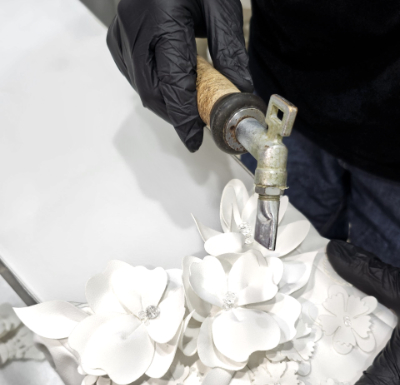
When it comes to fabric care, many of us often come across the term “Spot Clean Only” on care labels. But what does it really mean? Is it simply the easy way out for lazy fabric enthusiasts, or does it signify a deeper challenge for cherished garments? In this article, we will unravel the intricacies of spot cleaning, delve into the types of fabrics that require this specialized care, and explore the best methods to ensure your items remain pristine.
Spot cleaning is a method of removing stains from a specific area of a fabric, as opposed to immersing the entire item in water or detergent. This technique is often recommended for delicate or intricate materials where a full wash could result in damage. Have you ever wondered why certain fabrics are deemed unfit for a full wash cycle? Isn’t it frustrating to think that a beautiful garment might become a casualty of a washing machine? The truth is, some fabrics possess unique properties that render them sensitive to water and detergent.
To understand the need for spot cleaning, one must first consider the various fabrics that are common in our wardrobes. Luxurious fabrics such as silk, velvet, or wool often come with a “Spot Clean Only” designation. These fabrics are known for their elegance but also for their vulnerability. For instance, silk can easily lose its luster when exposed to soapy water, while velvet may develop unsightly watermarks. Additionally, fabrics with intricate embellishments like beadwork or sequins cannot endure the tumbling and agitation of a washing machine without risking damage.
Now, the next question that arises is: What constitutes a stain that can be treated with spot cleaning? Typically, spot cleaning is reserved for localized marks such as food stains, makeup smudges, or light soil. It’s crucial to tackle these issues promptly to prevent them from setting. But how do you approach the process? Here are steps to effectively execute spot cleaning:
1. Identify the Stain: Recognizing the type of stain is paramount. Different stains require different treatments. For example, oil-based stains behave differently from water-based ones. Understanding the underlying chemistry can facilitate more effective removal.
2. Gather Your Supplies: To execute proper spot cleaning, you will need a few essential items, including a clean white cloth or sponge, a mild detergent or a specialized stain remover, and clean water. Be mindful to avoid harsh chemicals that can exacerbate the problem.
3. Testing: Prior to application, it’s prudent to test the cleaning solution on a hidden area of the fabric. This ensures that the solution does not cause discoloration or further damage to the fabric.
4. Apply the Solution: Dampen the cloth or sponge with the cleaning mixture and gently dab the stained area. It’s vital to avoid rubbing, as this can spread the stain or damage the fibers. The key here is to blot—gently and patiently. You may also want to apply the solution from the outside of the stain inward to prevent it from spreading.
5. Rinse and Blot: After treatment, lightly rinse the area with a clean, damp cloth to remove soap residue. Follow up with a dry cloth to blot away excess moisture. Allow the treated area to air dry completely away from direct sunlight.
At this juncture, it’s worth noting that proper spot cleaning not only enhances the longevity of your garments but also retains their aesthetics. Imagine the heartbreak of a cherished dress losing its glory due to improper care! By honing spot-cleaning skills, you can protect your investments in fashion, ensuring that each piece reflects your personal style beautifully.
Additionally, the implications of “Spot Clean Only” extend beyond mere garment care. They often indicate a lifestyle choice. Individuals who invest in such fabrics typically seek quality over quantity. With the rise of fast fashion, these discerning consumers appreciate the artistry of finely crafted garments, making it essential to practice meticulous care routines.
However, the age-old debate lingers: is spot cleaning truly effective, or can it serve as a façade for potential future dilemmas? After all, while spot cleaning may tackle visible stains, it cannot solve underlying odors or deep-seated grime that may develop over time, especially in fabrics worn close to the body. For this reason, regular professional cleaning might be necessary, tailored to the specific fabric in question. This is where the expertise of a dry cleaner can come into play, offering solutions beyond the reach of home care.
Furthermore, understanding the importance of a fabric’s care label cannot be overstated. Ignoring the labels can lead to irreversible damage. The instructions are not merely suggestions; they are the key to maintaining the integrity of each piece. Yes, navigating the world of fabric care may seem a bit overwhelming, but with proper knowledge, it becomes a manageable feat.
In conclusion, the next time you encounter “Spot Clean Only” on a care label, remember that it encapsulates a sophisticated approach to garment maintenance. Spot cleaning signifies a commitment to excellence in fabric care, fostering a respect for the delicate materials that adorn our bodies. By embracing this form of care, you not only prolong the life of your garments but also enrich your overall wardrobe experience. After all, wouldn’t it be wonderful to indulge in sartorial pieces that continue to surprise you with their timeless beauty? The world of fabrics and their care invites you to embark on a charming and rewarding journey. Take the plunge!












