
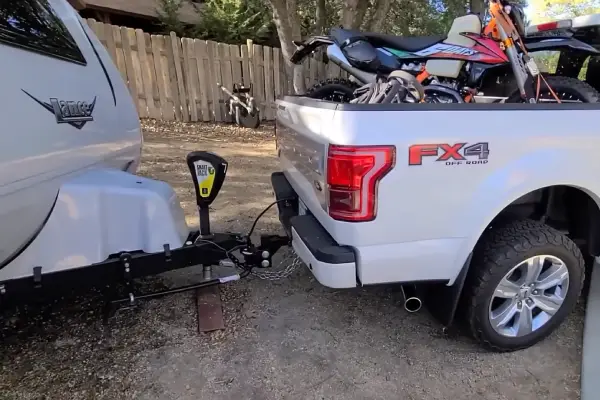
Understanding SRW: The Fascination with Truck Specifications
When delving into the intricate world of trucks, particularly in discussions centered around their capabilities, one term frequently arises: SRW, or Single Rear Wheel. For both enthusiasts and practical users alike, SRW represents more than just a configuration; it encapsulates a balance of power, versatility, and functionality that resonates across various applications. Whether for recreational endeavors or work-related tasks, understanding SRW is fundamental to grasping how trucks function within the larger framework of towing and payload capacities.
Defining SRW: The Basics
At its core, SRW trucks are equipped with a standard wheel configuration that features a single tire on each side of the rear axle. This contrasts with DRW (Dual Rear Wheel) trucks, which mount two tires on each side of the rear axle. While some may simply view SRW trucks as less imposing than their DRW counterparts, they play a vital role in specific operational contexts. The SRW design culminates in a lighter vehicle that often yields enhanced maneuverability and improved fuel efficiency—a significant consideration for many drivers.
Towing Capacity: Strength in Simplicity
Towing capacity is one of the most critical aspects of any truck, and understanding how SRW configurations fit into this arena sheds light on their capabilities. Generally, SRW trucks are designed to pull substantial loads but with limitations when weighed against DRW trucks. The single rear wheel setup means that while SRW trucks can still perform admirably in towing heavier items like boats or trailers, their maximum towing potential is typically less than that of DRW trucks.
SRW trucks are often capable of towing loads ranging from 6,000 to 12,000 pounds, depending on the specific model and engine configuration. This towing capacity is sufficient for many recreational users and small business applications. For instance, those who regularly transport lighter trailers for camping or hauling equipment can take advantage of an SRW’s agility and easier handling.
Payload Capacity: What It Means for the User
Equally important is the concept of payload capacity—the maximum weight a truck can safely carry in its truck bed or cabin. SRW trucks usually afford a payload capacity between 1,500 and 3,500 pounds, again depending on the model one chooses. Achieving a deeper understanding of payload capacity reveals its significance, especially for contractors and tradespeople who frequently transport tools, equipment, and materials to job sites.
When evaluating the payload capabilities of an SRW truck, it’s crucial to account for the truck’s Gross Vehicle Weight Rating (GVWR), which delineates the maximum allowable total weight, including both the vehicle and its cargo. Consequently, drivers can optimize their trucks’ potential by tailoring their load to remain within these specified limits.
The Advantages of SRW Trucks
Though SRW trucks may not boast the raw towing and payload numbers of DRW models, they bring several advantages that many find appealing. First and foremost is the ease of maneuverability. In urban settings or during tight loading situations, SRW trucks prove themselves more agile, with a turning radius that outperforms their dual-wheel counterparts. This attribute can prove invaluable when navigating crowded job sites or city streets.
Moreover, SRW trucks typically weigh less than DRW models. This allows for improved fuel efficiency, an important factor for those who rely on their trucks for daily transport. Lighter vehicles require less energy to operate, ultimately translating into lower operating costs over time.
Identifying the Right SRW Truck
Choosing the optimal SRW truck necessitates a comprehensive evaluation of personal or professional requirements. When deciding on a model, consider aspects such as the intended use—whether strictly for towing, recreational outings, or professional workloads. Additionally, buyers should assess the engine and transmission combinations, as these greatly influence both towing and payload capacities.
Another vital factor is the vehicle’s suspension system. SRW trucks often offer more comfortable rides than DRW configurations, owing to their simpler mechanics. Therefore, those seeking daily drivers that blend utility and comfort may find SRW trucks to be the most appealing choice.
Common Applications of SRW Trucks
SRW trucks find a niche in numerous applications, attesting to their flexibility. Construction workers, for example, may prefer them for their ability to transport tools without the cumbersome nature of a larger truck. For landscapers, the lightweight aspect of SRW trucks allows them to carry materials such as soil and plants while maintaining excellent fuel efficiency during daily operations.
Moreover, outdoor enthusiasts may gravitate toward SRW models for their towing capabilities when hauling campers or boats. Off-road adventures become readily accessible, with drivers appreciating the SRW’s robustness while navigating rough terrain without the unnecessary bulk of dual rear wheels.
Final Thoughts: The Allure of SRW Trucks
In summation, SRW trucks embody a harmonious blend of functionality and efficiency, appealing to a broad audience, from casual users to professionals. Understanding SRW means grasping its deeper implications on performance, safety, and suitability for diverse needs. As consumers navigate the complexities of truck specifications, recognizing the nuances behind SRW configurations leads to informed decisions that resonate throughout their driving journey. With each mile driven, the fascination with what SRW trucks can accomplish deepens, inviting exploration and connection with the road ahead.












