
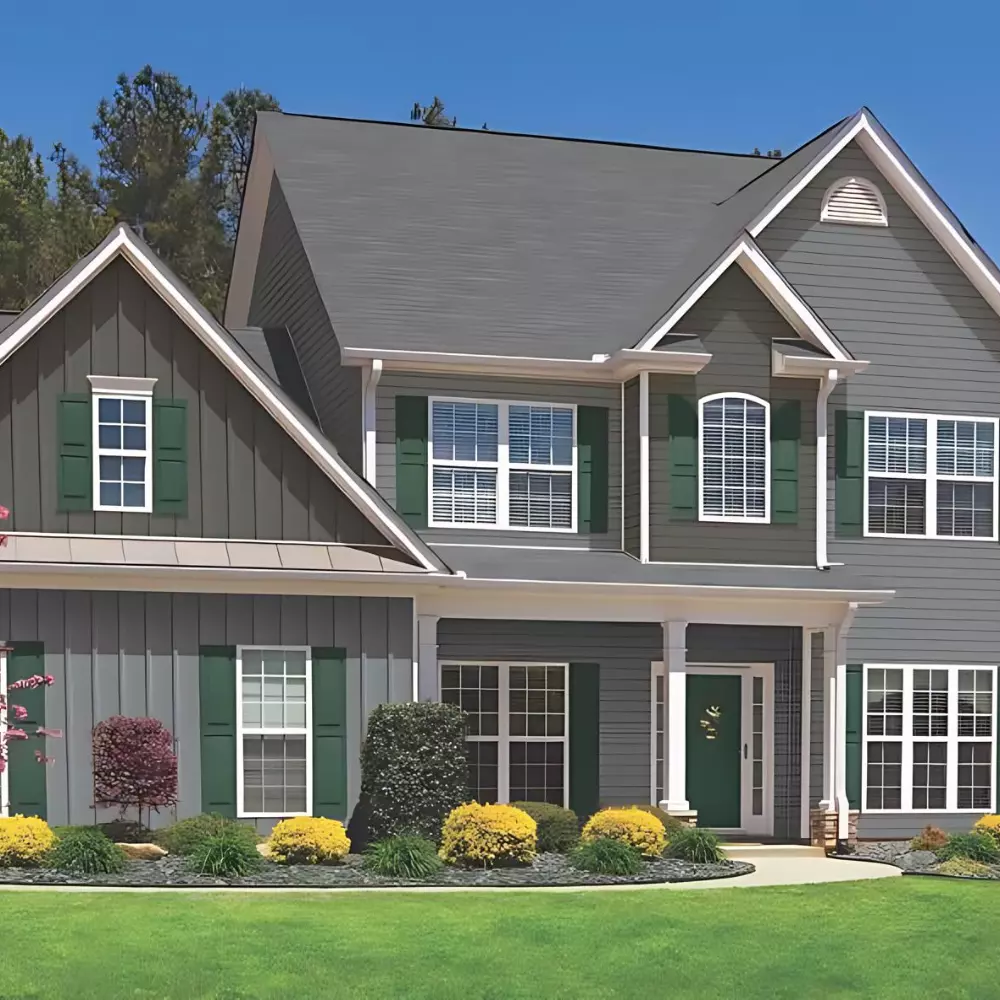
When it comes to investing in your home, the façade is as crucial as the foundation. Vinyl siding provides an exceptional balance of aesthetics and durability, but have you ever paused to ponder the meanings behind the enigmatic codes that accompany your selected vinyl products? Understanding these codes can feel like deciphering a modern hieroglyphic language, but fear not; unraveling this mystery can empower your home improvement choices. So, ready for a challenge? Let’s embark on an exploration of what these codes truly signify.
At first glance, the multitude of letters and numbers may seem overwhelming. However, they serve as a language of their own, designed to convey essential information about the vinyl products you may choose for your home. These inscriptions typically reflect details such as thickness, color percentage, and UV protection. It’s more than just a jumble of letters; it’s an essential guide crucial for making informed decisions.
So, what exactly do these codes denote? The most common coding system utilized in vinyl siding involves a combination of alphanumeric sequences and ISO standards. A well-known label to look for is the ASTM abbreviation. This stands for the American Society for Testing and Materials. It denotes compliance with stringent testing protocols to ensure your material can withstand the vicissitudes of nature, from gallivanting hailstorms to the unforgiving rays of the sun.
The initial numbers you might see often relate to the siding’s thickness measured in millimeters. Generally, thicker siding, which might range from 0.40mm to 0.60mm, provides improved durability and insulation properties. However, balance is key! Thicker materials can sometimes outweigh lighter alternatives in aesthetic terms, leading to a noticeable difference in overall curb appeal.
Moreover, vinyl siding codes may include letters indicating the material’s quality features, such as “UV” for ultraviolet protection and “SR” for solar reflectivity. What do these mean for you? In essence, UV ratings inform you how well the siding will resist fading and degradation when exposed to sunlight. Higher UV ratings suggest better protection against the sun’s relentless wrath, ensuring your home’s exterior maintains its luster for years to come.
Additionally, energy efficiency is becoming increasingly vital for modern homeowners. Codes denoting energy-saving features, such as an “E” for energy-efficient insulation within the siding, can significantly impact your home’s energy requirements. An informed choice here can translate into lower energy bills and a more comfortable living environment.
It doesn’t stop there; the color codes are yet another layer of complexity. Different manufacturers employ distinct systems to denote color variations; however, many utilize a number system representing a specific hue or shade in their catalog. A particular blend of pigments can dramatically affect how the siding behaves under varying weather conditions. Richer colors might absorb heat more effectively while lighter colors may reflect the sun, thereby contributing to energy conservation.
The purchase of vinyl siding is no trifling matter; thus, understanding these codes can be beneficial for maintenance as well. A code exhibiting “MA” may indicate a particular maintenance requirement, enabling you to ensure the longevity of your investment with minimal effort. Maintenance codes can guide you on cleaning methods and suggest potential issues to watch for over time.
Another element to consider is the warranty, often denoted by specific embedded codes as well. Different manufacturers provide varying warranty lengths and conditions. Grasping the warranty information through these codes can safeguard your investment and clarify any responsibilities or limitations regarding potential damage and performance issues.
The exploration of vinyl siding codes doesn’t merely stop at the product specifications; it also encompasses the ethical considerations behind your purchasing habits. Many leading manufacturers now include codes related to recyclability and sustainability practices. Codes denoting environmentally friendly choices could mislead a consumer’s decision-making process, making it pivotal to unravel their true meanings. Is that recycled material really sustainable, or is it merely a marketing gimmick?
Sometimes, this code jungle brings to light cautionary tales about scams in the home improvement world. We’ve heard horror stories of individuals lured by flashy marketing but left stranded with subpar materials that didn’t deliver what the code promised. Whether it’s a misleading color code or inadequate UV rating, being savvy to your siding’s coding can act as a powerful shield against such pitfalls.
Ultimately, the codes on your vinyl siding represent significant markers that encompass quality, performance, and longevity—all integral aspects of any homeowner’s quest for the perfect exterior. While confronting these codes may initially seem intimidating, understanding them can imbue you with the confidence to choose siding that matches your home’s needs and aesthetic vision.
In conclusion, the codes on vinyl siding are not mere embellishments; they hold the key to decoding your home’s potential. As we decipher this language of fabrics and colors, we unlock the gateway to making educated, insightful, and rewarding choices. The next time you venture into home improvement, armed with the knowledge of these coding systems, you’ll be more equipped to transform your vision into reality. Will you rise to the challenge?












