
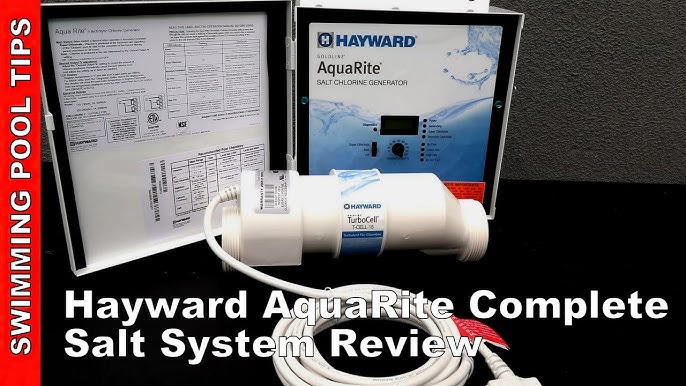
Understanding Diagnostic Codes on an Aqua Rite System
When you own a pool, maintaining its health and efficiency is paramount for a blissful summertime experience. Among the various tools designed to help manage pool systems, the Aqua Rite Salt Chlorinator stands out. This device not only ensures the water remains clear and sanitized but also employs a sophisticated system of diagnostic codes that indicate its operational status. Understanding these codes is vital for pool owners aiming to troubleshoot issues without resorting to external help. In this article, we will delve into the significance of these codes, their implications, and how you can utilize them to maintain your Aqua Rite system.
The Basics of Diagnostic Codes
Diagnostic codes serve as a language that communicates the operational state of your Aqua Rite system. These alphanumeric characters, displayed on the control panel, provide insights into both normal operation and potential malfunctions. The Aqua Rite system uses a range of codes to signify different conditions—from performance indicators to error alerts. When users become familiar with decoding these signals, they transform from passive observers to proactive maintainers of their pool’s health.
Common Diagnostic Codes and Their Meanings
The Aqua Rite system posts several standard codes that every pool owner should recognize. Let’s examine the most frequently encountered codes:
- Code 1: Low Salt Level
This code indicates that the salt level in your pool is below the operational threshold. A low salt concentration impedes the chlorinator’s ability to produce chlorine efficiently. Confirm the salinity level using a reliable salt tester, and if necessary, consider adding salt to restore balance. - Code 2: High Salt Level
Conversely, a high salt concentration can be equally detrimental. This code alerts users when salt levels are above the recommended range. High salinity can cause corrosion in metal parts and impact the overall efficacy of the chlorinator. Regular testing can help you maintain an ideal salt balance. - Code 3: No Flow
A common concern, this code appears when the water flow through the chlorinator is insufficient. This can be due to a variety of issues including clogged skimmers, blocked filters, or malfunctioning pumps. Addressing the flow rate is crucial to ensure proper chlorine generation and ultimately, clean water. - Code 4: High Temperature
High water temperature can hinder the chlorine production process. This code often arises in the peak of summer when water temperatures rise significantly. Maintaining optimal water temperatures not only ensures safety but also promotes efficient chlorination. - Code 5: Low Temperature
This code suggests that the water temperature is too low for effective chlorine generation, typically below 60°F. In colder months or during sudden weather changes, this code can trigger, prompting users to suspend chlorination until temperatures stabilize. - Code 6: Cell Cleaning Required
A pivotal code indicating the necessity for cleaning the salt cell. Calcium build-up and other debris can obstruct the electrolysis process. Regular maintenance of the cell, through cleaning, can extend its longevity and ensure efficient chlorination. - Code 7: System Error
This general error code suggests a malfunction within the Aqua Rite system itself. This may require more invasive troubleshooting or even consultation with a professional technician.
Understanding the Significance of Each Code
Each diagnostic code is more than just a sign pointing towards an issue; it embodies a complex interplay between chemistry, hydraulics, and electronics within the system. The dynamic nature of a pool’s ecosystem—affected by factors such as weather, debris accumulation, and usage—can significantly alter the readings of these codes. Hence, the fascination surrounding the Aqua Rite diagnostic codes lies in their ability to encapsulate various interactions that occur in your swimming pool environment.
Moreover, each code relays a deeper narrative about your pool’s condition, allowing owners to engage more effectively with their maintenance routines. For instance, a recurring Code 1 might suggest not just low salt levels but might indicate the need for greater attention to regular testing and seasonal adjustments. Understanding these nuances encourages a relationship with the pool—one that fosters attentiveness and care.
Proactive Maintenance: A Key Takeaway
Being aware of the Aqua Rite diagnostic codes is just the beginning; proactive maintenance is a critical aspect of ensuring the longevity and efficiency of the system. Regularly monitoring the salt level, checking for flow obstructions, and conducting timely cleaning routines will significantly reduce the chances of encountering severe malfunctions. Establishing a routine for these checks will allow users to catch potential issues before they escalate, ultimately saving time and money.
Final Thoughts
The world of pool management, while often overshadowed by the enjoyment of splashes and relaxation, is vital for an outstanding experience. The Aqua Rite system, equipped with its array of diagnostic codes, serves as an invaluable guide for pool owners. Through understanding and responding to these codes, pool enthusiasts can embark on a journey of effective maintenance, ensuring a pristine swimming environment is always at hand. As you navigate this aquatic responsibility, embrace the knowledge and empowerment these diagnostic codes provide, merging technology and nature in the most rewarding way.












