
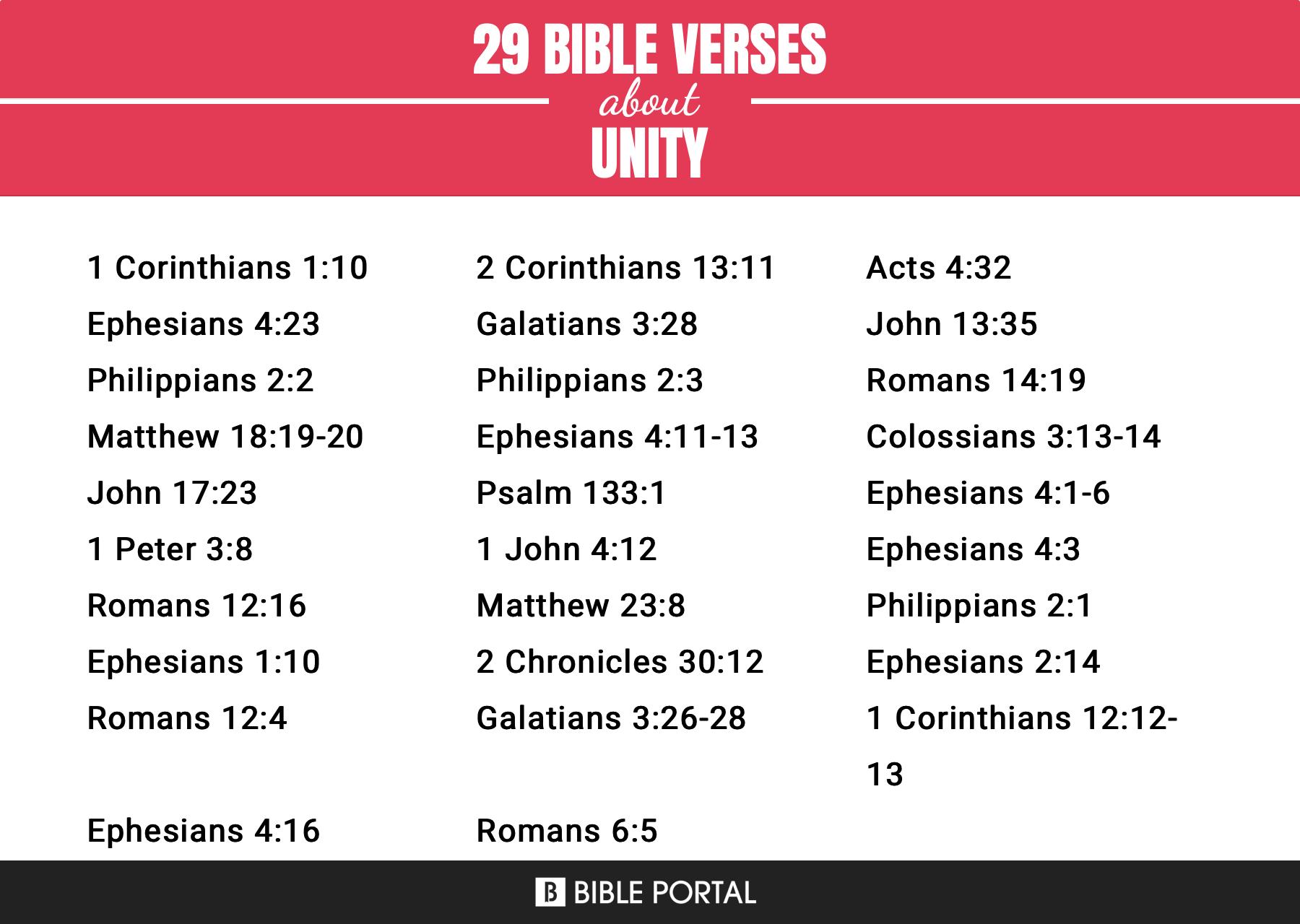
The number 2 in the Bible is frequently emblematic of unity and partnership. Throughout scripture, it signifies the importance of relationships, cooperation, and divine alignment. This deeply entrenched symbolism of unity can be explored through various lenses, including biblical narratives, theological interpretations, and practical applications in contemporary life.
First and foremost, the concept of duality is rooted in the creation account found in Genesis. In the beginning, God created man and woman—two distinct entities that together form the foundation of human relationship. Genesis 1:27 states, “So God created mankind in his own image, in the image of God he created them; male and female he created them.” The unity of the couple reflects a divine intention that humankind thrives in communion, illustrating that two is not merely a number but a divine principle.
Another significant biblical reference to the number 2 is encapsulated in the idea of partnerships and companionship. Proverbs 27:17 reminds us that “iron sharpens iron, and one man sharpens another.” This scripture emphasizes the vital importance of relationships that foster mutual growth and accountability. The portrayal of two individuals sharpening each other speaks volumes about the necessity of companionship in faith journeys.
The unity theme extends beyond personal relationships into the framework of the church itself. In Matthew 18:20, Jesus articulates, “For where two or three gather in my name, there am I with them.” This verse delineates the power of communal worship and shared belief, highlighting that divine presence is magnified in the midst of unity. Here, the number 2 signifies a multiplier effect, where gathering together, even in small numbers, can create a profound impact.
Transitioning from the personal to the communal, we find that the number 2 also represents covenantal agreements and the intertwining of destinies. In the Book of Amos, the rhetorical question, “Do two walk together unless they have agreed to do so?” (Amos 3:3), prompts readers to consider the significance of mutual understanding and consent in relationships. This interdependence serves as a poignant reminder that unity is not only about being together but also about shared values and aligned visions.
Moreover, the idea of unity through diversity is further illustrated in the New Testament. The Apostle Paul, in his first letter to the Corinthians, emphasizes that the body of Christ is made up of many parts, each with unique functions yet working towards a common purpose (1 Corinthians 12:12-27). This notion embraces the idea that unity does not necessitate uniformity. Instead, it cherishes diversity, demonstrating that the synergy between two distinct components can yield a holistic and vibrant community.
Delving deeper into the narrative spectrum, we observe the innovative parables and accounts where the number 2 is pivotal in communicating vital truths. For instance, the parable of the wise and foolish builders showcases two men who chose different paths. Their choices culminate in drastically different outcomes, underscoring the imperative of making sound decisions, often reflected in the counsel of others—those who walk alongside us in unity.
Practical applications of the number 2 in fostering unity are abundant in various church activities. From prayer partnerships to team ministries, the essence of working together can enhance effectiveness in reaching spiritual and communal goals. Additionally, marriage counseling often reinforces the biblical principle that “a cord of three strands is not quickly broken” (Ecclesiastes 4:12). The unity of husband, wife, and God speaks volumes about the strength derived from a triadic relationship, enriching the bond and solidifying commitments.
In the realm of theology, the number 2 can also be seen in the context of dualities that exist within the divine narrative. This includes the juxtaposition of grace and truth, the sacred and the secular, and the spiritual and the earthly. Each aspect contributes to a holistic approach to understanding God’s plan for humanity. The harmony of these dualities births a unified perspective that enhances the appreciation of the divine mystery.
Furthermore, the fundamental significance of the number 2 can be observed through the concept of witness and testimony. In Deuteronomy 19:15, the law states that “a matter must be established by the testimony of two or three witnesses.” This scriptural principle emphasizes the necessity of validation through collective affirmation, further illustrating unity’s integral role in establishing truth. In contemporary settings, this principle transcends religious contexts, advocating for collaboration in workplaces, community organizations, and interpersonal relationships.
In conclusion, the biblical significance of the number 2 transcends mere numerology; it encapsulates a profound narrative of unity, partnership, and relationships that span both divine and mortal interactions. Whether we reflect on the creation story, the dynamics of interpersonal relationships, or the structure of the church, the symbolic weight of two becomes evident. Embracing this understanding allows individuals and communities to cultivate deeper connections, champion diversity, and bear witness to the powerful effects of unity in all facets of life. As we continue to explore the spiritual implications of number symbolism, let us be reminded that through unity, even the most disparate elements can converge to form a holistic narrative of love and purpose.












