
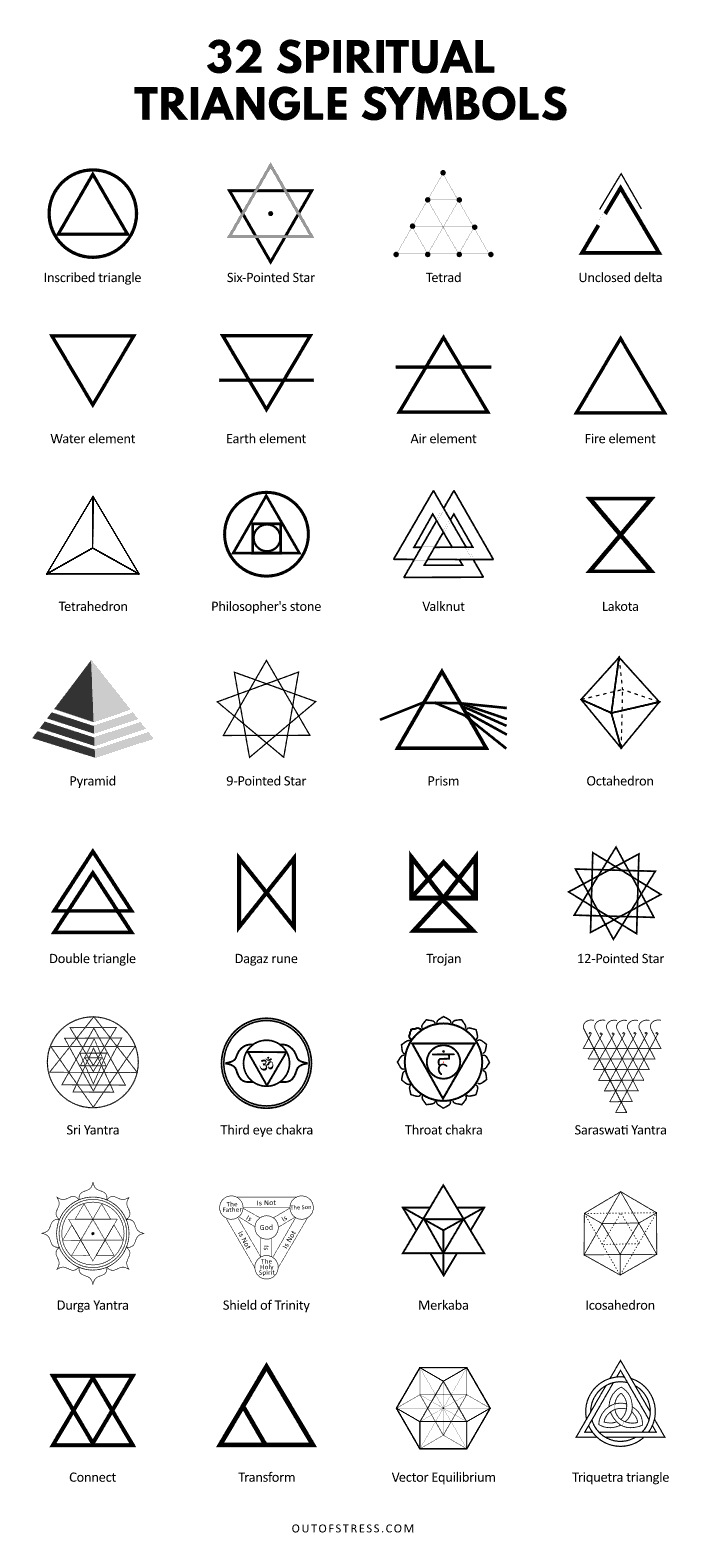
The triangle with a circle is more than just an intriguing geometric figure; it embodies a rich tapestry of meanings woven through centuries and cultures. Often referred to as the “spiritual triangle,” this symbol intrigues those who encounter it. Marking the intersection of three primordial elements, the triangle, when punctuated by a circle, evokes deep metaphysical significance that spans history, philosophy, and spirituality. Understanding its meaning invites a transformative shift in perspective, beckoning intellectual curiosity and spiritual exploration.
At its core, the triangle represents a triadic relationship. The number three holds a revered place in numerous traditions, symbolizing concepts like past, present, and future; birth, life, and death; and mind, body, and spirit. Consequently, the triangle often signifies integration and harmony among different facets of existence. When a circle is placed within this dynamic shape, it amplifies the essence of wholeness and unity. The circle, typically seen as a symbol of eternity, encases the triangle, suggesting that the powers within—whether they be spiritual, psychological, or elemental—are interwoven into a larger cosmic tapestry.
Delving into the annals of history, one can observe this symbol’s prominence in ancient civilizations. The Egyptians, for instance, utilized the triangle within their spiritual iconography, often associating it with the three gods of their trinity. In their paradigm, the triangle pointed towards the divine, the realm of the gods transcending the earthly sphere. The circle, meanwhile, evoked the concept of eternity, a reminder that the spirit does not perish but rather transitions through existence. Combining these elements, the Egyptian belief system illustrated the seamless interplay between the earthly and the divine—a core tenet of their spirituality.
In the context of alchemy, the triangle with a circle takes on additional significance. Alchemists adeptly employed symbols to encapsulate complex theories about matter and transformation. The triangle symbolized the three principles of alchemy—salt, sulfur, and mercury—representing the balance of opposing qualities: masculine and feminine, sun and moon, spiritual and material. Nestled within the protective embrace of the circle, these triangles often depicted the synthesis of these dualities. Thus, the symbol emphasizes a transformative journey toward enlightenment and inner equilibrium.
Can we overlook the interpretation of this symbol through the lens of sacred geometry? In many cultures, geometric patterns serve as conduits for spiritual understanding, revealing the underlying mathematical principles of the universe. The triangle and circle together illustrate the concept of interconnectedness; unity exists in diversity. The vertices of the triangle timely mirror the fundamental forces of nature, while the circle reinforces the idea of perpetual motion and continuity. This harmonious design can evoke questions surrounding our existence: How do we find balance amid life’s complexities? What role do we play in the greater cosmic fabric?
Further still, this fascinating geometric formation permeates various spiritual traditions. In Christianity, for instance, the triangle often symbolizes the Holy Trinity—Father, Son, and Holy Spirit—while the circle can represent divine perfection and the timelessness of God. When depicted together, they remind believers of the eternal nature of divine grace and the inextricable link between the divine and humanity. Such symbols hold the potential to offer deeper insights into how faith and spirituality intertwine, inviting individuals to ponder their connections to the divine.
Moving beyond the confines of religious symbolism, modern interpretations of the triangle and circle have proliferated, especially within the realm of psychology. Carl Jung, the famed psychoanalyst, explored symbols extensively, positing that geometric shapes resonate deeply within the human psyche. The triangle, with its dynamic angularity, may epitomize the force of will and personal agency, while the encompassing circle reflects the subconscious and a sought-after state of wholeness. The struggle to achieve a harmonious integration of these facets resonates with many—an endeavor applicable to contemporary quests for identity and understanding.
In contemporary art and design, the triangle with a circle serves as an emblem of creativity and innovation. Artists utilize this symbol not only for its aesthetic appeal but also for its profound implications regarding balance and the synthesis of ideas. In a world replete with dichotomies, artists and thinkers frequently highlight the importance of bridging gaps through creativity, highlighting unity in diversity and the ability to transcend perceived limitations.
To further pique curiosity, one might consider how this symbol appears in everyday life. From logos to architectural designs, the triangle with a circle encroaches various domains of culture and industry. Recognizing its omnipresence poses critical inquiries: How often do these symbols inform our perception? Do they provoke us to reflect on our values, beliefs, and emotional landscapes? The circle enclosing the triangle offers profound insight into the interconnectedness of ideas, emotions, and our aspirations toward wholeness.
Embracing the triangle with a circle as a catalyst for a deeper understanding can enrich our explorations of self and existence. It inspires us to examine our relationships with the divine, the universe, and the complex interplay of forces within our lives. As we navigate through the myriad meanings encapsulated in this compelling symbol, we are encouraged to remain open to insights that can shift our perspectives and illuminate our journeys.
In conclusion, the triangle with a circle stands at the crossroads of history, spirituality, psychology, and art. Its layers of meaning beckon us to explore the symbiotic relationships that govern our lives. To engage with this ancient symbol is to embark on a journey of discovery—one that invites us to connect the threads of existence and appreciate the beautiful intricacies that define our shared humanity.












