
When you delve into the world of fashion, one term you’re bound to encounter frequently is “true to size.” But what does this elusive phrase truly mean? Is it just a marketing gimmick, or does it hold substance in the intricate realm of clothing fit? This question poses an intriguing challenge for both seasoned fashion aficionados and those merely seeking to upgrade their wardrobe.
At its core, “true to size” is a descriptor used by brands to convey that their clothing items correspond closely with conventional sizing standards. However, the path to understanding this concept is not as straightforward as one might hope. Let’s embark on a journey to demystify the intricacies of clothing fit while exploring the underlying nuances of what it means for apparel to be “true to size.”
The History of Clothing Size Standards
To fully grasp the significance of “true to size,” we first need to explore the historical context of clothing sizes. The standardization of clothing sizes emerged from a desire to streamline the shopping experience and minimize the discrepancies among manufacturers. Before these standards, clothing was often tailored explicitly to individual measurements, rendering it a privilege of the affluent.
Throughout the 20th century, statistical studies were conducted to determine average body dimensions based on national census data. Consequently, these statistical findings spawned the modern sizing charts we frequently rely on today. While this standardization was a giant leap towards inclusivity, it also introduced an intricate and often perplexing conundrum: sizing is inherently influenced by a multitude of factors, including body shape, fabric, and even regional considerations.
Decoding True to Size
The phrase “true to size” typically implies that a garment’s measurements align precisely with the numerical size it represents. For instance, if you purchase a medium, the garment should fit like other mediums from different brands. However, this assumes the company adheres to industry standards, which is often not the case.
Consider this: one brand’s definition of medium might differ vastly from another’s. Thus, a shirt labeled as a medium from one retailer could feel entirely different when you try on a medium from another. This phenomenon is colloquially known as “size variance,” and it is where discrepancies arise in the shopping experience. For some, the confusion can be maddening. How can you shop with confidence if each brand interprets size differently?
The Role of Fit Models
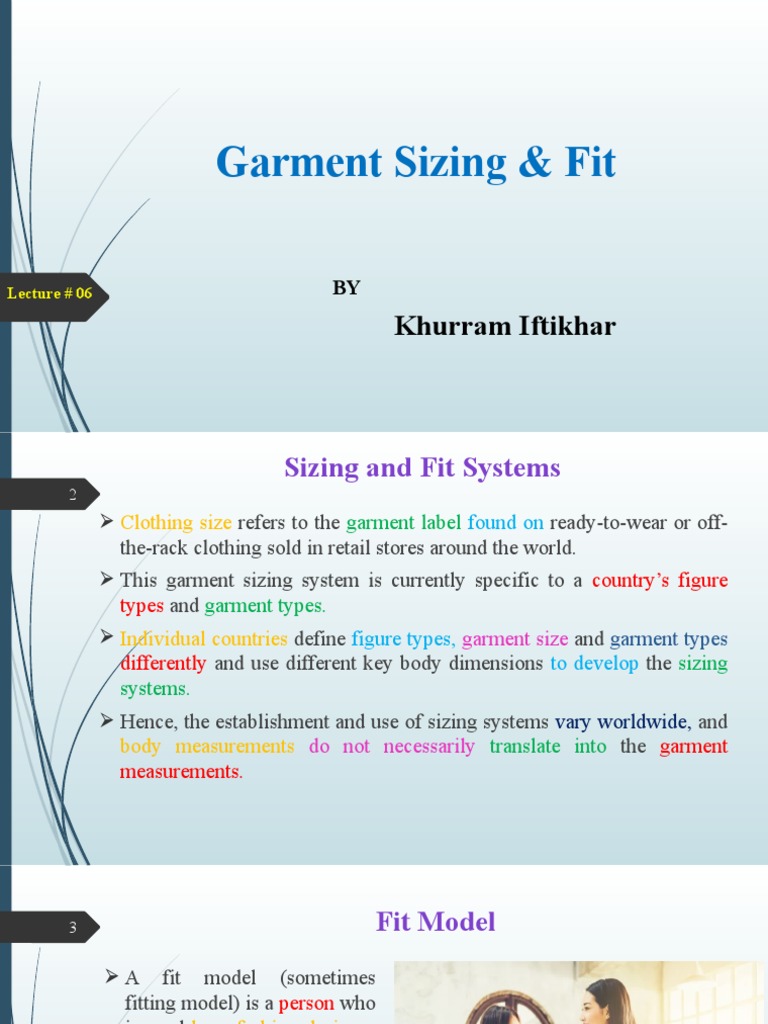
Another fascinating component to consider is the role of fit models in the fashion industry. Brands typically use fit models to gauge how well their clothing conforms to specific size categories. These models have standard measurements, often matching a size 4 or 6, which can unintentionally bias what “true to size” means for the average consumer. For plus-size garments, the dynamics are equally complicated. Misalignments can result in ill-fitting clothing, regardless of the brand’s claims of being “true to size.”
Factors Influencing Fit: Beyond Size
As one dives deeper into the subject of clothing fit, it’s essential to recognize that size is merely one aspect of the equation. Here are several other factors that can significantly impact the way a garment fits:
- Fabric Type: Different materials behave uniquely. Stretchy fabrics may allow for a snugger fit, whereas rigid materials can feel more constricting.
- Silhouette and Style: Tailored items will generally fit more closely to the body than loose or oversized styles, even if they share the same size label.
- Body Shape: Not all bodies are created equal. Variations in body shape—pear, apple, hourglass—can dramatically alter how clothing fits, irrespective of the size indicated.
Because of these aspects, a garment that is labeled “true to size” for one individual could fit poorly for another.
The Importance of Fit Documentation
To mitigate the frustrations inherent in sizing discrepancies, many brands have begun providing detailed fit documentation. By including definitive measurements, like bust, waist, and hip measurements next to size options, brands empower consumers to make informed decisions. Moreover, guidelines like fit descriptions (e.g., relaxed, tailored, oversized) contribute to comprehending how a garment may operate within a wardrobe.
Yet, it remains pivotal for consumers to take proactive steps when shopping. With many companies also offering customer reviews alongside measurements, gleaning insights from other wearers can help construct a clearer picture of whether a garment aligns with the notion of being “true to size.”
Conclusion: Navigating Your Fit Journey
As you embark on your fashion journey, acknowledging the nuanced definition of “true to size” is paramount. It invites you to question what that term means for your unique body type and style preferences. Keep in mind the historical context of sizing standards, the influence of fit models, the complexity of fabric characteristics, and the importance of thorough documentation to guide your purchasing decisions. Ultimately, the goal is to foster a wardrobe where clothing not only fits appropriately but also celebrates your individuality and style.
The journey to finding the perfect fit may be riddled with challenges—but it is also imbued with exciting possibilities. Armed with understanding, you can navigate this intricate landscape and confidently embrace the concept of being “true to size.” The exploration itself can be a delightful adventure, leading to confidence in your choices and joy in the art of dressing well.












