
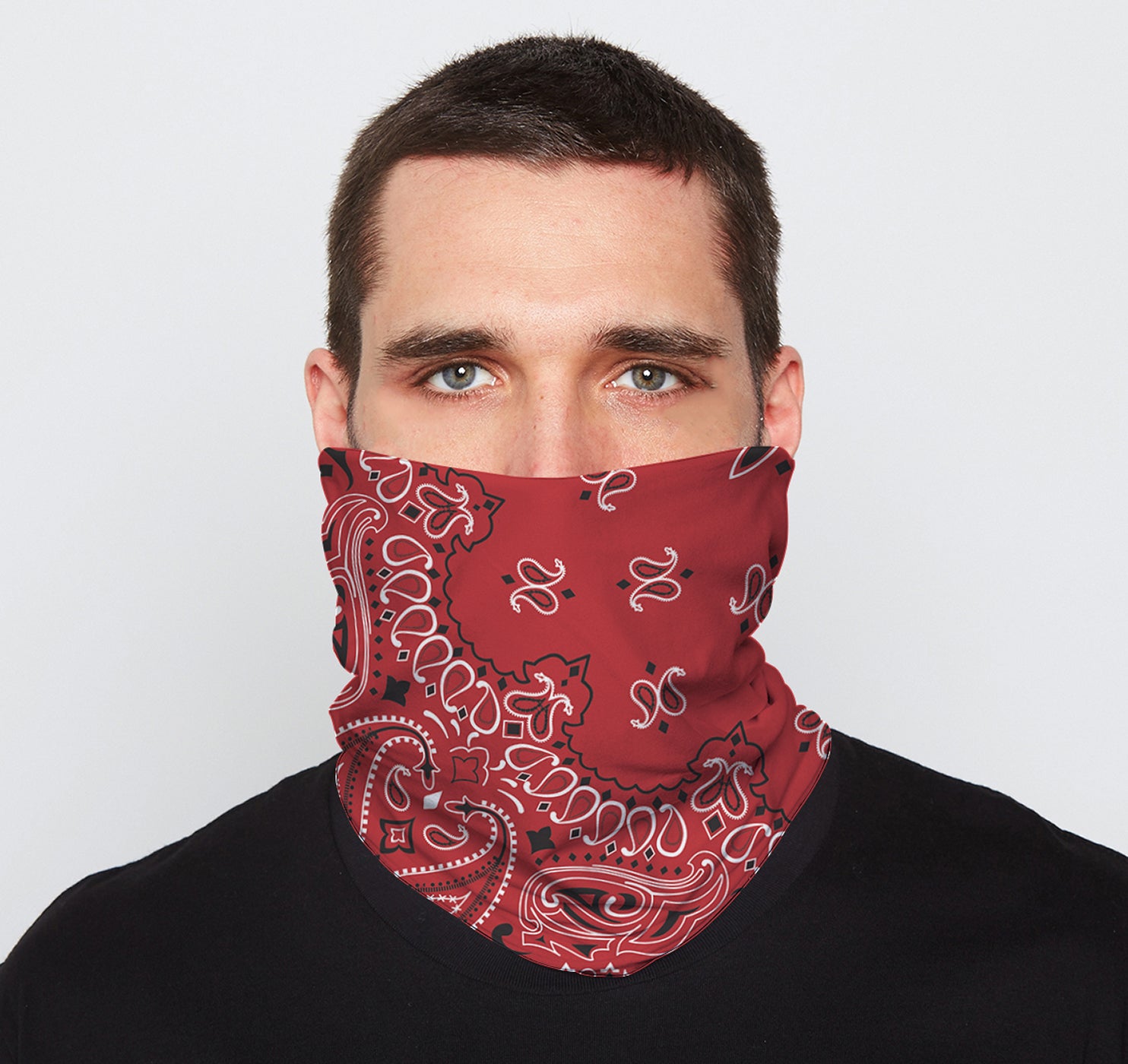
When you see someone adorned with a red bandana around their neck, what do you think? Is it merely a fashion statement, or does it carry deeper social connotations? The red bandana is more than just a piece of fabric; it encapsulates a rich tapestry of cultural significance, historical symbolism, and personal identity. As we unravel the layers surrounding this accessory, you may find that its meaning extends far beyond its striking color.
Historically, bandanas have roots in various cultures around the globe, dating back to the 18th century. These cloths, usually featuring intricate patterns, were originally used for practical purposes, including keeping sweat at bay and shielding the neck from the sun. However, as time progressed, bandanas evolved into symbols of identity, rebellion, and fashion. The color red, in particular, gained prominence in specific subcultures, leading to the question: what does wearing a red bandana around the neck truly signify?
One of the most prominent associations with a red bandana is its connection to various social movements and subcultures. Throughout American history, the red bandana has represented solidarity among certain groups. For instance, it has been adopted by the working class, particularly during the labor movements of the early 20th century, as a marker of resistance against oppressive working conditions. Wearing a red bandana was a way for workers to showcase their steadfastness and commitment to their cause.
In the realm of fashion, the red bandana has found its way into the wardrobes of numerous style icons and trendsetters. Its versatility allows it to be donned as a headband, wrist accessory, or around the neck, creating a myriad of looks. Today, its popularity has surged within streetwear culture, where it often signifies rebellion against mainstream norms. In this context, the red bandana can be viewed as a tool for self-expression, allowing individuals to carve out their unique identities within a crowded landscape.
However, the red bandana is not without controversies. It’s essential to acknowledge its complex association with gang culture in certain regions, particularly in the United States. The color red has been emblematic of the Bloods, a prominent street gang. Consequently, wearing a red bandana can evoke fear or disdain in some communities due to its ties to violence and criminal activity. This duality highlights how a single color can elicit vastly different responses depending on context and perspective.
On a more personal level, individuals might wear a red bandana as a protective talisman or a badge of honor. For some, it symbolizes a connection to their heritage or familial roots. In the American South, for example, the red bandana has been adopted by certain communities to represent pride in their history and resilience against adversity. This personal meaning can be deeply rooted in family tradition, making the bandana a powerful emblem of identity.
Aside from cultural and personal significance, the aesthetics of a red bandana cannot be overlooked. Its vibrant hue invokes feelings of passion, energy, and warmth. In a predominantly monochrome world, the boldness of red serves to attract attention and stimulate conversation. This electrical energy is perhaps why many individuals choose to wear it—because it transforms the mundane into something vibrantly alive. The red bandana thus transforms the neck into a focal point of interest, invoking curiosity about the person who wears it.
Interestingly, the act of wearing a bandana can serve as a form of non-verbal communication. It can signal a variety of messages depending on how it is worn and in what context. For instance, tying a bandana around the neck may convey an attitude of fearlessness, an homage to one’s roots, or even a declaration of rebellion. In this way, the red bandana becomes a canvas upon which the wearer can paint their own narrative, allowing others a glimpse into their unique story.
In recent years, the red bandana has experienced a resurgence as part of activism, especially among younger generations. The visual potency of the bandana has made it a staple at protests and rallies where individuals seek to make a statement about social justice. Wearing a red bandana in this context can signify hope, solidarity, or a call to action, uniting individuals through shared values and collective purpose. It amplifies voices that may otherwise remain unheard, acting as a physical representation of the fight for equality and justice.
As we explore the myriad meanings behind the red bandana, it becomes evident that this simple accessory bears a wealth of implications. It transcends mere fashion into a realm of cultural significance, personal storytelling, and social commentary. Whether as a symbol of resistance, an emblem of identity, or a statement of style, wearing a red bandana around the neck invites curiosity and promises a shift in perspective. Each time you spot someone with this vibrant accessory, take a moment to ponder the multifaceted history and meaning that accompanies it—what stories, struggles, and triumphs might be woven into its fabric?
Indeed, the red bandana is not merely a piece of cloth but a representation of humanity’s relentless quest for identity, connection, and expression. As such, it becomes a conversation starter, encouraging us to discuss the intricate layers of meaning hidden beneath its brilliant facade.











