
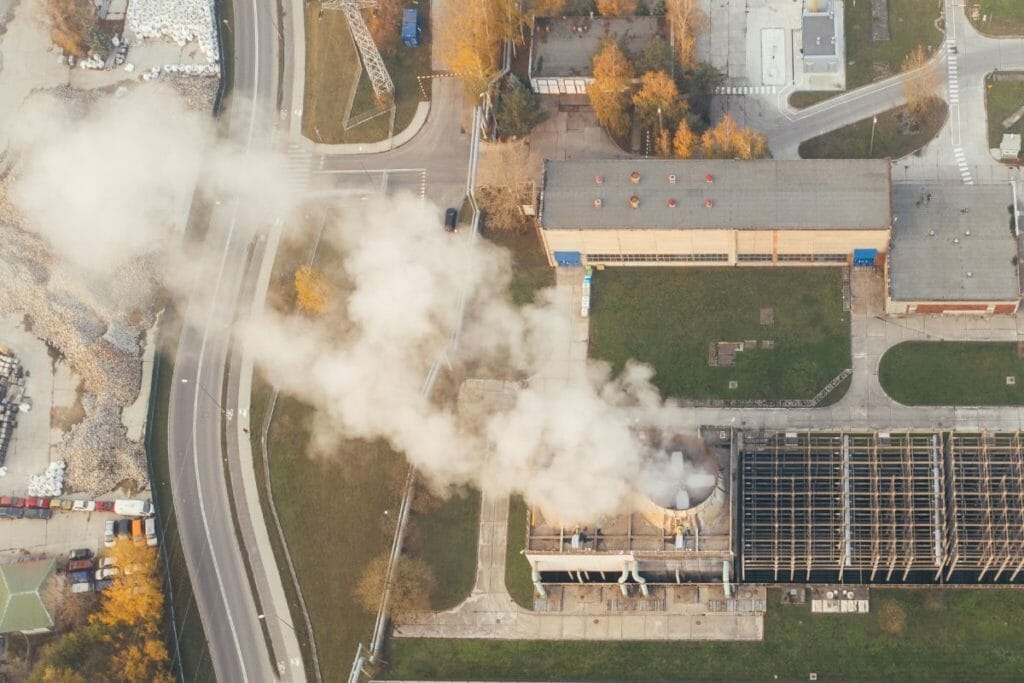
Fire is a potent and enigmatic natural phenomenon that has intrigued humanity for centuries. Among its many mysteries, the color of the smoke it produces can be particularly revealing. White smoke, with its captivating appearance and distinct characteristics, carries a wealth of information about the combustion process. In this exploration, we delve into the significance of white smoke in a fire, unveiling its causes and the underlying implications it signifies.
Understanding Smoke: A Colorful Palette
Smoke, an amalgamation of solid, liquid, and gas particles, originates from combustion—a reaction between a fuel and an oxidizer. The color of smoke can range dramatically, from the pitch black of dense, incomplete combustion to the delicate hues of gray and white. Each shade conveys vital information about the fire, the materials involved, and the efficiency of the combustion process.
When one encounters white smoke, curiosity often piques. What does it mean? Are conditions favorable, or is there cause for concern? To comprehend white smoke’s implications, we must dissect its causes and significance.
The Causes of White Smoke
White smoke typically arises from the burning of certain materials or a specific combination of factors. Understanding these elements can unveil the hidden meanings behind what one observes in a fire setting. Here are the primary contributors to white smoke:
1. Incomplete Combustion of Organic Materials
When organic materials like wood, paper, or leaves burn, they release volatile gases. In cases of incomplete combustion, when there is insufficient oxygen present, these gases can accumulate and manifest as white smoke. The moisture content in these materials also plays a role; when water vapor condenses, it contributes to the white appearance of the emitted smoke. This scenario is often witnessed in outdoor fires, campfires, or forest blazes.
2. Burning of Plastics and Synthetic Materials
Another notorious contributor to white smoke is the combustion of plastics and other synthetic materials. These materials contain significant chemical additives that, when ignited, produce a plume of white smoke. This phenomenon is often accompanied by noxious fumes, highlighting the hazardous nature of burning such pollutants. While the smoke may appear innocuous, it often conceals the potential for environmental and health complications.
3. Moisture: A Crucial Factor
The presence of moisture in fuels magnifies the likelihood of producing white smoke. When materials such as freshly cut wood or damp vegetation are burned, the water vapor released mixes with the smoke, resulting in an opaque, white appearance. Interestingly, this moisture can sometimes hinder combustion efficiency, leading to a more pronounced accumulation of smoke.
4. Fire Extinguishing Agents
White smoke is not solely an indicator of combustion activities; it can also indicate the use of fire extinguishing agents. Certain extinguishing chemicals, particularly those in aqueous film-forming foams and certain dry agents, can produce a white mist upon application. This whitish cloud can mislead observers, prompting them to think that a fire is still active when, in fact, it is being quelled.
5. Fireworks and Explosive Materials
In some contexts, the occurrence of white smoke can be linked to fireworks or specific types of explosives. The chemical compositions used in fireworks often yield a striking white smoke as a byproduct of their detonation. In these cases, the smoke is a theatrical display, capturing the viewer’s attention while sublimating the underlying chemistry at play.
Interpreting the White Smoke: What Does It Reveal?
While white smoke can announce benign or even celebratory events like fireworks displays, it is essential to discern its nuances in fire scenarios. The implications of white smoke can vary markedly depending on the context, and being attuned to its signals can be critical.
1. Assessing Fire Hazard Levels
In accidental fires—particularly those within residential or industrial settings—white smoke often signals inadequate combustion. This can suggest that the fire is burning inefficiently, possibly leading to dangerous conditions. While the fire may be under control, the production of excessive smoke can indicate underlying hazards, such as the potential for flashovers or the release of combustible particulates. Vigilance is crucial in such cases.
2. Environmental Concerns
The source of white smoke can reveal significant environmental issues. For instance, burning synthetic materials leads to harmful pollutants entering the atmosphere, posing long-term dangers to air quality and public health. This facet underscores the importance of responsible fire management practices that emphasize the safe disposal and burning of materials.
Embracing the Complexity of Smoke
Fire evokes both awe and trepidation, underscored by its elemental power and the various colors it paints in the sky. White smoke, often seen as innocuous, emerges as a complex communicator, sending essential alerts about the combustion processes at play. By understanding its causes and implications, one can cultivate a deeper respect for fire, recognizing that even its lighter shades are entrenched in intricacies worthy of exploration.
As curiosity remains kindled, remember that observing smoke patterns can serve as a fascinating portal into the world of fire science. White smoke, for all its ethereal qualities, reminds us that beneath the surface lies a narrative waiting to be discovered, revealing the intricate dances of heat, chemistry, and environmental interplay.












