
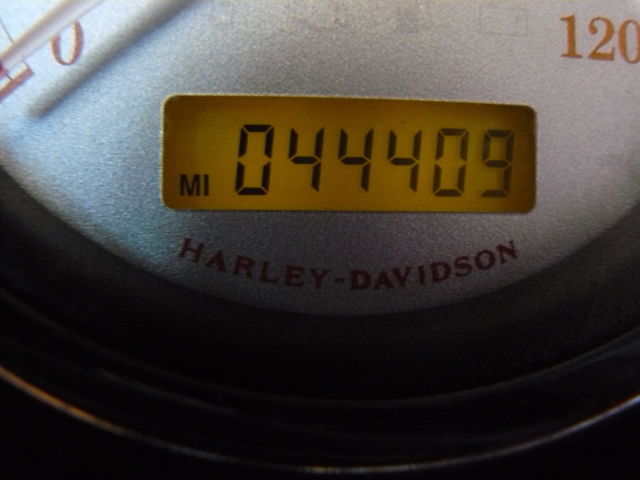
The gauges on the 2009 Harley Davidson Ultra Classic are not merely instruments displaying numbers; they represent an intricate web of connectivity between the rider and machine. Understanding these gauges is pivotal for optimizing the riding experience and ensuring not only comfort but also safety. This article unravels the meanings behind these gauges, delving into their function and significance, while revealing the underlying passion that connects enthusiasts to these iconic motorcycles.
The Ultra Classic is a marvel of engineering, designed with both aesthetic appeal and functionality in mind. Riders may notice various gauges adorning the dashboard, each serving a distinct purpose that goes beyond basic information. Let’s explore these gauges comprehensively, from their role in monitoring engine performance to enhancing rider awareness.
Speedometer: The Pulse of Freedom
At the forefront of the gauge lineup, the speedometer depicts the motorcycle’s current velocity. This gauge is not simply about numbers; it embodies the spirit of freedom that riding offers. As the needle dances along the dial, it mirrors the exhilarating rush of the open road. The speedometer ensures that riders remain within legal limits while also providing insights into fuel efficiency and engine performance. A rider who monitors their speed carefully not only avoids potential legal woes but also cultivates a deeper connection to their journey—each mile a testament to adventure.
Tachometer: The Heartbeat of the Engine
Adjacent to the speedometer, the tachometer serves as the heartbeat of the engine. This gauge reveals the engine’s RPM (revolutions per minute), providing vital feedback on how the motorcycle is performing. Maintaining an eye on the tachometer allows riders to prevent engine strain by shifting gears at optimal RPMs. A deeper understanding of engine dynamics can enrich the riding experience, cultivating a bond between the rider and their machine that resonates with mechanical harmony. The tachometer, thus, becomes a symbol of responsiveness; it empowers the rider to optimize performance while navigating diverse terrains.
Fuel Gauge: The Economic Oracle
No journey is complete without fuel, and the fuel gauge acts as an economic oracle, indicating the remaining fuel in the tank. This gauge is particularly salient on long rides, where miscalculating fuel reserves could lead to unforeseen interruptions. Riders develop an intuitive understanding of their motorcycle’s fuel consumption patterns over time, which not only enhances their planning but accentuates their attachment to the bike. Nonetheless, the fuel gauge represents more than just practicality; it encapsulates the exuberance for planning and adventure, urging riders to explore new horizons while respecting their machine’s limitations.
Oil Pressure Gauge: The Lifeblood Indicator
Transitioning from the fuel gauge, the oil pressure gauge emerges as the lifeblood indicator of the engine. This gauge signifies the health of the engine, relaying critical information regarding oil circulation. An indicator of either normal or low oil pressure can pivot the rider’s immediate attention, making it clear that maintenance is paramount for a smooth ride. By keeping a vigilant eye on oil pressure, riders safeguard their investment, ensuring longevity and peak performance. Understanding the importance of this gauge fosters a deeper appreciation for the intricacies of motorcycle maintenance.
Voltmeter: The Electrical Sentinel
In a world increasingly reliant on technology, the voltmeter assumes the role of the electrical sentinel, monitoring the voltage of the battery and charging system. Awareness of the battery’s condition can prevent a mid-ride breakdown, contributing to a seamless experience. As advanced systems in motorcycles evolve, such as GPS and multimedia devices, the significance of battery health cannot be overstated. A vigilant rider who acknowledges the importance of the voltmeter fosters not only operational reliability but also nurtures a deeper understanding of motorcycle mechanics, thereby enhancing their riding experience.
Temperature Gauge: The Thermometer of the Heart
The temperature gauge, often overlooked, serves as the thermometer of the heart, monitoring the engine’s operational temperature. Understanding this gauge is crucial; an overheating engine can lead to severe damage and costly repairs. By recognizing the signs of excessive heat, riders can make informed decisions regarding their riding patterns, perhaps pulling over for a cooling break or making adjustments to their driving style. This gauge ultimately underscores the balance between exploration and preservation, reminding enthusiasts that every ride carries its risk and reward.
Conclusion: A Compendium of Connection
The gauges on the 2009 Harley Davidson Ultra Classic transcend mere functionality; they embody a rich tapestry of connection between the rider and their motorcycle. Each gauge contributes vital information that, when heeded, elevates the riding experience beyond the ordinary into realms of engagement and excitement. Understanding these instruments fosters a deeper appreciation for the art of motorcycling—an appreciation rooted in knowledge, emotion, and a spirited quest for adventure.
Riders embarking on their journeys must take the time to familiarize themselves with these gauges. Whether traversing highways or winding back roads, they are not just indicators; they are gateways to understanding the intricate mechanisms of the Ultra Classic. Ultimately, their importance in the riding experience highlights why motorcycles inspire such passion and devotion in those who cherish the thrill of the ride.












