
In a world where the line between legality and illegality can often be blurred, the concept of drug conspiracy emerges as a perplexing yet critical subject within the realm of criminal law. But what exactly constitutes a drug conspiracy? Is it merely an informal gathering of like-minded individuals, or does it encapsulate a more intricate web of illicit activities? This inquiry leads us to a potent challenge: understanding the legal definitions while recognizing the precarious nuances that dictate enforcement.
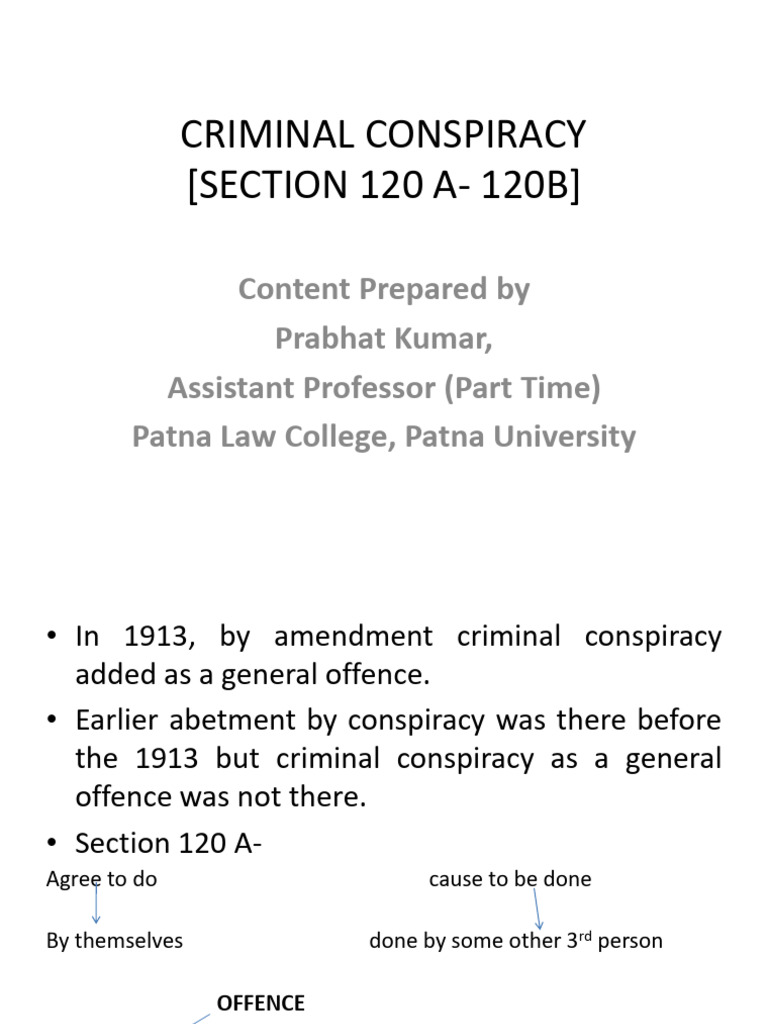
At its core, drug conspiracy is defined as an agreement between two or more parties to engage in illegal drug-related activity. The key element here is the collaboration—it’s not enough for one person to simply intend to commit a drug crime. Instead, conspirators must have a shared goal. This principle is enshrined in federal and state statutes, which establish that the mere existence of a conspiracy can be grounds for prosecution, even if the intended crimes do not come to fruition.
To comprehend the legal definition of drug conspiracy, we must dissect its components. First and foremost, there must be a conspiracy agreement. This agreement does not need to be formal or written; it can be tacitly understood among individuals involved in the drug trade. However, it is crucial that all parties consent to the plan, demonstrating a mutual intent to carry out the conspiracy.
Next, the criminal objective must revolve around drug-related activities. This encompasses a wide array of actions, ranging from the manufacture, distribution, possession with intent to distribute, to the trafficking of controlled substances. The law categorizes drugs based on their potential for abuse and medical utility, creating various schedules of drugs that delineate legal boundaries. For instance, substances categorized under Schedule I, such as heroin and LSD, are deemed to have no accepted medical use and a high potential for abuse, making their conspiracy illegal from the outset.
One might wonder how law enforcement substantiates a drug conspiracy charge. This leads us to the crucial aspect of overt acts. In many jurisdictions, it is required that at least one of the conspirators take an overt act in furtherance of the conspiracy. This act can be as seemingly innocuous as renting a storage facility, making phone calls, or purchasing materials to produce drugs. Such actions serve as tangible evidence that supports the existence of the conspiracy.
The legal ramifications of being involved in a drug conspiracy can be severe. Conspiracy charges can carry significant penalties, often on par with the penalties for the substantive drug offense itself. For instance, if the conspiracy Ziel is to distribute a large quantity of heroin, each conspirator may face the same penalties as those directly engaged in the distribution, regardless of their specific role in the plan. This harsh reality raises a tantalizing question: Do individuals truly understand the weight of their agreements?
Furthermore, the concept of co-conspirators introduces yet another layer of complexity. In the realm of drug conspiracies, even incidental participants can be implicated in substantial ways. For example, someone who is aware of a drug conspiracy but does not actively engage in the drug activities might still face charges if the prosecution can establish their awareness and consent to the plan. This notion of guilt by association often creates trepidation among those who inadvertently find themselves entangled in a conspiracy.
Moreover, individuals accused of drug conspiracy may defend themselves by disputing the existence of the conspiracy itself. Arguments may focus on a lack of an agreement or the absence of overt acts. Alternatively, a defendant may attempt to demonstrate that their involvement was fleeting or incidental, thereby disentangling themselves from the cohort of conspirators. This defensive approach not only raises questions of intent but also challenges the prosecutorial burden of proof.
The evolving landscape of drug laws, especially with the increasing legalization of substances like marijuana, further complicates the discourse surrounding drug conspiracy. What happens when the goal of a conspiracy falls within the bounds of legality in one state but not in another? The intricate interplay between state and federal laws can create a formidable legal labyrinth, prompting an examination of jurisdictional boundaries. In jurisdictions where certain drugs are decriminalized, one must consider how drug conspiracy laws apply.
Critically, the implications of drug conspiracy extend beyond legal consequences; they reverberate through social, economic, and ethical realms. The stigmatization of individuals associated with drug conspiracy can have a lasting impact on their lives, affecting job prospects, social relationships, and mental health. It opens a broader discourse about the societal perceptions of drug-related offenses and the potential for rehabilitation versus punitive measures.
In conclusion, understanding drug conspiracy requires more than a superficial grasp of legal terms. It demands a holistic examination of actions, intentions, and the pervasive environment surrounding drug trade. As societal attitudes towards drugs continue to evolve, so too must our interpretations of law. Ultimately, this discourse beckons us to question the effectiveness of current legal frameworks in addressing the complexities of drug-related offenses. Are existing laws sufficiently nuanced, or do they necessitate reform to foster more just outcomes that reflect contemporary realities?












