
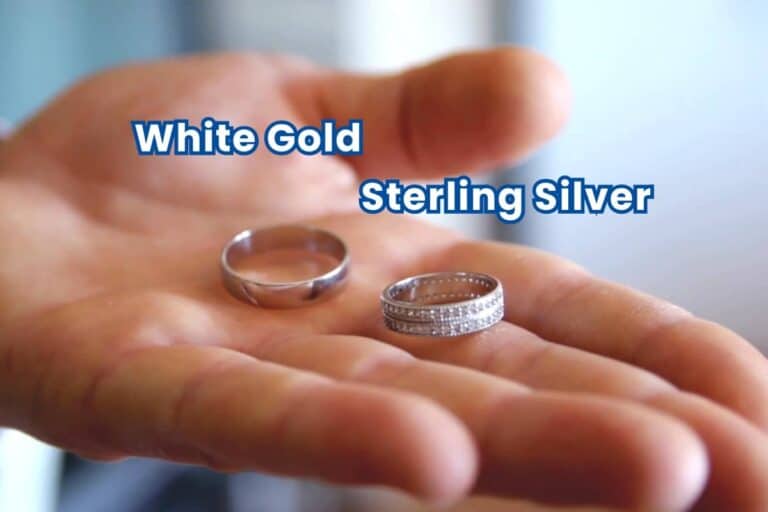
The world of jewelry has long captivated the hearts of many, leaving admirers to ponder over the subtleties of metal composition and the implications for both aesthetics and value. Among the myriad options available, “14K white gold over sterling silver” has become a popular choice, leading to an intriguing exploration of what this designation entails. Understanding this term not only unlocks the mystery surrounding these materials but also reveals the underlying allure that draws fashion enthusiasts to them.
Understanding 14K White Gold
At the core of the discussion is 14K white gold, an alloy formed predominantly from gold and other metals such as palladium, nickel, or silver. Specifically, a karat system indicates the purity of gold in the alloy, with 14K signifying that 58.3% of the composition is pure gold. The remaining 41.7% is made up of other metals, contributing to the newfound color and durability. The resulting metal is not only visually appealing but also offers greater strength compared to that of higher karat gold, making it incredibly suitable for daily wear.
White gold itself exhibits a silvery sheen that is often enhanced with a rhodium plating to achieve a bright, reflective finish. This lustrous appearance often attracts those looking for the elegance of platinum without the associated price tag, allowing for a versatile complement to various precious stones and designs.
The Role of Sterling Silver
Sterling silver is yet another contender, comprising 92.5% silver and 7.5% alloyed metals, typically copper. This combination provides sterling silver with notable strength and an attractive luster, making it a favorite choice among jewelers and artisans alike. The relatively inexpensive nature of sterling silver, combined with its seamless workability, allows for a wide array of intricate and artistic designs. However, much like white gold, sterling silver requires regular maintenance to preserve its brilliance, as it can tarnish when exposed to air and moisture.
The ‘Over’ Component: Layering vs. Solid Alloy
When one encounters the phrase “14K white gold over sterling silver,” it suggests a layered approach. This means that the jewelry piece features a thin layer of 14K white gold applied over a base of sterling silver. The method employed to bond these materials can vary—some manufacturers use electroplating, while others might favor a more robust method such as fusion. This distinction is essential because it indicates the durability of the outer layer and informs potential maintenance needs.
Why would a jeweler opt for this combination? The superior properties of both materials can provide a harmonious balance, yielding a piece that is rich in aesthetic appeal without being exorbitantly priced. This layered construction allows consumers to enjoy the look of luxurious white gold while retaining the affordability that sterling silver presents.
Factors Affecting Popularity
The fascination surrounding 14K white gold over sterling silver can be attributed to several factors. Firstly, the juxtaposition of two distinct yet complementary metals leads to unique designs that stand out in the ever-saturated jewelry market. Secondly, accessibility plays a crucial role. Not everyone can afford solid gold pieces, yet the allure of wearing gold remains enticing. This hybrid approach provides a viable solution to the economic challenges of purchasing fine jewelry.
Moreover, the layered construction makes it an advantageous option for consumers who wish to enjoy an array of designs without the heavy commitment that often comes with solid gold items. The ability to match these pieces with various gemstones amplifies the aesthetic possibilities, enabling individuals to express their unique tastes through their accessory choices.
Care and Maintenance
To preserve the beauty and longevity of 14K white gold over sterling silver, a thoughtful approach to care is paramount. Avoiding exposure to harsh chemicals found in cleaning products or perfumes will minimize the risk of damaging the outer layer of white gold. Regular gentle polishing with a soft cloth can help maintain the shine, while it is advisable to store the jewelry separately to avoid scratching. Additionally, periodic reapplication of rhodium plating may be necessary to uphold the lustrous finish over time.
Conclusion: A Captivating Fusion
In essence, the concept of “14K white gold over sterling silver” encapsulates a fascinating interplay between two distinct metals, culminating in a stunning representation of both elegance and accessibility. This fusion appeals to a diverse demographic, transcending traditional constraints associated with fine jewelry. As the allure of these materials continues to inspire creativity within the industry, the relationship between luxury and affordability remains a captivating subject for enthusiasts and everyday wearers alike.
Ultimately, understanding the intricacies of this terminology elevates one’s appreciation of jewelry craftsmanship. The deeper nuances behind these materials fuel a broader fascination, as each piece narrates a story of ingenuity and artistic vision, inviting admirers to explore without reservation.












