
When car enthusiasts speak of exhaust systems, a term that often surfaces is “straight pipe.” But what does a straight pipe mean? And more importantly, should you consider this modification for your own vehicle? As enticing as it sounds, the concept of straight piping is not without its challenges and considerations. So, buckle up as we explore the intricacies of straight pipe exhausts, their benefits, potential drawbacks, and everything in between.
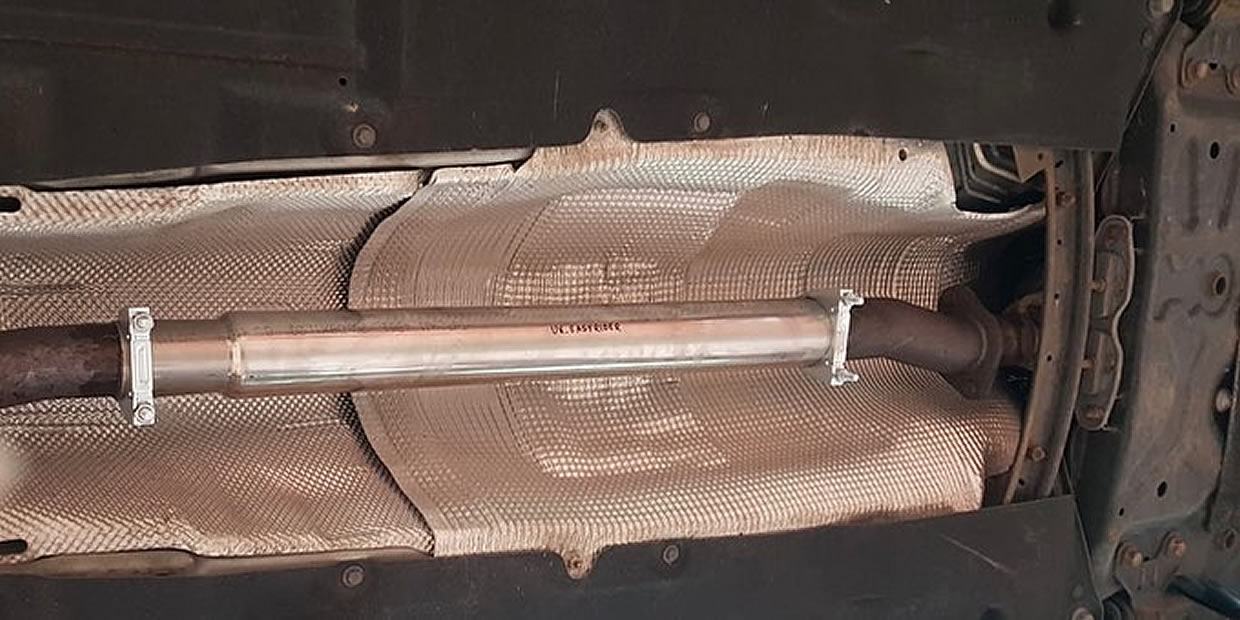
At its core, a straight pipe exhaust system refers to an uninterrupted section of piping that eliminates any restrictions, such as catalytic converters and mufflers. Instead of a complex configuration, a straight pipe provides a direct passage for exhaust gases to escape. The result? A brawny engine note and an invigorating performance boost. Yet, while this sounds exquisitely appealing, it is crucial to delve deeper into what this modification entails.
The Anatomy of a Straight Pipe Exhaust
A typical exhaust system consists of multiple parts: headers, catalytic converters, mufflers, and tailpipes. However, a straight pipe skips several of these components. Understanding the anatomy of this system is essential to grasp its implications fully. A straight pipe exhaust often consists of:
- Headers: The key parts that collect exhaust gases from the engine and channel them into the rest of the exhaust system.
- Pipe: A singular, smooth tube that allows gases to flow freely, minimizing resistance and turbulence.
- Exit: The termination point of the exhaust, often found at the rear of the vehicle, where gases are expelled into the atmosphere.
The removal of parts like catalytic converters not only creates a performance difference but also sets the tone for a unique acoustic signature that many performance enthusiasts crave. However, the auditory feedback is just one facet of this modification.
Performance Enhancements
One of the primary reasons drivers opt for a straight pipe exhaust is the promise of enhanced performance. By eliminating bottlenecks, the engine can breathe easier, which translates to improved horsepower and torque. Imagine your vehicle as a sprinter; would you want to tuck it into a restrictive outfit or let it roam free? The latter is what a straight pipe achieves.
This free-flowing nature leads to a number of benefits:
- Increased Horsepower: Without restrictive components, engines perform more efficiently, yielding higher power output.
- Improved Throttle Response: Drivers often notice immediate responsiveness when accelerating, as the engine expels gases more rapidly.
- Weight Reduction: Removing the stock exhaust can also eliminate excess weight, essential for racing applications.
However, potential challenges and legality issues are associated with such modifications.
Potential Drawbacks and Legal Challenges
While the allure of increased performance is strong, one must tread cautiously. A straight pipe comes with notable drawbacks that can render the experience less than ideal. These include:
- Noise Levels: Some may find the sound exhilarating, but for others, the volume can be obnoxious, especially on long drives.
- Legal Ramifications: Many jurisdictions have laws governing exhaust systems. Removing catalytic converters may result in hefty fines or difficulties in passing emissions tests.
- Drivability Issues: In some cases, straight pipes can cause issues with low-end torque and drivability, especially in naturally aspirated vehicles.
The challenge comes down to finding that balance between performance and legality. Are you prepared to face potential consequences or discomforts for the sake of a glorified roar?
Installation Considerations
Should you decide to embark on the journey of straight piping your vehicle, installation is a critical step where anticipation can quickly turn to apprehension. This modification usually requires:
- Technical Knowledge: It’s not just about bolting on parts; understand your vehicle’s exhaust layout and how to efficiently remove stock components.
- Tools: A complete toolbox including wrenches, sockets, and clamps specific to your vehicle’s make and model.
- Compliance Awareness: Verify local laws concerning emissions and sound levels.
For many car enthusiasts, the installation can become a rite of passage—an opportunity to bond with fellow gearheads while learning about their vehicle’s architecture.
Alternatives to Straight Pipe Exhausts
If the drawbacks of straight piping have you reconsidering, the good news is that there are numerous alternatives that provide modifications without the steep pitfalls. Consider:
- Cat-Back Exhaust Systems: These retain catalytic converters but improve flow through performance mufflers and piping.
- Resonator Delete: This option reduces noise while keeping catalytic converters intact, offering a balance between sound and performance.
- Performance Mufflers: Install these to maintain sound quality while enhancing flow.
Ultimately, the choice reflects personal preference, budget, and applicable laws relevant to your region. Will you be a loud and proud straight-pipe owner, or will you opt for a more nuanced approach? Only you can navigate the myriad roads of exhaust modifications.
Conclusion
In the world of automotive modification, few terms evoke as much curiosity and controversy as “straight pipe.” The idea of improving engine performance and unleashing a raucous roar is undeniably appealing. Yet, with great power comes great responsibility. As you contemplate whether to embark on this automotive adventure, weigh the pros and cons meticulously. Whether you choose to embrace a straight pipe exhaust or venture down an alternative path, ensuring your choice aligns with your values will lead to the most satisfying driving experience.












