
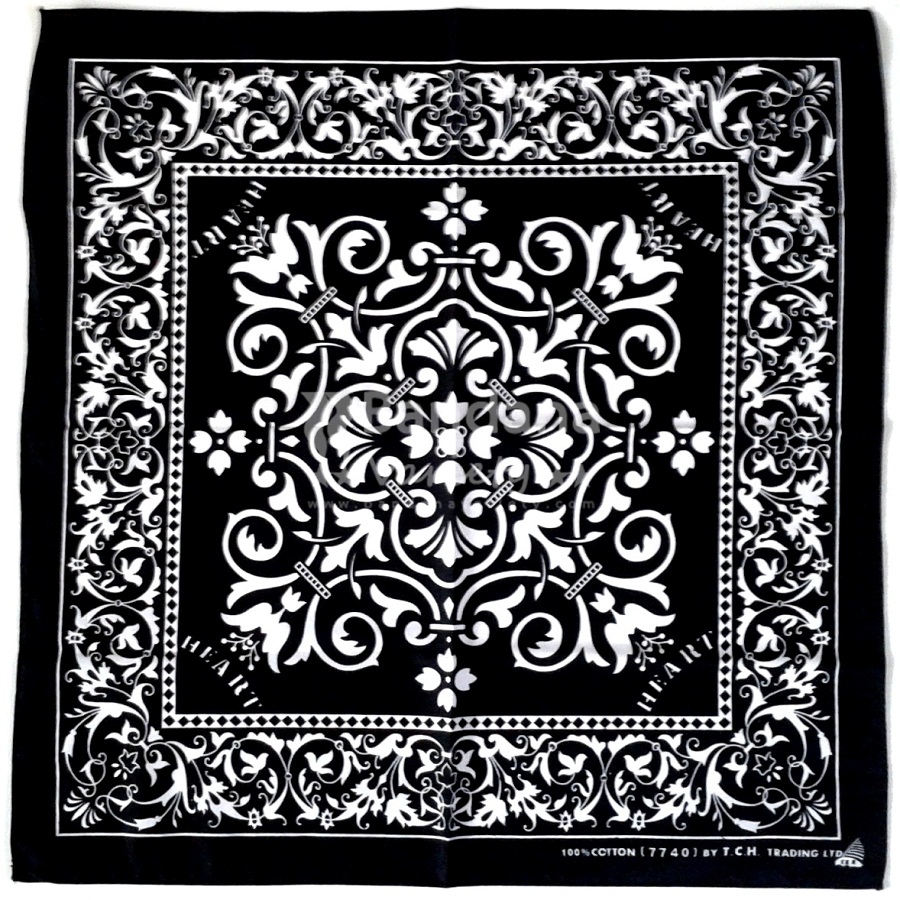
The white bandana, a seemingly simple piece of fabric, carries profound cultural significance and symbolism across various societies and contexts. To the untrained eye, it might appear as nothing more than a stylish accessory; however, upon deeper scrutiny, the meanings woven into its fibers reveal a tapestry rich with history, identity, and transformation.
At its core, the white bandana has served different purposes across cultures, reflecting both personal and communal narratives. Its origins can be traced back to various regions, where it emerged as a practical item, utilized not only as a fashion statement but also as a functional tool. It has transformed over the decades, symbolizing everything from rebellion and defiance to peace and unity.
Historical Context
The historical roots of the bandana can be woven into the fabric of numerous civilizations. In the 19th century, bandanas were primarily practical garments used by laborers, cowboys, and soldiers. The white variant, particularly, found its place not only as a means to protect from the elements but also as a signifier of allegiance and identity.
With the advent of social movements in the 1960s, the white bandana gained notoriety as a symbol of peace and solidarity. During a time marked by civil unrest and calls for justice, it became a visual rallying point for those advocating for equality and civil rights. A white bandana tied around the arm, or worn around the neck, spoke volumes—signifying a non-violent stance and a collective yearning for harmony.
Cultural Significance
As we delve into the cultural significance of the white bandana, we recognize its application in various social movements and symbolisms. In certain contexts, a white bandana represents surrender or a call for truce. This symbolism can be traced back to historical examples, including wartime practices where a white flag, often made from similar fabric, was used to indicate a desire for negotiation or cessation of hostilities.
Contemporary movements have kept this notion alive. For instance, the concept of tying a white bandana can encompass expressions of solidarity in various political protests. Whether it be in climate activism, women’s rights movements, or other social justice initiatives, participants often utilize white bandanas to convey their peaceful intentions. The act of wearing such a symbol embodies a promise—a promise for a better future shaped by collaboration rather than confrontation.
Fashion and Identity
Beyond its historical and cultural implications, the white bandana has carved a niche for itself in the realm of fashion. Designers and trendsetters have embraced this accessory, incorporating it into various outfits as a statement piece. The juxtaposition of its practical origins with modern aesthetics has birthed a unique blend of style and statement.
In numerous urban cultures, the white bandana has been redefined as a part of streetwear, embraced by musicians, artists, and influencers who convey messages of rebellion and individuality. Worn in various styles—be it tied around the head, neck, or wrist—it becomes a canvas for personal expression. The bandana transcends its mere fabric form, emerging as an emblem of the wearer’s beliefs and identity.
Moreover, the white bandana is often utilized in fashion shows and editorial spreads to evoke a sense of nostalgia. Here, it melds historical depth with trendy sensibilities, enabling designers to tap into a longing for a simpler, more peaceful time. It connects past and present, breathing new life into its age-old symbolism.
Regional Interpretations
As one traverses the globe, the interpretations of the white bandana vary significantly. In the American South, it may connote notions of Southern hospitality, often worn by individuals in a welcoming gesture. Conversely, in Western contexts, especially among subcultures, it can represent radical political affiliations or signify a rejection of societal norms.
Internationally, the nuances expand. For example, in India, the significance of a white bandana may intersect with the notions of purity and spirituality. Worn by individuals during religious practices, it becomes a symbol of respect and reverence. Each regional interpretation enriches the overarching narrative, establishing a kaleidoscope of meanings that evolve based on local traditions and values.
Modern Interpretations and Future Implications
As contemporary society continues evolving, the white bandana’s symbolism remains dynamic. It invites a shift in perspective, encouraging dialogue about societal issues and personal identities. Social media amplifies its reach, allowing individuals to use the bandana as a backdrop for their narratives—stories of resilience, hope, and transformation.
Furthermore, initiatives advocating for mental health awareness have adopted the white bandana in their campaigns. Its use as a symbol of solidarity and support resonates powerfully, as individuals wear it to show that they stand with those grappling with mental health challenges. This modern evolution demonstrates how the bandana transcends time, continually adapting to reflect the zeitgeist of collective consciousness.
Ultimately, the white bandana encapsulates a multitude of meanings intertwined with human experiences, identities, and expressions. It is not merely a piece of fabric; rather, it is an emblem of our collective journey—a journey laden with the threads of history, culture, and the fervent pursuit of understanding. As it adorns the heads and hearts of individuals worldwide, it reminds us of the powerful narratives we weave together in the vibrant tapestry of life.












