
In the world of social media, the nuances of communication can often feel overwhelming. As users navigate the labyrinth of notifications, posts, and direct messages, certain indicators serve as guides, illuminating user activity. One such indicator is the “Active Now” status on Instagram. But what exactly does this status signify? Is it merely a superficial badge of online presence, or does it wield greater implications for interpersonal dynamics on the platform? Let’s delve into the intricacies of this feature, exploring its functionality, significance, and its potential impact on user behavior.
Instagram introduced the “Active Now” feature to enhance connectivity among users, ostensibly fostering immediacy and engagement. When someone appears as “Active Now,” it indicates that they are currently using the app—alive and potentially available for interaction. This status allows followers and connections to know when a person is online, similar to other messaging platforms. As innocuous as it seems, this seemingly simple feature can evoke a multitude of emotions and scenarios.
Imagine this: you’re scrolling through your feed on a lazy Sunday afternoon when you spot a notification that a friend is “Active Now.” A playful curiosity bubbles up—should you send a quick message? Or perhaps a more contemplative reach out, inviting them to share in your digital spaces? Yet, how often have you hesitated, wary of disrupting their solitude or feeling the weight of unreciprocated engagement? This tension between reaching out and waiting can form a peculiar challenge in the online social fabric.
The “Active Now” status primarily appears in direct messages, situated just beneath the user’s profile picture. This real-time indicator can lead to a duality of expectations—friends may anticipate immediate responses, while the ‘active’ individual may not necessarily feel pressured to engage instantaneously. Herein lies a paradox: while the feature cultivates the allure of connectivity, it also cultivates a landscape rife with potential misunderstandings. Are they deliberately ignoring me? Should I expect a quick reply? Such questions can fuel anxieties surrounding social interactions on a platform designed for community.
Additionally, the visibility of one’s online status invites scrutiny, potentially imposing a subconscious obligation to remain engaged. This pressure can sometimes morph the experience into a performative endeavor rather than a genuine interaction. Individuals may adopt strategies to manage their appearance, toggling between ‘Active’ and ‘Inactive’ states to exert control over their social presence. The anxiety of being ‘on call’ can transform the pleasure of casual interaction into a chore of reputation management.
It’s essential to consider the broader implications of the “Active Now” feature within Instagram’s intricate social ecosystem. For instance, its existence raises questions about privacy and consent. Not every user is comfortable broadcasting their online status. Many value their time spent on platforms such as Instagram as personal space, which should remain shielded from the expectations of others. Consequently, understanding how to turn off this feature, or limit who can see it, allows users to reclaim a semblance of privacy in a world that often prioritizes visibility.
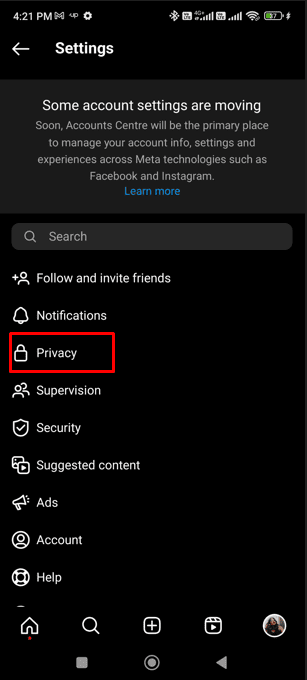
To navigate this tension, Instagram provides options to control the visibility of one’s active status. Users can toggle off the “Show Activity Status” feature in their settings, granting them autonomy over their engagement. This ability to curate one’s online persona reflects the broader ethos of social media: users should shape their narratives as they see fit. Empowerment lies in understanding these features and using them strategically—embracing moments of connectivity when desired, and cloaking oneself when feeling more introspective.
Further complicating matters is the feature’s integration with Instagram Stories, where the timing of posts may also influence the perception of the “Active Now” status. If a user posts a story while appearing “Active,” followers may mistakenly infer that they are readily available for conversation. The interplay between posted content and active status creates a tapestry of social cues that can be both enlightening and disorienting.
At its core, the “Active Now” status serves as a reflection of the evolving nature of communication on digital platforms. It encapsulates the blend of immediacy and expectation that characterizes modern interactions and creates an inherent challenge—balancing the desire for connection with the need for personal space. Thus, as you traverse through the social realm of Instagram, ponder this playful yet profound question: How does your engagement with the “Active Now” feature influence your perspective on connection and solitude? In navigating these waters, one may uncover valuable insights about oneself, their relationships, and the ever-evolving landscape of digital communication.
In summary, the “Active Now” feature on Instagram embodies a double-edged sword. While it enhances the potential for lively engagement, it simultaneously complicates perceptions regarding availability, privacy, and expectation. Understanding its implications and strategic use not only grants users better control over their online personas but also fosters healthier, more authentic interactions within the platform’s vibrant community. As we continue to immerse ourselves in the digital age, embracing the complexities of communication becomes essential to navigating social nuances with grace and intention.












